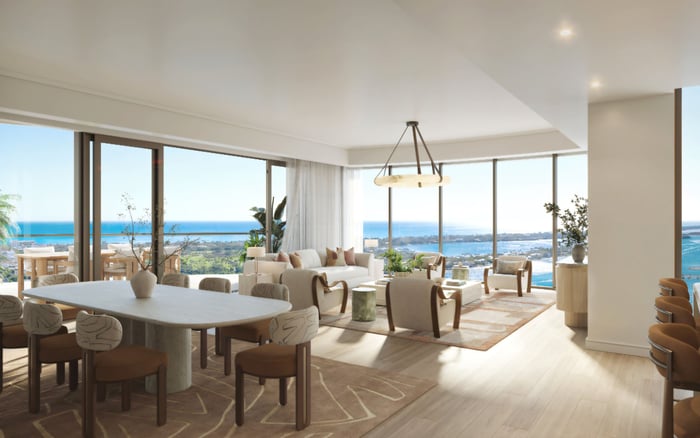
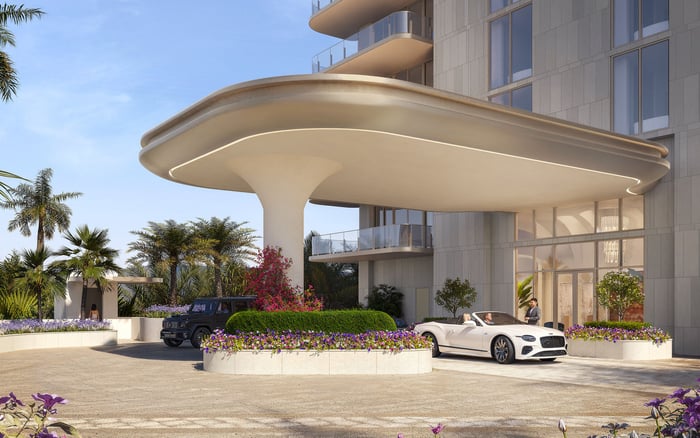
For buyers considering Mandarin Oriental Residences, West Palm Beach, storm resilience deserves the same scrutiny as design and service. Mechanical elevations, flood-protection details, emergency power and a documented return-to-building plan are essential due-diligence questions, not verified project features.
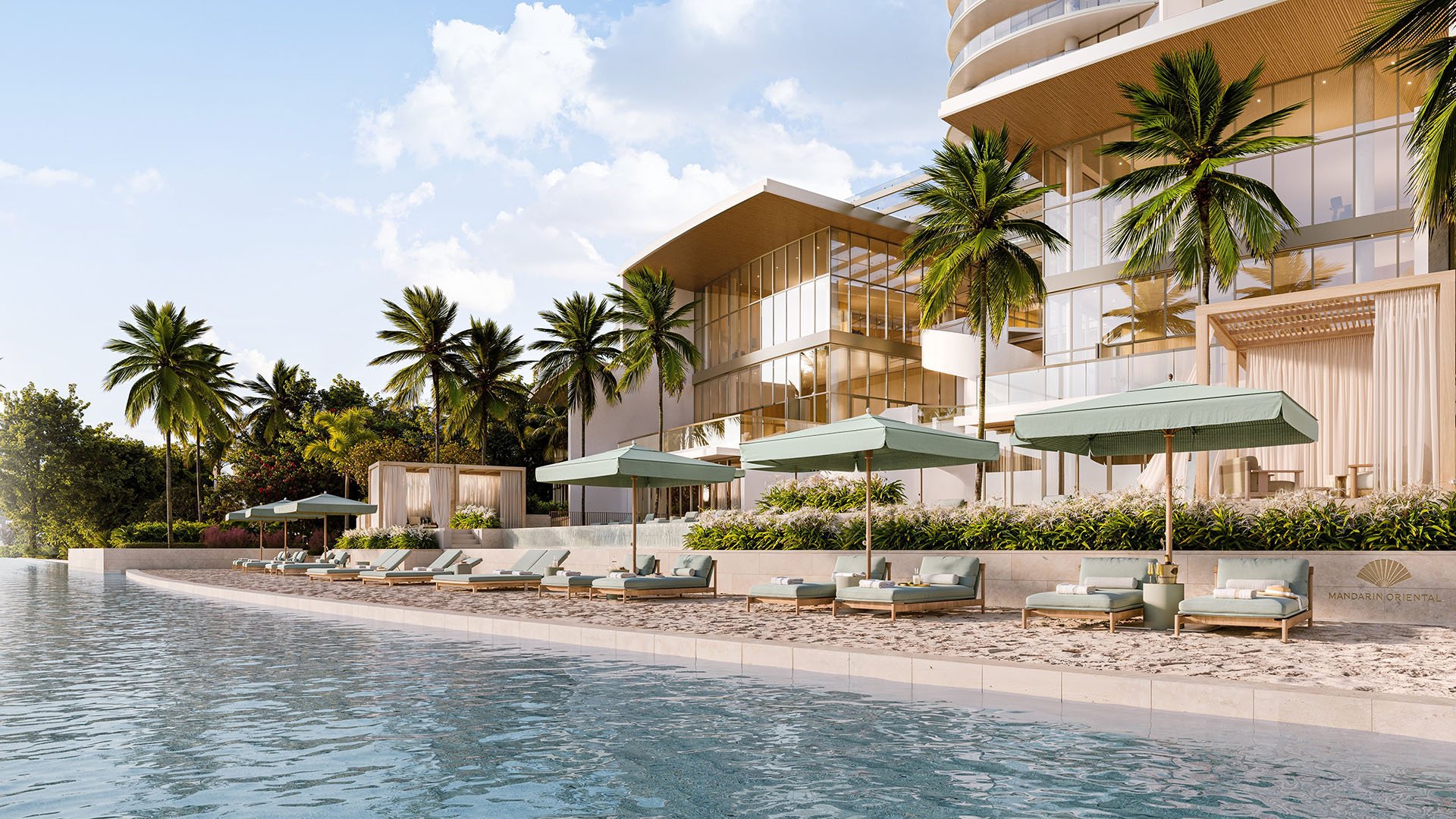
At Mandarin Oriental Residences, West Palm Beach, the appeal begins with a position directly on the Intracoastal Waterway and direct waterfront access. The advertised collection comprises 87 residences, with planned waterfront amenities including a promenade and marina facilities with private dockage. For buyers, that setting warrants a conversation beyond views and finishes: what happens before a storm, during an outage and when residents are permitted to return?
Storm resilience requires scrutiny of both physical protection and operating procedures. Buyers should treat the project's mechanical elevations, design flood elevation, flood-barrier specifications, generator capacity and adopted re-entry protocol as unverified until supported by project-specific documentation. Unverified does not mean absent. It means these protections cannot be assumed from the address, architecture or brand.
The distinction matters: permission to return to an area is not confirmation that a building is ready for occupancy. A high-floor residence does not override evacuation instructions, and an Intracoastal location alone does not establish a FEMA flood zone, base flood elevation or quantified storm-surge risk.
Begin with a coordinated explanation of the proposed flood-design criteria and essential equipment elevations. Ask the design team to identify the applicable design flood elevation, explain its reference datum and show how equipment locations relate to it. An elevation number alone does not explain the protection strategy.
Request drawings showing the proposed locations of electrical distribution equipment, generator equipment, fuel storage, elevator controls and water-service equipment. Ask which components are elevated, which rely on other protective measures and which remain subject to design development. These are diligence requests, not descriptions of confirmed systems at Mandarin Oriental.
For purchasers also considering Alba West Palm Beach, apply the same questions independently. The useful comparison is not which presentation sounds most reassuring, but which project clearly explains its proposed protections and supports them with current documents. Do not presume equivalent performance between the properties.
First, establish whether flood barriers are part of the proposed design. If they are, request their locations, specifications and intended protective limits. Ask which openings they protect and whether the strategy addresses entrances, service access and other low-level openings identified by the design team.
Then move from hardware to execution. Are the proposed barriers permanent, automatic or manually deployed? Who is responsible for deployment, where are removable components stored and what triggers installation? Ask how the team would complete deployment before conditions make work unsafe, and how deployment would affect building access and evacuation routes.
Request the proposed inspection, maintenance and practice schedule, along with confirmation of who will retain the records. A buyer should not have to translate a broad assurance of flood protection into an operating plan. Equally, missing specifications in a sales conversation should prompt a document request-not a conclusion that the building lacks protection.
A generator is only the starting point. Ask where the generator and fuel storage will sit, how both will be protected from flooding and what runtime is planned under the stated emergency load. Request a written distinction between essential building systems and any services proposed for individual residences.
Elevator coverage deserves a separate answer. Which elevators would receive emergency power, which floors would they serve and under what operating restrictions? Ask who authorizes shutdown and restart, and how residents will be notified when service is safe. Generator operation should never be interpreted as permission to use elevators during power fluctuations.
Buyers weighing Forté on Flagler West Palm Beach alongside Mandarin Oriental can use the same service checklist without assuming either project's capabilities. Brand positioning and design preferences belong in the purchase decision, but should remain separate from documented emergency-power coverage and restoration procedures.
Residents should return only when local officials advise that it is safe, regardless of how intact a building appears. Confirm the applicable re-entry instructions and identification requirements before returning. Plan to carry valid identification showing a current address or proof of residence, such as a deed or lease.
Jurisdiction matters. The Town of Palm Beach and the City of West Palm Beach are separate jurisdictions; do not assume a neighboring municipality's re-entry schedule applies to this project. Ask how management will coordinate any assessment access before residents return.
Separately, request the building's proposed return sequence: who first assesses conditions, who confirms utility and elevator status, how unsafe areas are restricted and how returning occupants are tracked. Ask how owners who are away will receive updates, including how authorized representatives receive access instructions. The central question is not merely when the doors reopen, but what residents will be told before entering.
An owner's departure plan should include clearing balcony furniture and plants, photographing the residence and shutting off the unit's water supply where the building configuration allows. Ask management how these responsibilities will be communicated and handled for owners who are away when a storm approaches.
For the planned promenade and marina facilities, ask whether access would be evaluated and reopened separately from residential areas. Private dockage is not an assurance that waterfront amenities will resume operation at the same time as the building. Request a clear method for communicating closures and access restrictions.
On return, avoid buildings surrounded by standing water. Damaged electrical, gas, water and sewage systems require attention before normal use resumes. Do not drink or prepare food with tap water until its safety is established. Management's updates should distinguish access permission, elevator availability, utility condition and water safety rather than compressing them into a single reopening message.
Before committing, request a consolidated package covering flood-design criteria, equipment elevations, any proposed barriers, emergency-power coverage and the proposed storm operating plan. Ask which materials are preliminary, which are approved and when outstanding operating procedures are expected to be finalized.
For this waterfront purchase, approach resilience as a documented sequence: preparation, protection, assessment and controlled return. Neither a reassuring brand nor an elevated residence substitutes for those answers.
For a discreet conversation about waterfront ownership and project-specific due diligence, connect with MILLION.
If branded residences are on your mind — as a home or as an allocation — we would be glad to share what we are seeing, privately.
Begin a quiet conversationThe upcoming residences are directly on the Intracoastal Waterway, with direct waterfront access.
The offering is advertised as a limited collection of 87 residences.
The specific mechanical elevations, design flood elevation and flood-barrier specifications remain unverified here. Buyers should request project-specific documentation rather than assume protections are present or absent.
No; waterfront location alone does not establish a FEMA flood-zone designation, base flood elevation or quantified storm-surge risk.
Ask about generator and fuel-storage locations, flood protection, planned runtime and the systems receiving emergency power. These are diligence questions, not confirmed project specifications.
Generator operation does not establish that elevators are safe to use during power fluctuations. Ask which elevators receive emergency power and who authorizes their restart.
No; the Town of Palm Beach is a separate jurisdiction from the City of West Palm Beach. Confirm the re-entry instructions applicable to this project's location.
Plan to carry valid identification showing a current address or proof of residence, such as a deed or lease, and confirm applicable requirements. Return only when local officials advise that it is safe.
No; residents also need confirmation of building conditions, elevator availability and utility status. Avoid buildings surrounded by standing water.
Clear balcony furniture and plants, photograph unit conditions and shut off the unit's water supply where the building configuration allows. Coordinate departure responsibilities with management, especially when away.