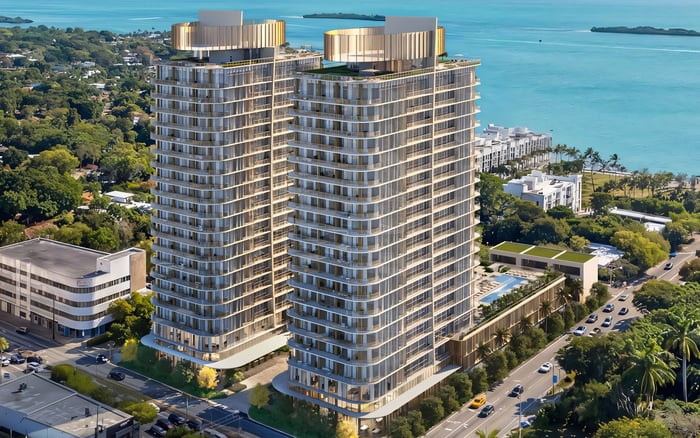
Before reserving a Wynwood condominium, review the transition to owner control, distinguish engineering documents, map warranty coverage, and establish who will complete and fund unfinished common areas.
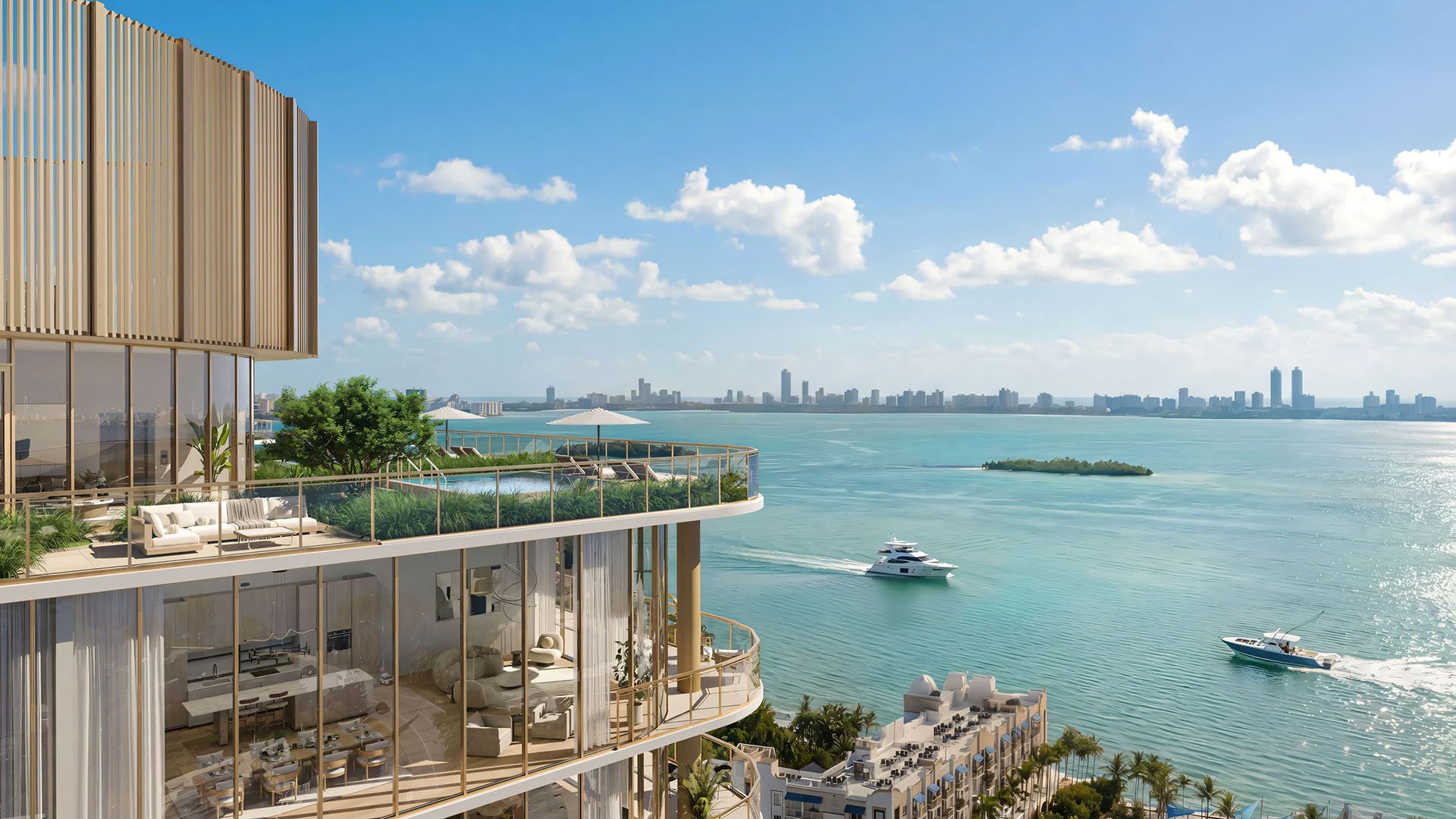
A luxury condominium purchase extends beyond the private interior. It includes a share of the building’s common assets, maintenance obligations, and association finances. Before reserving in Wynwood, the essential question is not simply what will be delivered, but who will control it, maintain it, and pay for anything left unresolved.
For buyers considering Frida Kahlo Wynwood Residences, these questions belong alongside design and lifestyle preferences. The same discipline applies when extending a search toward the Design District and Kempinski Residences Miami Design District. These are comparison references, not suggestions that either development has unfinished work, defects, or a particular turnover timetable.
Effective diligence establishes a clear sequence: documents to receive, professionals to consult, obligations to confirm, and contractual protections to negotiate before funds become nonrefundable.
Developer turnover transfers control of the condominium association to unit owners. It is a governance event, not another name for receiving the keys. Ask for the actual or projected turnover date, and clarify whether the reservation, closing, and transition to owner control occur at different stages.
Request a written inventory of the turnover documents, including the engineering report and financial audit. If a document is not yet complete, establish who is preparing it, when it is expected, and how you will receive it. An anticipated delivery date is no substitute for reviewing the finished document.
Florida’s 2023 condominium legislation established pre-turnover inspection-report and Structural Integrity Reserve Study requirements for qualifying buildings of three stories or more. Have condominium counsel confirm the requirements currently applicable to the particular building, including subsequent changes, exemptions, and timing. Do not treat historical legislation or earlier guidance as a universal statement of today’s deadlines.
Keep four categories separate: the turnover inspection report, the Structural Integrity Reserve Study, milestone inspection reports, and an independent property-condition assessment. Each serves a different purpose; they are not interchangeable approvals.
A Structural Integrity Reserve Study, or SIRS, uses a visual inspection to evaluate future major repair and replacement needs for specified common-area components. It is a reserve-planning document, not a blanket building-safety certification or an exhaustive investigation of concealed defects.
Ask who performed the visual inspection and verify the applicable qualifications: a licensed engineer, licensed architect, or appropriately certified reserve specialist or professional reserve analyst. Request the complete study rather than relying on a summary or a reassuring description.
Review roofs, structural and load-bearing systems, fire protection, plumbing, electrical systems, waterproofing and exterior painting, windows, and exterior doors. For each studied component, identify the remaining useful life, estimated replacement or deferred-maintenance cost, and recommended reserve-funding schedule. Ask a qualified professional to explain any assumptions or exclusions that materially affect the ownership budget.
Milestone inspections address a different question from reserve planning. Residential condominium buildings with at least three habitable stories generally enter the milestone framework at 30 years, with inspections every 10 years thereafter. Local conditions can support an earlier 25-year trigger.
Confirm the certificate-of-occupancy date and whether an earlier local requirement applies. Do not assume a milestone report is due merely because other engineering documents are required, or that one inspection substitutes for another.
Where a milestone inspection applies, request the Phase One report and any Phase Two report. Phase Two is required when the initial inspection identifies substantial structural deterioration. If deterioration has been identified, ask what additional testing, repair recommendations, and corrective work remain outstanding.
Request access to structural inspection reports and reserve studies in the association’s official records. Have counsel confirm which documents must be delivered to you and the applicable review procedures for your transaction.
An engineering finding becomes financially meaningful when read against the association’s accounts. Compare current assessments and projected budgets with the SIRS funding schedule. Ask whether the budget reflects the recommended annual reserve contribution and how any difference is addressed under the applicable rules.
Review the financial audit alongside the engineering documents. The aim is to establish whether identified obligations have a clear funding source, not merely whether the initial monthly assessment appears attractive.
A buyer comparing Wynwood with Edgewater options such as Aria Reserve Miami can use the same component-by-component review. Keep each property’s documents separate rather than assuming comparable presentation means comparable obligations.
For any proposed repair or unfinished item, ask for the estimated cost, responsible payer, and funding arrangement. If the answer depends on a future decision, treat that uncertainty as part of the purchase analysis-not a settled expense.
Florida law provides implied developer warranties concerning fitness and merchantability for specified construction, materials, equipment, and improvements. Contractors, subcontractors, and suppliers also provide statutory implied warranties, including three years from completion for roofs, structural components, and specified mechanical and plumbing elements.
That does not place every component under one universal three-year warranty. Ask counsel to identify the responsible party, covered component, commencement date, applicable period, and claim deadline for each category.
Request express warranties as well, together with exclusions, notice procedures, assignment documents, and any steps required to preserve coverage. Ask whether construction-defect claims have been asserted or are under evaluation, and whether engineering findings remain unresolved. Developers can face post-turnover liability for defects; turnover should not be mistaken for the end of accountability.
Keep written warranty promises separate from assumptions about statutory protection. A useful warranty review explains both the protection available and the actions an owner or association must take to use it.
Request a written schedule identifying every unfinished common-area item, the responsible party, completion deadline, permit status, estimated cost, and funding source. Distinguish incomplete construction from defects and deferred maintenance. An independent building professional’s property-condition assessment can help document those different exposures before the association inherits them.
Whether comparing a Wynwood reservation with 2200 Brickell in Brickell or remaining focused on one neighborhood, ask the same contract questions: does incomplete amenity work permit cancellation, delayed closing, or a credit? Will document review occur before the reservation deposit becomes nonrefundable?
These are protections to negotiate and confirm, not automatic rights to assume. Have counsel reconcile the reservation terms, purchase agreement, completion commitments, and warranty provisions. Reserve with a clear understanding of what is promised, what remains open, and who bears each obligation.
For a discreet perspective on South Florida residences and the questions that shape a considered purchase, explore MILLION.
If branded residences are on your mind — as a home or as an allocation — we would be glad to share what we are seeing, privately.
Begin a quiet conversationTurnover transfers association control from the developer to unit owners and triggers delivery of important engineering and financial records. It is distinct from an individual buyer’s closing.
Request the applicable turnover inspection report, SIRS, financial audit, and any milestone inspection reports. Also ask for warranty documents and a written schedule of unfinished common-area work.
No. A SIRS uses visual inspection to support reserve planning for specified components, rather than comprehensively investigating every concealed defect.
The applicable framework calls for a licensed engineer, licensed architect, or appropriately certified reserve specialist or professional reserve analyst. Verify the inspector’s qualifications and the requirements applicable to the building.
Review each studied component’s remaining useful life, estimated replacement or deferred-maintenance cost, and recommended funding schedule. Compare those recommendations with current assessments and projected budgets.
Residential condominium buildings with at least three habitable stories generally require inspection at 30 years and every 10 years thereafter, with a possible local 25-year trigger. Confirm the certificate-of-occupancy date and applicable requirements.
Request it whenever Phase One identified substantial structural deterioration requiring Phase Two. Ask what further testing and repairs remain outstanding.
No. Statutory warranty periods and start dates differ by component and responsible party, so counsel should map the coverage and deadlines individually.
It should identify each item, responsible party, completion deadline, permit status, estimated cost, and funding source. An independent building professional can help distinguish unfinished work from defects or deferred maintenance.
Do not assume that they can. Cancellation, delayed closing, credits, and document-review protections should be negotiated and confirmed in the applicable agreements.