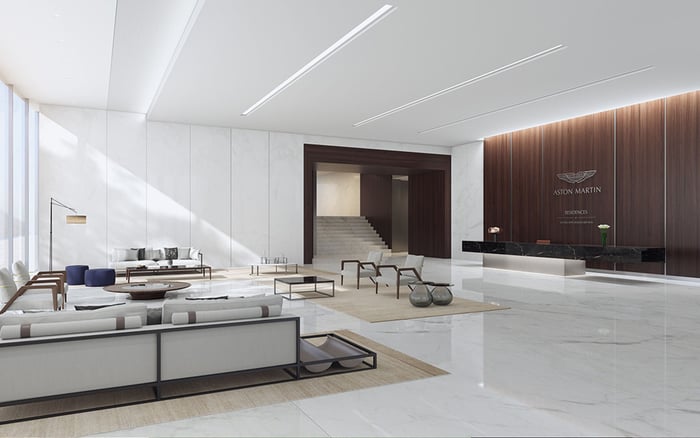
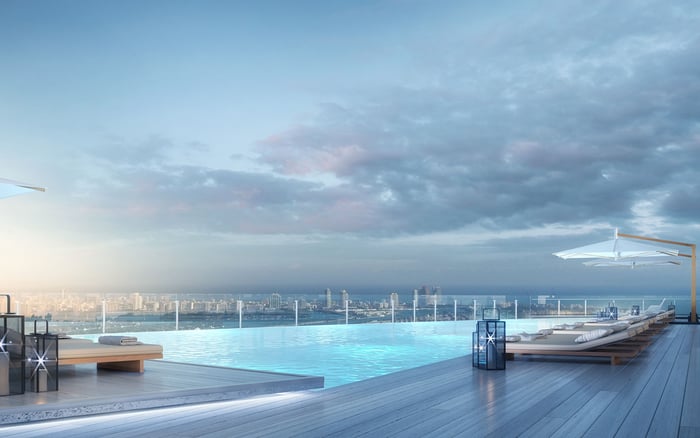
A terrace should be evaluated as carefully as the interiors. Before purchasing at Waldorf Astoria Residences Downtown Miami, clarify the exact outdoor layout, drainage responsibilities, furnishing permissions, and storm-preparation obligations in writing.
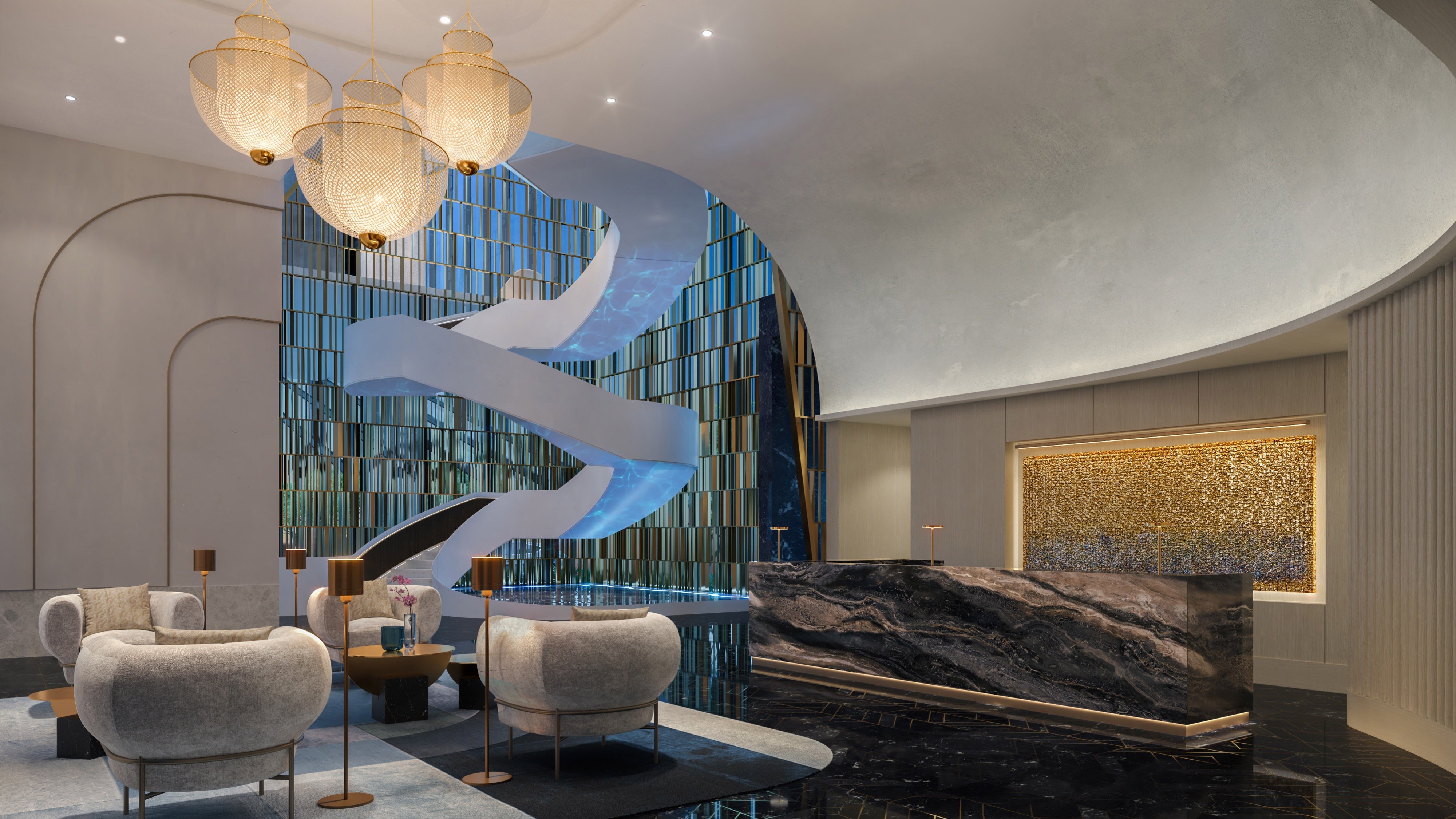
At Waldorf Astoria Residences Downtown Miami, a purchase decision should distinguish the appeal of outdoor living from the precise space, equipment, and obligations attached to an individual residence.
Begin by confirming whether the residence includes a terrace, a balcony, or another outdoor configuration. Verify any kitchen or enclosure shown in purchase materials against the residence-specific plans and specifications rather than assuming that a general description applies to every unit.
The central question is not simply whether a terrace exists, but whether its documented layout and operating rules support the way you intend to live: breakfast outdoors, planted seating areas, entertaining, or extended periods away. Resolve that question before commissioning furniture or assigning substantial value to outdoor square footage.
Request a dimensioned outdoor plan for the exact residence, including enclosure details, door openings, any kitchen placement, and areas that must remain unobstructed. Ask the sales team to reconcile any references to terraces, Juliet balconies, and French balconies with that plan, rather than treating the terms as interchangeable.
If the plans specify impact-resistant glazing or terrace enclosure panels, ask for their specifications and intended function. Do not treat those features as confirmation of unrestricted outdoor use or permission to leave loose objects outside during a storm.
For buyers also considering Aston Martin Residences Downtown Miami, apply the same unit-by-unit review. Compare documented usable space and permissions rather than assuming that two Downtown Miami residences offer equivalent outdoor experiences.
Request documentation of drain locations, drainage capacity, overflow arrangements, and maintenance obligations. Treat each as a separate diligence item requiring a drawing or written explanation-not a general assurance that the building addresses rainfall.
Ask for the drainage plan showing primary drains, any overflow provisions, floor slopes, and the relationship between terrace surfaces and interior thresholds. Request available waterproofing details and the design criteria for heavy and wind-driven rain. Have an appropriate technical adviser review how those details apply to your residence.
Responsibility deserves equal attention. Who inspects and clears the drains? Who may remove a cover or access concealed components? Who repairs waterproofing, authorizes work, and pays if water affects another residence? Ask counsel to identify the relevant provisions in the declaration and related documents rather than assuming that either the owner or the association carries every obligation.
Clarify everyday cleaning as well. Ask whether hosing or power-washing is permitted, how cleaning-water runoff must be managed, and whether maintenance personnel need approval. The answer should distinguish routine owner care from work that requires building coordination.
A beautifully composed terrace begins with a permitted furniture plan. Request written guidance on furniture dimensions and weight, planters, rugs, visible storage, colors, and clearances around drains. These are questions to resolve, not confirmed restrictions at Waldorf Astoria.
Submit a proposed layout with product dimensions and weights for review. For planting, ask whether the review should account for containers, soil, and water rather than the empty planter alone. Ask whether freestanding pieces, attachment methods, or placement near glazing require additional approval.
Anchoring deserves its own written response. Do not interpret a requirement to secure furnishings as permission to drill into a terrace surface, wall, or enclosure. Ask which methods, if any, are approved and whether an installer must submit details before proceeding.
Finally, assess where you would store anything that must be brought indoors. Before choosing a substantial dining table or oversized lounge seating, ask whether storm procedures would require bringing it inside and whether the proposed pieces can pass through the residence’s doors.
If your residence’s specifications include a summer kitchen, do not treat that inclusion as permission to add cooking appliances. Obtain the exact equipment schedule and verify what is included in the purchase, what remains optional, and which approvals govern changes.
Ask specifically about permitted appliances and fuels, electrical requirements, replacement equipment, and any restrictions on portable cooking devices. Assume neither a blanket grill ban nor unrestricted cooking permission.
Extend that review to screens, awnings, shutters, privacy panels, and built-ins. Request the applicable approval procedure, including any architectural or brand review. A feature’s visual compatibility with the residence is no substitute for written authorization.
Do not infer an owner storm-securement protocol from terrace or glazing specifications. Ask for any current hurricane procedures and a written checklist identifying what must come indoors, what may be secured outside, and which securing methods are acceptable.
Timing matters as much as technique. What event triggers preparation? Who communicates the instruction, what deadline applies, and are there consequences for failing to comply? Ask whether management checks completed preparation and whether owners must provide confirmation.
If you travel frequently, establish access and service arrangements in advance. Can authorized staff or a designated representative prepare the residence? Are services available, how are charges determined, and what happens if you cannot be reached? Do not assume these services are included.
Also ask who conducts post-storm inspections, checks drainage, documents any damage, and authorizes remedial work. A complete plan should identify responsibilities before, during, and after an absence rather than rely on an informal promise of assistance.
If your search extends to Brickell and Cipriani Residences Brickell, carry the same questions into that review. Brand recognition is no substitute for residence-specific permissions, maintenance allocations, or preparation procedures. Do not transfer an answer from one property to another.
Before committing, request the current or proposed declaration, amendments, rules, terrace guidelines, available engineering information, hurricane procedures, and any applicable brand standards. Ask your advisers to reconcile those documents with the purchase materials and identify which specifications remain subject to change.
The goal is not to diminish the pleasure of outdoor living, but to make it practical: a terrace whose layout suits your routine, whose furnishings are permitted, and whose care is clearly assigned even when you are elsewhere.
For a considered approach to South Florida’s finest residences, explore MILLION.
If branded residences are on your mind — as a home or as an allocation — we would be glad to share what we are seeing, privately.
Begin a quiet conversationDo not assume a uniform outdoor layout across residences. Verify whether your specific unit includes a terrace, balcony, or another configuration using its plans and specifications.
Inclusion is not confirmed here. Request the residence-specific equipment schedule and purchase specifications before relying on a general description.
Request drainage drawings showing drain locations, capacity, and any overflow arrangements. Ask an appropriate technical adviser to review the available design criteria.
Responsibility must be verified in the governing documents. Ask counsel to review inspection, cleaning, repair, and payment obligations.
That permission is not established here. Ask for written cleaning guidance, including runoff requirements and any approval needed for maintenance personnel.
No specific limits are confirmed here. Request current written furnishing guidelines before ordering furniture, rugs, or planters.
An included summer kitchen would not by itself establish permission to add appliances. Confirm permitted equipment, fuels, and approval requirements in writing.
Do not infer permission to leave furnishings outdoors from glazing specifications. Obtain the applicable removal and securement instructions for the residence.
Do not assume that service is available or included. Clarify staff access, authorization, charges, and responsibility for post-storm inspections.
Request the current or proposed declaration, amendments, rules, terrace guidelines, available engineering information, hurricane procedures, and any applicable brand standards. Review them alongside the residence-specific plans and purchase materials.