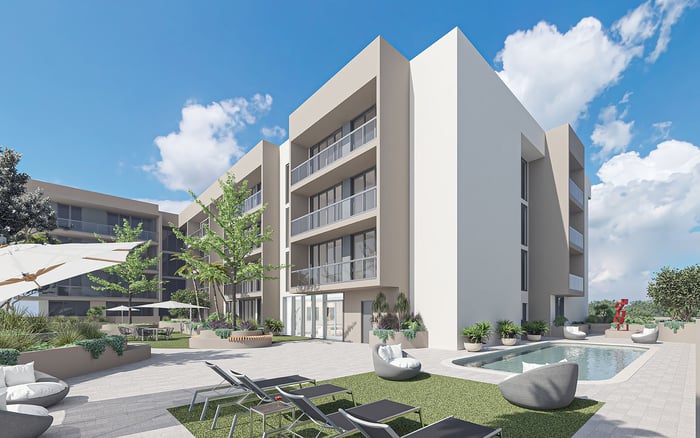
At The Well Coconut Grove, buying early can improve residence selection and potentially preserve initial pricing, but it also extends exposure to delivery, financing, market, and lifestyle uncertainty. The strongest decision rests on the quality of the selected residence and the buyer’s capacity to absorb change before closing.

At The Well Coconut Grove, timing is not simply a matter of buying early or waiting for greater certainty. It is a decision about which risks a buyer is prepared to accept in exchange for choice, potential price positioning, and access to a wellness-oriented residential concept in Coconut Grove.
During a pre-construction sales cycle, an early buyer may encounter a broader selection of residence lines, layouts, views, and floor levels. That breadth can be meaningful in the luxury market, where a superior position within the building may matter more over time than a nominal difference in purchase price. Early commitment can also secure initial pricing before possible developer increases, although neither an increase nor appreciation is guaranteed.
The essential question, therefore, is not whether buying early is universally better. It is whether the particular residence secured early is likely to remain compelling once later inventory, competing projects, and completed conditions can be assessed more clearly.
The clearest advantage is selection. Buyers with precise requirements may place a premium on securing the right orientation, floor, layout, or view rather than choosing from what remains closer to completion. For a primary residence or long-term second home, those attributes directly shape the daily experience and future desirability.
An early contract may also preserve pricing available at that stage of sales. If prices subsequently rise, the buyer could benefit from committing sooner. Yet this should be regarded as potential value, not an automatic discount. The economic result depends on the residence itself, the project’s execution, market conditions at delivery, and the appeal of inventory introduced later.
This distinction becomes clearer when comparing nearby options. A buyer considering Four Seasons Residences Coconut Grove or The Lincoln Coconut Grove should compare the residences actually available, not simply their launch timing. The most persuasive early purchase secures a difficult-to-replicate home while remaining financially comfortable under less favorable scenarios.
Waiting can exchange optionality for information. As a project advances, buyers may gain greater clarity on construction timing, final finishes, amenity execution, and the relationship between marketing materials and delivered conditions. That clarity can be worth more than theoretical early pricing, particularly for purchasers who prioritize certainty.
A later decision also shortens the period during which personal and financial circumstances can change. Family size, work patterns, residency plans, or intended use may evolve before delivery. A residence selected for one lifestyle can become less suitable as the buyer’s needs shift.
The same logic applies to the surrounding market. Luxury condominium prices, buyer demand, and competing inventory may look different by completion. Alternatives such as Ziggurat Coconut Grove can form part of a broader neighborhood comparison, with each available residence evaluated on its own terms. Waiting may reduce uncertainty, but it can also mean accepting a narrower selection or different pricing.
A longer period between contract and closing increases exposure in four areas. First is project risk, including construction timing, finishes, amenities, and possible differences between presentation materials and completed conditions. Second is market risk, as demand, pricing, and competing supply can change.
Third is financing risk. Interest rates, lender requirements, appraised value, and personal liquidity may differ at closing from what a buyer anticipated when signing. Even purchasers planning to pay cash should consider whether the deposit schedule and final closing obligation preserve sufficient flexibility.
Fourth is personal risk. A buyer’s family, business interests, tax planning, or intended occupancy can evolve. Early commitment is most defensible when the purchase remains workable across several plausible futures rather than depending on one precise financial or personal outcome.
The wellness positioning of The Well Coconut Grove is central to its lifestyle proposition. Buyers should assess that concept as both a personal benefit and an operating commitment. Amenities and services can enrich ownership, but they may also contribute to association fees and ongoing costs.
The appropriate question is not whether wellness holds abstract appeal. It is whether the buyer expects to use and value the offering enough to justify its share of continuing expenses. This is especially relevant for a second-home owner whose usage pattern may differ from that of a full-time resident.
For investment analysis, begin with residence quality. Compare the selected line, layout, floor, and view with current and potential alternatives. Then test affordability against changes in rates, appraisal, liquidity, and timing. Finally, determine whether the home still works if plans for occupancy or resale change.
Contract review is equally important. Buyers should examine final offering documents, the deposit schedule, cancellation rights, completion provisions, and negotiated terms with qualified advisers. Early-sales pricing should never substitute for a clear understanding of the legal and financial commitment.
Readers consulting buyer’s guides should treat timing as one variable within a larger decision. The preferred entry point is the moment when residence quality, contractual protection, and financial resilience align. For some buyers, that will be early in the sales cycle. For others, paying for greater certainty may be the more sophisticated choice.
What is the principal advantage of buying early at The Well Coconut Grove? Early commitment may provide a broader choice of residence lines, layouts, views, and floor levels.
Does early pricing guarantee a lower final cost? No. A buyer may secure initial pricing, but future developer increases are not guaranteed.
Can an early purchase guarantee appreciation? No. Value will depend on the selected residence, project execution, market conditions, and competing inventory.
What project risks should a buyer consider? Construction timing, final finishes, amenity delivery, and differences between marketing materials and completed conditions all merit review.
How can financing change before closing? Interest rates, lender standards, appraised values, and the buyer’s liquidity may shift during the pre-construction period.
Why does lifestyle planning matter? Family size, work arrangements, and intended use can change, potentially making a previously selected residence less suitable.
How should buyers evaluate the wellness concept? They should weigh its personal benefits against potential operating costs reflected in association fees.
Which documents deserve particular attention? Review the final offering documents, deposit schedule, cancellation rights, completion provisions, and negotiated contract terms.
Is waiting until completion always safer? Waiting can provide more information and shorten exposure, but it may reduce residence selection or involve different pricing.
What makes an early commitment most defensible? A desirable residence, durable personal fit, manageable obligations, and financial resilience together create the strongest case.
When you're ready to tour or underwrite the options, connect with MILLION.
If branded residences are on your mind — as a home or as an allocation — we would be glad to share what we are seeing, privately.
Begin a quiet conversation