Arbor Coconut Grove’s 2026 completion milestones shift the buyer’s focus from projected delivery to residence-specific closing and possession. Here is how to coordinate that distinction with a lease exit, school calendar, or professionally advised domicile plan.
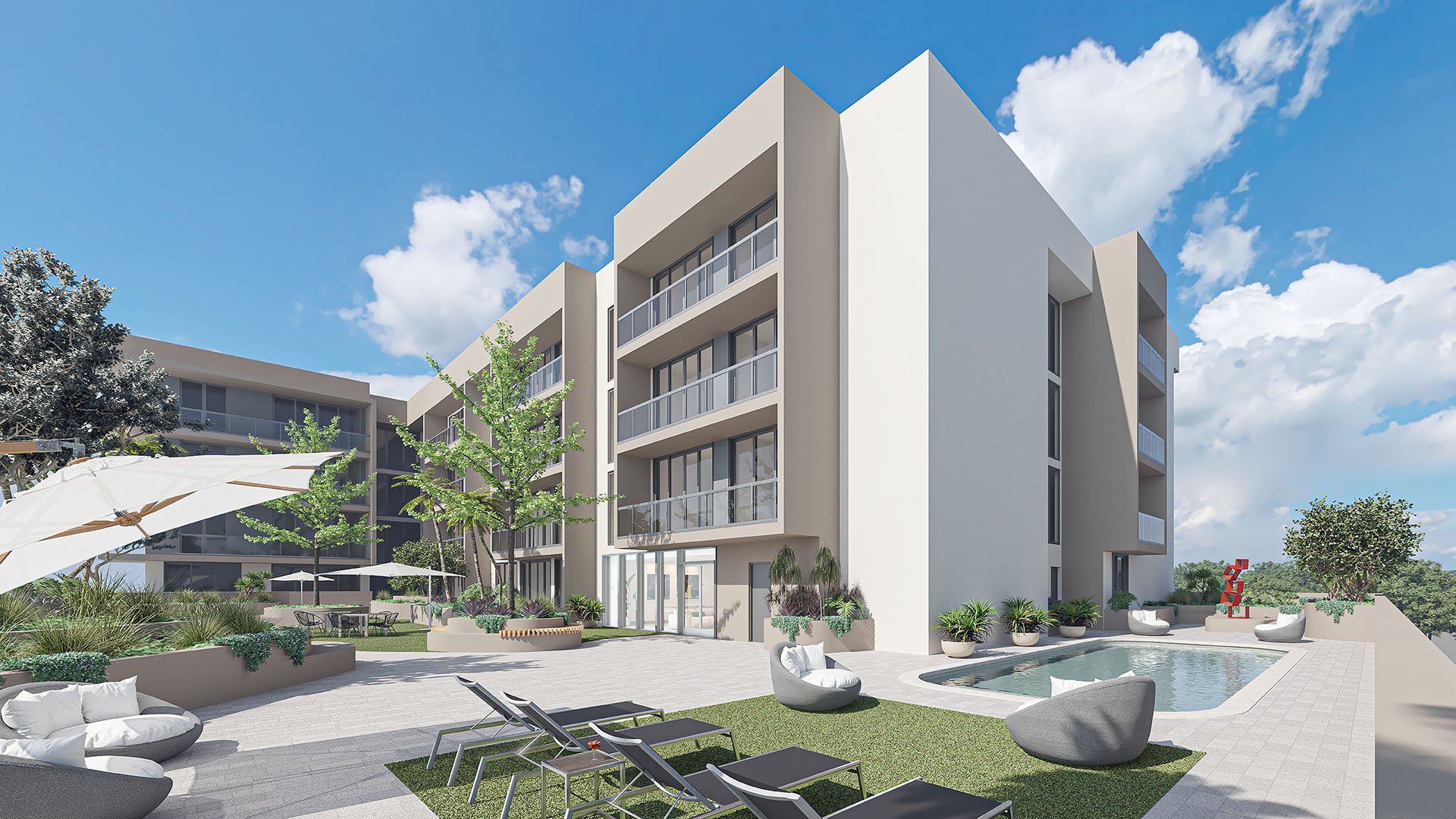
For a buyer coordinating a household move, the most consequential feature of Arbor Coconut Grove may be its transition from a project under construction to a completed building. Architecture and location remain important, but neither determines when a family can leave a rental, receive furniture, or begin living at a new address.
Arbor’s 2026 completion milestones change the questions worth asking. Rather than organizing a relocation around an anticipated delivery quarter, a buyer can now investigate a particular residence’s readiness, closing terms, and conditions governing possession. Completion changes the planning framework; it does not replace due diligence.
For households balancing a school calendar or a domicile strategy, that distinction is especially valuable. The relevant date is not when the building celebrated its opening, but when the buyer can legally and practically occupy the selected home.
Also called Arbor Residences, the condominium occupies 3034 Oak Avenue, approximately one block behind CocoWalk. Its 45 residences across five stories offer a low-rise alternative to larger condominium towers, with central Coconut Grove’s dining, retail, and entertainment nearby.
Architecture is by Behar Font & Partners, with interiors by Samuel Amoia. Amenities include a pool and fitness facilities. For a relocating household, the practical appeal lies in the combination of a smaller residential setting and a central neighborhood location-not scale alone.
A buyer also considering Four Seasons Residences Coconut Grove should separate aesthetic preferences from scheduling requirements. Apply the same questions to each candidate: what can be inspected, which documents establish occupancy readiness, and what possession date can the contract support? Do not assume equivalent delivery status across a neighborhood shortlist.
Arbor broke ground in November 2017. Earlier delivery projections pointed to Q3 2024, followed by Q4 2025. Those differing projections illustrate why an old delivery date should never become a household’s relocation calendar.
In March 2026, Arbor received a Temporary Certificate of Occupancy, or TCO. First move-ins were scheduled for early spring 2026. A completion milestone is dated March 30, 2026, and by May 27, the newly completed project had celebrated its official grand opening.
These events are related, but not interchangeable. A projected delivery date is an expectation. A TCO is an occupancy milestone whose temporary status matters. A scheduled first move-in does not establish that every residence was occupied, and a grand opening does not confirm that a particular buyer can receive keys immediately.
Before committing to a move, obtain the applicable occupancy documentation and have counsel assess its scope and conditions. Establish whether final certificate-of-occupancy status has been achieved, whether any conditions affect the selected residence, and what remains outstanding. The building-level timeline cannot answer those unit-specific questions.
The spring 2026 milestones could have supported planning for a summer move before the 2026-27 school year. That was a logistical possibility, not evidence of enrollment eligibility, admission, or available seats. By September 2026, that summer window is past; buyers acting now need a plan tied to their intended entry date.
Begin the school decision independently of the property contract. Ask the relevant school or district to confirm address-specific assignment, application or enrollment timing, required residency documents, and any availability constraints. For private education, confirm admissions status directly rather than assuming a neighborhood purchase guarantees entry.
Then work backward from the confirmed educational timetable. Allow time for closing, possession, furnishing, and the household to settle in. If the dates do not align, evaluate temporary accommodation or a later move without assuming either resolves school eligibility.
The most useful contingency is one established before a lease is terminated. A family should understand its fallback housing arrangements and school options before making an irreversible commitment based on a seller’s target date.
A completed residence can give advisers a more concrete occupancy timeline to evaluate. It does not, by itself, establish tax domicile or eligibility for a particular exemption. Purchasing, closing, and physically occupying a home are distinct events; assessing their significance requires individualized advice.
Before fixing a closing date around a residency objective, ask legal and tax advisers to identify the applicable requirements, supporting records, and timing considerations. Give them the proposed purchase contract and a realistic possession schedule, not merely a building completion announcement.
The same discipline applies if Opus Coconut Grove enters the search. Compare homes on their merits, but have advisers assess each transaction’s actual dates separately. Neighborhood appeal cannot substitute for a defensible personal residency plan.
Do not assume that a 2026 purchase produces automatic 2027 eligibility for any tax benefit. A prudent housing decision should remain workable even if the legal or tax timetable differs from the preferred moving date.
Completion shifts the focus of due diligence, but meaningful questions remain. Arrange an inspection of the selected residence, document outstanding work, and establish who is responsible for corrections and when they will be completed. Confirm the closing requirements and when possession follows closing under the actual contract.
Review condominium documents, association finances, insurance, and reserves with appropriate advisers. Request current information about ongoing work and building operations. Completion calls for more specific investigation-not a blanket conclusion that construction-related concerns have disappeared.
Commercial terms also require a fresh look. The historical price range was $1.2 million-$2.5 million, but that is not a verified current offering. As of May 15, 2026, 13 residences remained; that count should not be treated as present availability.
Request current residence-specific pricing and availability in writing. Review deposits, payment timing, contingencies, and remedies rather than assuming finished inventory automatically carries different contract terms from preconstruction sales.
Arbor’s amenity offering includes pool and fitness facilities, but buyers should confirm their operating status and any restrictions. The same practical review should cover move-in scheduling, delivery arrangements, and the access needed to prepare the residence for daily life.
Lifestyle planning becomes more useful as a sequence: confirm the home, review the documents, establish closing and possession, then coordinate the household calendar. Preserve flexibility wherever another party controls an essential date.
Arbor’s completion makes a residence-specific conversation possible. The strongest purchase strategy turns that opportunity into a documented plan without confusing a finished building with a guaranteed personal timetable.
For a discreet assessment of Arbor and your Coconut Grove relocation priorities, connect with MILLION.
If branded residences are on your mind — as a home or as an allocation — we would be glad to share what we are seeing, privately.
Begin a quiet conversationArbor Coconut Grove, also called Arbor Residences, is at 3034 Oak Avenue in Coconut Grove, Miami, approximately one block behind CocoWalk.
The boutique condominium contains 45 residences across five stories. Its scale offers a low-rise alternative to larger condominium towers.
Arbor received a Temporary Certificate of Occupancy in March 2026, with a completion milestone dated March 30. By May 27, 2026, the newly completed project had celebrated its official grand opening.
No. Buyers should review the temporary certificate’s scope and conditions, confirm final certificate-of-occupancy status, and establish readiness for their particular residence.
Earlier marketing anticipated Q3 2024 and later Q4 2025 delivery. Relocation decisions should instead rely on current documentation and the selected residence’s closing and possession terms.
The spring 2026 milestones could have supported summer relocation planning before the 2026–27 school year, but did not establish enrollment eligibility or seat availability. Buyers now need to confirm their intended entry date directly with the school or district.
A purchase or occupancy date should not be treated as automatic proof of tax domicile or exemption eligibility. Legal and tax advisers should assess the buyer’s individual circumstances and applicable requirements.
The advertised $1.2 million–$2.5 million range and the 13 residences remaining on May 15, 2026 are historical snapshots, not verified current offerings. Request current residence-specific pricing, availability, and contract terms.
Review occupancy documentation, inspections, outstanding work, condominium documents, association finances, insurance, and reserves. Confirm contractual closing requirements, deposit terms, and the timing of possession.
Arbor’s marketed amenities include a pool and fitness facilities. Buyers should confirm current operating status and any access restrictions before incorporating them into their move-in expectations.