At Palazzo del Sol, acoustic diligence should move beyond the advertised STC 55 specification to examine the individual residence, nearby mechanical equipment, flooring approvals, and the association’s current enforcement procedures.
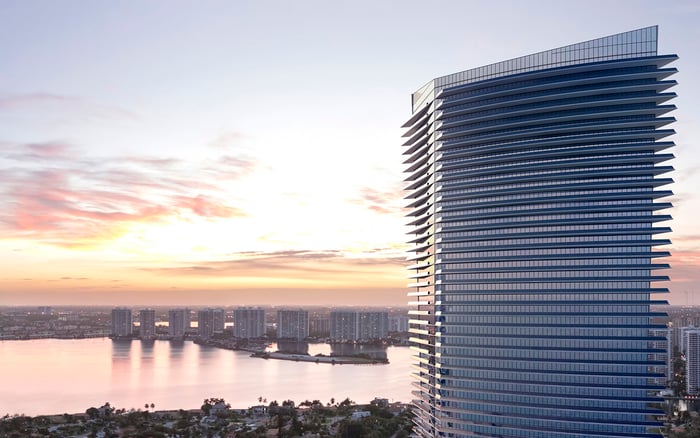
At Palazzo del Sol, the setting where Biscayne Bay meets the Atlantic Ocean offers an evocative introduction. The 43-residence condominium at 7000 Fisher Island Drive, Fisher Island, FL 33109 also poses a more intimate question for a prospective owner: how will a particular residence sound when it becomes home?
For a buyer who values uninterrupted sleep, quiet conversation, or a tranquil study, acoustic comfort deserves the same attention as exposure and layout. The essential distinction is between a building’s advertised specification and the experience inside a specific bedroom. Neither the address nor a polished showing can resolve that distinction alone.
Purchase planning should follow three parallel tracks: sound isolation between residences, proximity to mechanical and service spaces, and the practical handling of impact-noise complaints. These concerns are related, but not interchangeable.
The advertised sound-attenuation specification between units is STC 55. That is a meaningful starting point for questions, not a unit-specific field-test result. It should not be interpreted as a guarantee against footsteps, equipment vibration, or audible service activity.
Ask which assemblies the specification describes and whether any testing applies to the residence under consideration. A buyer’s acoustic specialist should distinguish evidence relevant to airborne sound from evidence relevant to impact noise. The purchase file should make that distinction explicit, rather than allowing one advertised number to stand for every aspect of quiet.
Private elevator entrances with “zero tolerance doors” are also marketed residence features. The description provides no separately established acoustic rating for that phrase. During an inspection, evaluate the entrance separately: listen with the doors closed and ask whether any acoustic documentation applies to the door assembly.
The objective is not to discount design intent, but to establish what it means for the rooms the buyer will actually occupy.
Acoustical design work covered both Palazzo del Sol and Palazzo della Luna, including mechanical-system noise control, partition design, and construction detailing intended to meet defined acoustic criteria in occupied spaces. That work establishes that equipment noise received design attention. It does not establish measured performance inside a particular residence beside mechanical equipment.
For a penthouse purchase, or any residence with possible equipment adjacency, request the relevant plans rather than inferring conditions from floor height. Ask management to identify mechanical rooms and service spaces above, below, and beside the home. Have the buyer’s specialists assess their relationship to bedrooms, studies, and other quiet-use rooms.
The marketed mechanical features include Bosch HVAC, Nest thermostats, and linear air diffusers. Those names and components do not answer the separate question of operating noise in a particular room.
Ask which equipment serves the residence, which serves common areas, and who would investigate an audible disturbance. Keep these questions open until the layout, operating conditions, and maintenance responsibilities have been reviewed. Proximity warrants scrutiny; it is not proof of a defect.
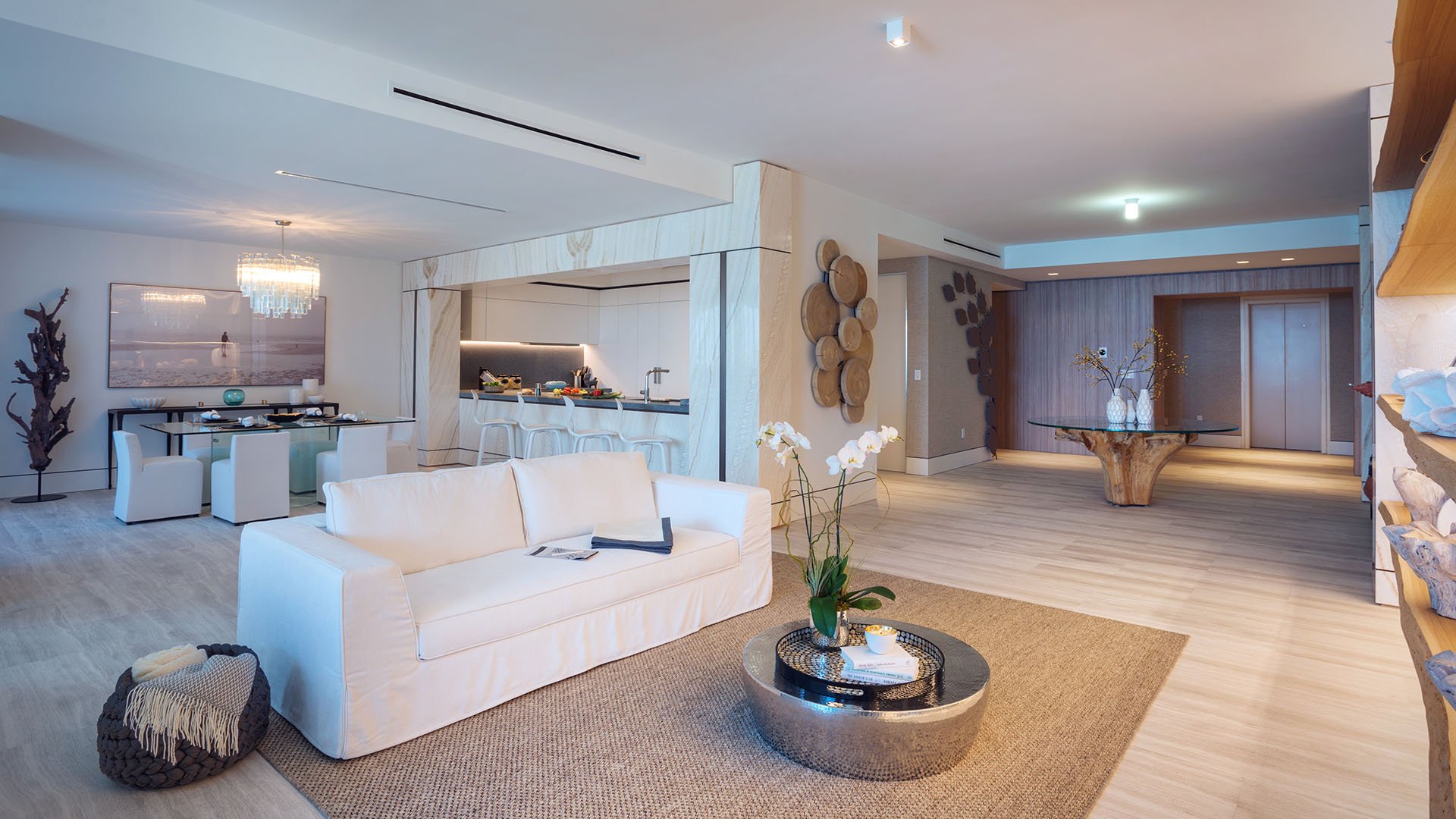
Arrange a dedicated listening visit, subject to access and permission, rather than relying exclusively on the first showing. Request that music and other masking sounds be turned off. Spend time in the primary bedroom, secondary bedrooms, study, and private elevator entrance, paying attention to the conditions in which each space will be used.
Ask to observe normal HVAC operation and, where feasible, arrange a second visit at a different time. Record what was operating, where a sound was audible, and whether it appeared continuous or intermittent. These observations can help frame an investigation, but they are not a technical diagnosis.
If a persistent hum, vibration, or impact sound raises concern, engage an independent acoustical professional before the purchase decision becomes difficult to revise. Ask that professional to define a suitable assessment and explain its limits.
A quiet appointment is reassuring. It is not a substitute for understanding which conditions were absent during the visit.
For a resale residence, ask for available flooring and renovation approvals relevant to the home. Where access and disclosure permit, inquire about alterations in adjoining residences that could bear on a concern. Request the approved flooring assembly, underlayment requirements, installation documentation, and any applicable testing or completion records.
The question is not simply whether a floor was approved, but what was approved, what documentation supports the installation, and what the association requires if a complaint follows. Have the relevant professionals assess those records rather than assuming a finish selection establishes acoustic performance.
Keep construction noise separate from everyday impact noise. Historically, stone demolition, wall demolition, concrete-slab core drilling, and saw cutting were classified as “noisy work” under Fisher Island contractor procedures. That classification does not establish the current rules governing footsteps or other ordinary activity in an occupied residence.
Request current governing documents and flooring policies. Do not substitute an old contractor package for the rules that will shape ownership after closing.
A purchase review should examine how a complaint would be handled, not merely whether the association has a general noise provision. Ask who receives complaints, what documentation is requested, whether testing can be required, and how responsibility for investigation and corrective work is determined.
Distinguish an allegation involving a neighbor’s flooring from a concern involving common mechanical equipment. Ask management and Florida condominium counsel to explain the applicable process for each. Do not assume they share the same notice requirements, decision-maker, or remedy.
Where records are available and disclosure is permitted, review relevant complaint history, investigation records, and evidence of completed corrective work. A verbal statement that an issue was addressed should prompt a request for supporting documentation, not an automatic conclusion about present performance.
Counsel should also review whether appropriate inspection access, document delivery, and unresolved concerns can be addressed within the purchase agreement and its deadlines. No particular outcome or enforcement remedy should be presumed.
A buyer also considering The Residences at Six Fisher Island should ask the same acoustic questions without assuming equivalent construction, equipment placement, or governance. Comparison is most useful when the evidence requested remains consistent.
For Palazzo del Sol, the decision should bring together the advertised specification, the residence’s relationship to adjoining spaces and equipment, listening observations, and current association procedures. If a concern remains unresolved, identify what further assessment would clarify it before proceeding. The aim is not an impossible promise of silence, but a considered purchase supported by evidence relevant to the buyer’s expectations.
For a discreet perspective on your South Florida purchase, connect with MILLION.
If branded residences are on your mind — as a home or as an allocation — we would be glad to share what we are seeing, privately.
Begin a quiet conversationPalazzo del Sol is a 43-residence condominium at 7000 Fisher Island Drive, Fisher Island, FL 33109, where Biscayne Bay meets the Atlantic Ocean.
Published residence specifications advertise STC 55 sound attenuation between units. This is a marketed specification, not a unit-specific field-test result.
No. The advertised specification should not be treated as a guarantee against impact noise, equipment vibration, or audible service activity.
The private elevator entrances are marketed with “zero tolerance doors,” but that description supplies no separate acoustic rating for the doors.
The acoustical design scope included mechanical-system noise control, partition design, and construction detailing. That scope does not establish actual sound levels in an individual residence.
Request relevant plans and ask management to identify mechanical and service spaces above, below, and beside the residence. Have specialists evaluate their relationship to bedrooms and other quiet-use rooms.
Marketed features include Bosch HVAC, Nest thermostats, and linear air diffusers. These features alone do not establish in-room acoustic performance.
No. Historical procedures identifying demolition, drilling, and cutting as noisy work concern construction activity, not proof of current everyday impact-noise rules.
Ask for available flooring approvals, approved assemblies, underlayment requirements, installation documentation, and applicable testing records. Review them alongside the association’s current flooring policies.
An independent acoustical professional can assess technical concerns, while Florida condominium counsel can review governing documents and applicable procedures. Management should clarify the investigation process and maintenance responsibilities.