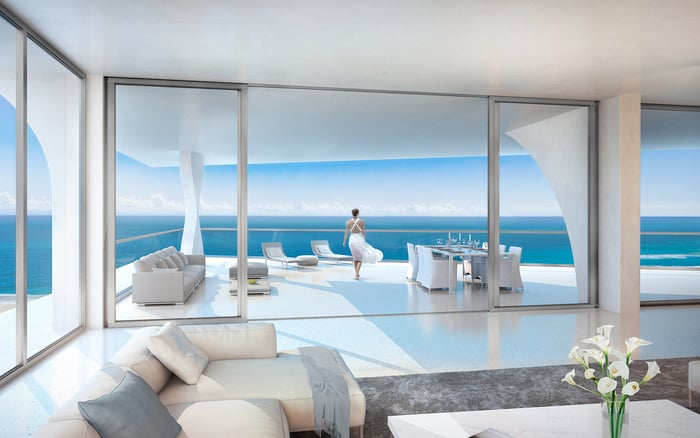
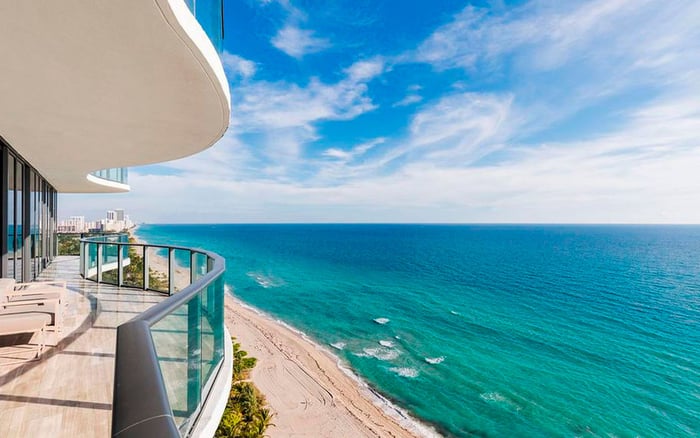
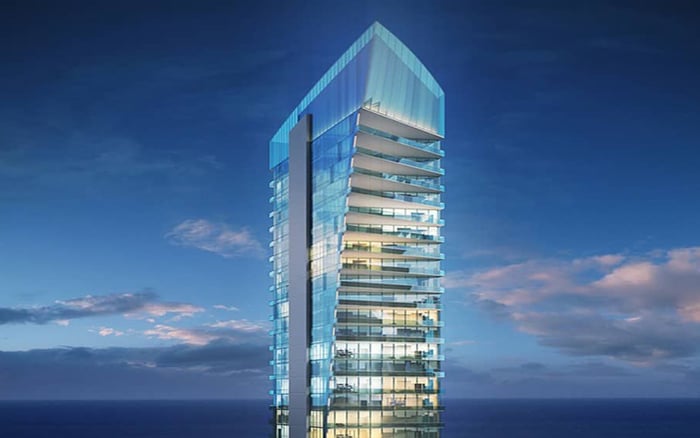
A Sunny Isles Beach penthouse deserves diligence beyond the view. Establish rooftop rights, separate terrace maintenance from payment obligations, inspect nearby mechanical systems, and document the property clearly for appraisal before closing.
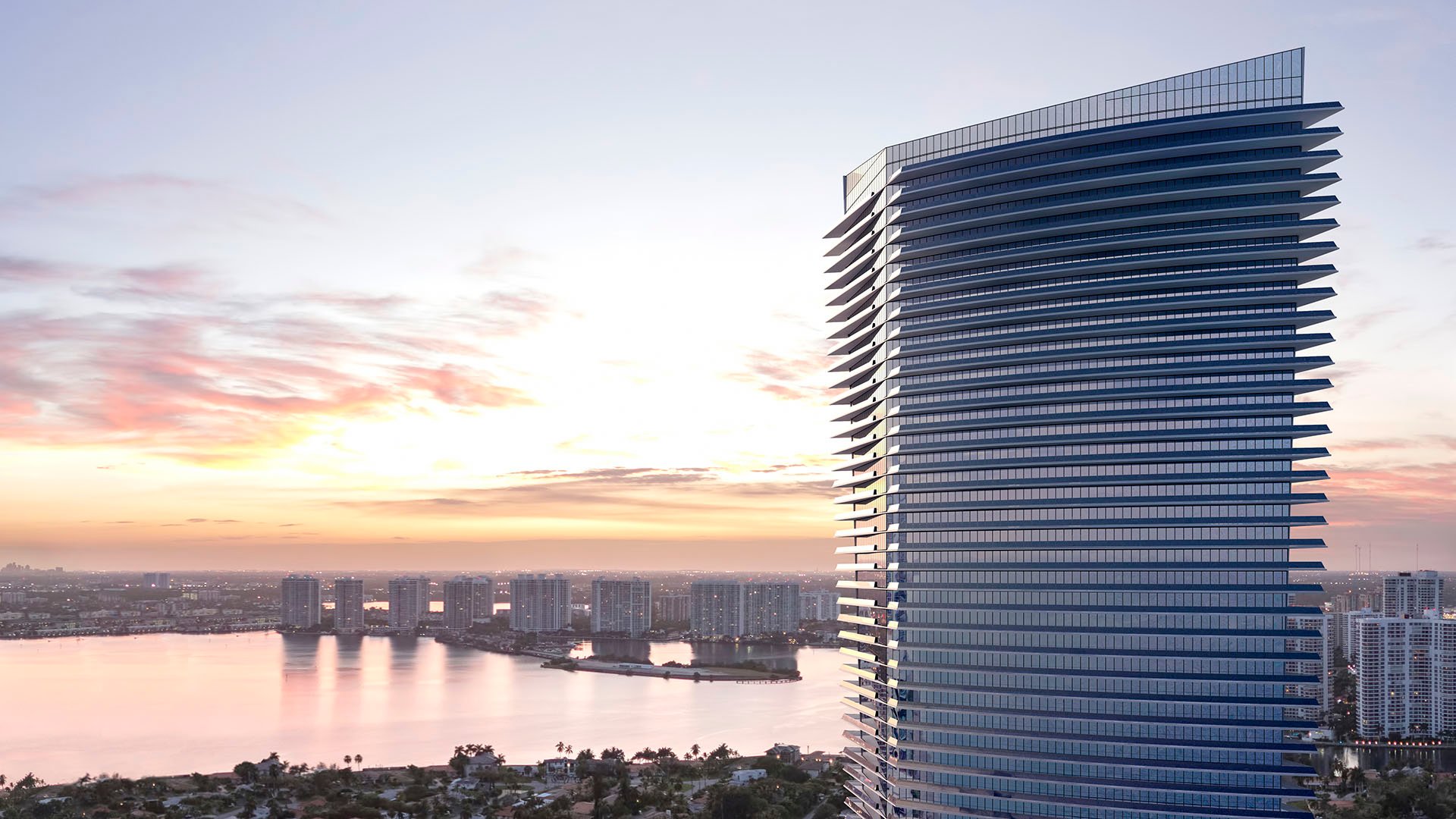
A penthouse in Sunny Isles Beach draws attention outward: the horizon, the terrace, the sense of separation from the building below. Before closing, the more consequential examination turns inward-to the documents and systems that define what the buyer controls, must maintain, and may ultimately fund.
The essential distinction is simple: exclusive use is not the same as ownership, maintenance responsibility, or freedom from building access. A rooftop can feel entirely private while remaining part of the condominium’s common elements. Establish its legal classification before assessing its value to the buyer.
For a search that includes Jade Signature Sunny Isles Beach, apply that discipline to the specific residence rather than treating the project name as an answer. These are Florida condominium principles, not findings about any particular Sunny Isles Beach building.
Ask condominium counsel to review the declaration, applicable amendments, and exhibits together. The first deliverable should identify whether each outdoor area lies within the unit boundaries, constitutes a general common element, or is a limited common element reserved for particular owners.
Physical access is not sufficient proof. A terrace reached only through the penthouse still requires a documented legal classification and, where relevant, an exclusive-use assignment tied to that unit.
Have counsel identify:
The boundaries and descriptions of the rooftop and terrace areas.
The provisions assigning exclusive use to the specific penthouse.
Any applicable access provisions for inspection, maintenance, and repairs.
The language governing alterations and existing rooftop improvements.
Request a marked plan alongside the written explanation. The documents should be clear to the buyer, inspector, appraiser, and lender, without requiring anyone to infer rights from a sales floor plan.
Florida condominium law places common-element maintenance with the association by default, while permitting the declaration to allocate limited-common-element maintenance to individual owners. Limited common elements remain common elements; exclusivity alone does not shift the maintenance duty.
A second distinction matters: the association may perform maintenance while allocating the expense only to the owners entitled to use the area. Alternatively, the work may be funded as a common expense. Asking only whether the association “handles the roof” leaves the financial question unanswered.
For every relevant clause, counsel should identify who arranges the work, who pays, and whether repair and replacement are treated differently from routine upkeep. Rooftop obligations can extend to construction, maintenance, repair, and replacement expenses when the governing language assigns them that way.
A comparison involving Regalia Sunny Isles Beach should therefore remain document-specific. An allocation understood at one condominium should never be assumed to apply to the next purchase.
“The terrace is yours” is not a responsibility schedule. The roof structure and waterproofing may carry different obligations from decking, tile, or other owner-installed improvements. Counsel’s legal review and the inspector’s physical review should describe the same components.
Build a schedule covering the roof deck, waterproofing membrane, terrace slab, railings, drains, surface finishes, and built-in amenities. For each, record the maintenance party, paying party, repair obligation, replacement obligation, and controlling document provision. Mark unresolved items explicitly; do not let a general assurance stand in for an answer.
Ask how access to underlying components would be managed. If finishes must be removed to reach waterproofing, request written clarification of who would arrange removal and reinstatement and who would bear those expenses. The answer must come from the actual documents, not an assumed universal rule.
Resale buyers should also request available maintenance records and documentation for existing improvements. The goal is to reconcile the terrace being purchased with the rights, approvals, and responsibilities counsel has identified.
The roof is not simply an outdoor room. It can also accommodate shared building systems, and exclusive rooftop use does not resolve the maintenance or access questions those systems create.
During the inspection, locate nearby equipment and distinguish common systems from equipment serving the residence. Ask the inspector to examine accessible penetrations, flashing, drainage, and waterproofing interfaces-not just visible terrace finishes.
Where feasible, arrange to experience nearby equipment in operation. Assess noise and vibration from the terrace and adjacent interior rooms, and record what was operating during the visit. Ask management how technicians reach the equipment and how a substantial repair or replacement could affect terrace use.
For a residence under consideration at Muse Residences Sunny Isles Beach, these remain inspection questions, not assumptions about equipment placement or acoustic performance. The deliverable should document conditions and access arrangements for the particular home.
Do not assume that a maintenance allocation answers every insurance question. Absent an insurable event, reconstruction, repair, or replacement responsibility follows the maintenance provisions of the declaration or bylaws. An insured loss requires a separate analysis.
Ask counsel and the insurance adviser to distinguish ordinary deterioration and upkeep from casualty-related obligations. Where an answer depends on policy terms or the circumstances of a loss, retain that distinction in the closing file. A blanket statement that an area is “covered” is no substitute for understanding the relevant obligation.
The prudent appraisal approach is disclosure and transaction-specific confirmation-not an assumed discount. Neither owner-maintained roof obligations nor exclusive terrace use establishes a universal valuation adjustment or financing outcome.
Give the appraiser and lender the documented outdoor-area classification, unit-specific rights, component responsibility schedule, and relevant inspection findings. Ask how the rooftop rights and maintenance allocations will be treated in this transaction and whether further information is needed before closing.
When comparing a candidate at Turnberry Ocean Club Sunny Isles with another penthouse, avoid assigning an identical premium to outdoor areas simply because they appear similar. First establish what each buyer receives and must support financially; leave valuation conclusions to the transaction’s appraisal analysis.
The final audit should produce four coordinated deliverables: counsel’s rights analysis, the component responsibility schedule, the physical and mechanical inspection findings, and transaction-specific appraisal and lender clarification. Together, they should explain what the buyer may use, what must be maintained, who pays, and what remains unresolved.
If those materials conflict, ask the appropriate professionals to reconcile them before closing. The standard is not an obligation-free penthouse. It is a purchase in which the obligations are understood as clearly as the view.
For a considered approach to your Sunny Isles Beach penthouse search, connect with MILLION.
If branded residences are on your mind — as a home or as an allocation — we would be glad to share what we are seeing, privately.
Begin a quiet conversationNo. Counsel should establish whether it is within the unit boundaries, a general common element, or a limited common element by reviewing the declaration and exhibits.
No. Exclusive use alone does not establish maintenance responsibility; the governing documents must be reviewed for the applicable allocation.
Yes. Association-maintained limited common elements may be funded as a common expense or charged only to the owners entitled to use them, subject to the applicable allocation.
Include the roof deck, membrane, terrace slab, railings, drainage, finishes, and built-in amenities. Identify who maintains and pays for each component, including repair and replacement.
Yes. Structural and waterproofing obligations may differ from those for owner-installed decking, tile, or improvements, so each component needs separate review.
Locate nearby equipment, assess operating noise and vibration, and inspect accessible roof penetrations and waterproofing interfaces. Ask how maintenance access and equipment replacement could affect terrace use.
They cannot establish the allocation for the property being purchased. Roof rights and maintenance obligations require review of that condominium’s governing documents.
No. Ordinary repairs and insured losses require separate analysis, with counsel and an insurance adviser addressing the applicable documents and policy terms.
No universal adjustment is established. Give the appraiser and lender the documented rights and obligations and request transaction-specific confirmation of their treatment.
Reconcile the legal rights analysis, component responsibility schedule, inspection findings, and appraisal and lender clarification. Any conflicting answers should be addressed by the appropriate professionals before closing.