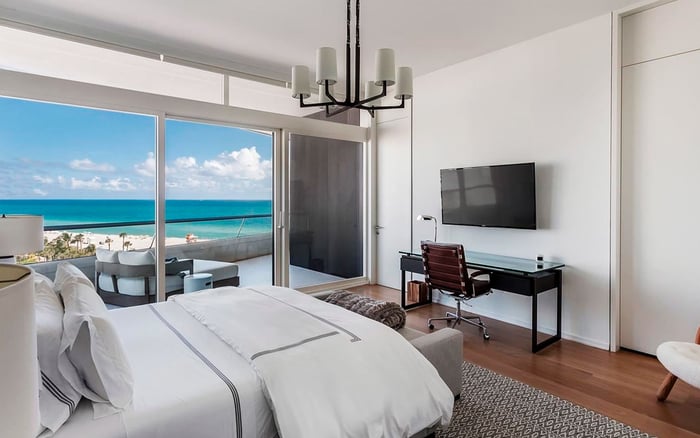
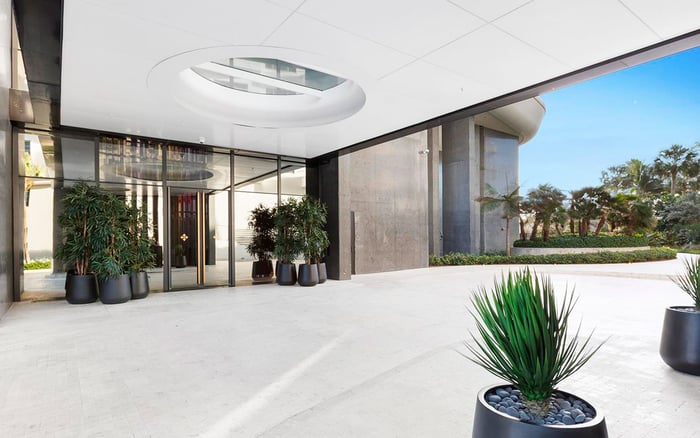
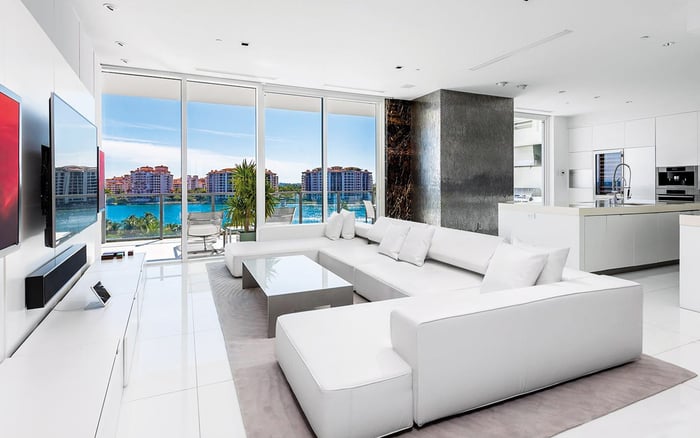
A collector’s purchase-planning guide to Faena House Miami Beach, separating condominium approvals, structural mounting review, municipal permitting, and vendor insurance before a major artwork installation.
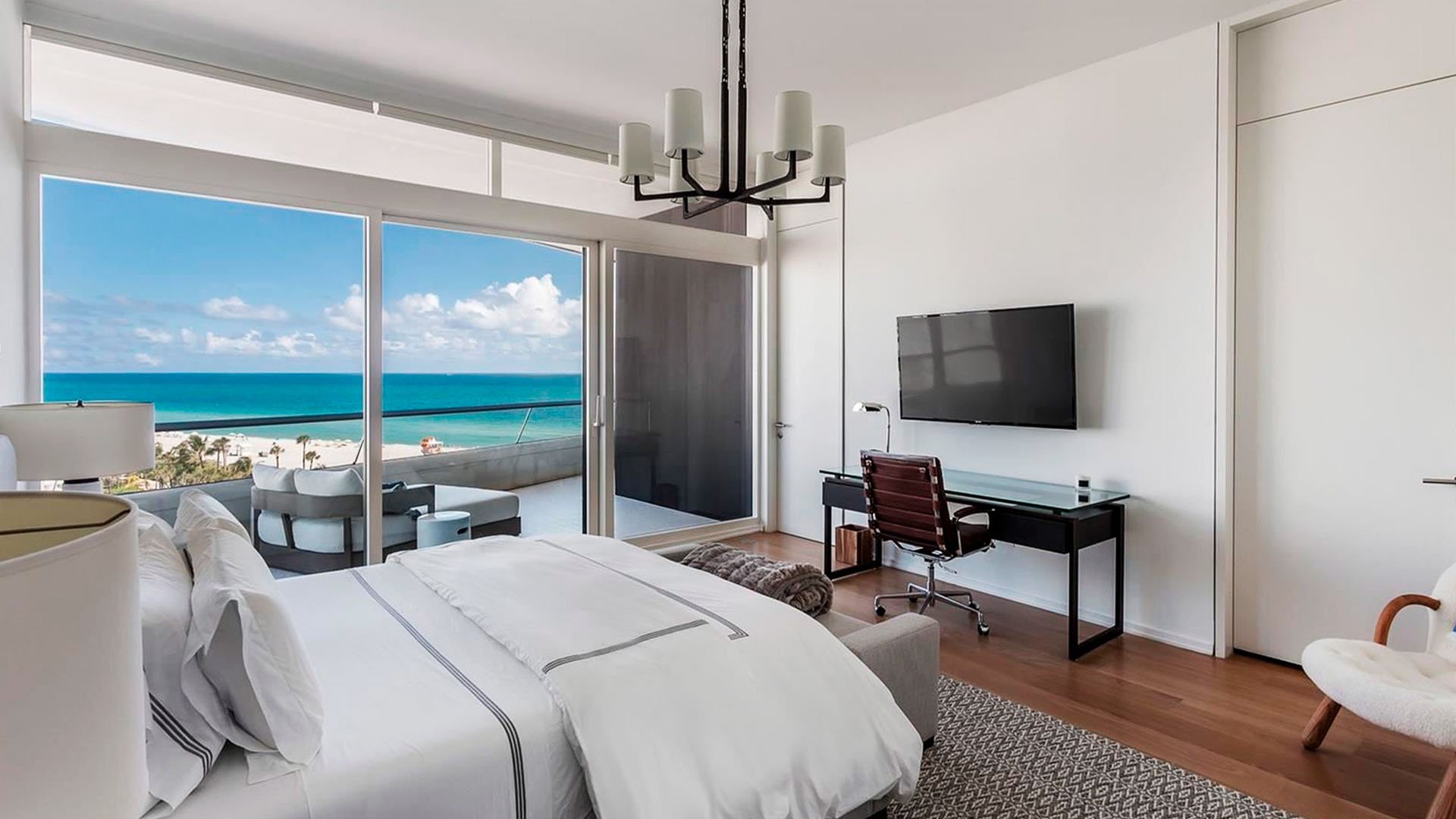
For a collector considering Faena House Miami Beach, a compelling wall is only the beginning. The purchase decision should also account for how a work will be supported, which approvals its installation may require, and whether the installation team can meet the applicable insurance requirements. Resolve those questions before commissioning mounting hardware or committing to delivery.
The essential distinction is between the artwork and the work required to install it. A framed piece, a substantial relief, and a suspended installation are not interchangeable scopes. Describe the proposed intervention precisely, then ask management and the appropriate professionals to identify the applicable review path.
Organize purchase planning around four separate matters: condominium consent, mounting suitability, municipal permitting where applicable, and vendor documentation. Progress in one does not settle the others.
Request the current declaration, alteration package, and any art-installation instructions from association management. Ask who reviews the proposal, what supporting information is required, and whether the installation would affect common elements or association property. A seller’s previous installation is not authorization for a different work or mounting method.
Under Florida condominium law, material alterations or substantial additions to common elements or association property generally follow the approval procedure in the declaration. If the declaration does not specify a procedure, approval by 75% of the total voting interests is generally required before those alterations or additions begin. That threshold is not a blanket voting requirement for hanging artwork inside a residence.
Common-element maintenance is generally the association’s responsibility, subject to statutory provisions and the declaration’s allocation of responsibility for certain limited common elements. Have counsel clarify ownership and responsibility wherever a proposed attachment touches a potentially shared component. That distinction matters more than whether the finished installation appears entirely within the home.
Do not base a purchase decision on an assumed Faena House wall-load allowance. Request the structural mounting criteria and ask how they apply to the precise location, artwork, and attachment system under consideration. Seek the same clarity for ceiling attachments; do not extrapolate from a wall installation.
Prepare a technical brief for review: artwork dimensions and weight, proposed location, mounting concept, attachment-point layout, and any associated lighting or concealed equipment. Ask the reviewing professional what additional information is necessary and whether an engineer’s assessment is appropriate. These are recommended diligence materials, not a statement of Faena House’s submission requirements.
Ask specifically about allowable loads, anchor capacities, penetration depth, and prohibited drilling zones. Obtain a location-specific answer before authorizing drilling. Neither a hardware label nor an installer’s general assurance substitutes for that review.
If also considering Setai Residences Miami Beach, bring the artwork brief to that inquiry, but request a fresh assessment. Neither a successful installation in another residence nor another association’s permission establishes suitability at Faena House.
The municipal question concerns the scope of construction, not simply the presence of art. In Miami Beach, condominium construction that requires a permit must be performed by a licensed contractor. This does not establish a universal permit requirement for ordinary picture hanging.
Before finalizing the proposal, ask whether reinforcement, wall alterations, or related electrical work changes its permitting status. For work within the condominium interior-alteration checklist’s scope, architectural plans are required construction documents, and Building-Multiple Trades and Fire are among the reviewing departments. Do not apply that checklist indiscriminately to every artwork installation.
Have the project team identify the permit path for the actual scope and coordinate it with management’s review. Keep the decisions distinct: association approval is not a municipal permit, and municipal contractor documentation is not condominium consent. Obtain the necessary determinations before fixing the installation date.
Request management’s current vendor-insurance form before asking the installer to arrange certificates. Have management specify the required coverage, limits, certificate-holder wording, additional-insured wording, and any supporting endorsements. Do not base budgets or schedules on an assumed Faena House insurance minimum.
Municipal contractor requirements serve a different purpose. In Miami Beach, contractors must submit updated license and insurance information with their license number, email address, and active permit number, if any. Certified-contractor requirements include a liability-insurance certificate issued to the city’s Building Department for municipal permitting purposes. Confirm the current requirements rather than treating that certificate alone as a complete checklist.
For a contractor new to Miami Beach, review the city’s license and insurance requirements before applying for permits. Separately, obtain management’s confirmation that the vendor submission satisfies the association’s instructions. Do not borrow certificate-holder language or submission rules from the neighboring City of Miami and assume they apply in Miami Beach or at Faena House.
Before committing to a major installation, request practical delivery rules alongside the alteration documents. Ask about available delivery routes, elevator dimensions and reservations, protective measures, staging, work hours, and any deposits or fees. Treat each as a question for management, not an assumed building policy. Have the art handler assess the proposed route before dispatch.
For buyers also evaluating Five Park Miami Beach, use the same inquiry structure while keeping each property’s answers separate. A comparison is more useful when it records written conditions rather than an informal promise of a straightforward installation.
Insurance planning should also address the owner’s property. Under Florida condominium law, specified interior items, including wall, floor, and ceiling coverings, are excluded from association property-insurance coverage, placing responsibility on the unit owner. Ask your insurance adviser to address the artwork, interior finishes, and installation exposures separately. Do not assume the association’s policy covers all three.
Before committing, assemble a decision file containing the current governing documents, management’s written response to the proposed scope, the technical mounting assessment, any applicable permit requirements, and the vendor-insurance instructions. Keep unresolved questions visible rather than letting the closing calendar obscure them.
Where a particular work is central to the home’s intended use, discuss unresolved installation issues with purchase counsel before the transaction becomes binding. Do not rely on an assumed approval timeline. Coordinate fabrication and shipment only after the relevant conditions are understood.
The objective is not simply permission to place art on a wall. It is confidence that the selected residence, approved attachment method, delivery plan, and insurance arrangements can support the collection as intended.
For a discreet conversation about aligning a South Florida residence with your collection, connect with MILLION.
If branded residences are on your mind — as a home or as an allocation — we would be glad to share what we are seeing, privately.
Begin a quiet conversationRequest the current declaration, alteration package, structural mounting criteria, vendor-insurance form, and installation logistics from association management.
No. That statutory threshold generally applies to material alterations or substantial additions to common elements or association property when the declaration does not specify an approval procedure.
No load allowance should be assumed. Request criteria for the exact location, artwork, and attachment system, with professional assessment as appropriate.
Include the artwork’s dimensions and weight, proposed location, mounting concept, attachment-point layout, and related lighting or equipment. Ask the reviewer what further information is needed.
The permit guidance does not establish a blanket requirement for ordinary picture hanging. Condominium construction that requires a permit must be performed by a licensed contractor.
Architectural plans are required for work within the scope of Miami Beach’s condominium interior-alteration checklist. Have the project team determine whether the proposed work falls within that scope.
No. Municipal contractor documentation and condominium approval address separate requirements and should be handled separately.
Request management’s current certificate-holder, additional-insured, and coverage instructions. Do not substitute municipal wording for the association’s requirements.
No. Florida condominium law excludes specified interior property, including wall, floor, and ceiling coverings, from association property-insurance coverage, placing responsibility on the unit owner.
Ask management about delivery routes, elevator dimensions and reservations, protection, staging, work hours, and any deposits or fees. Have the art handler assess the route before dispatch.