A disciplined Palm Beach Gardens condominium purchase looks beyond reserve balances to the relationship between building condition, project timing, and funding. Review roof, façade-related work, plumbing, electrical, and waterproofing together to understand the ownership commitment.
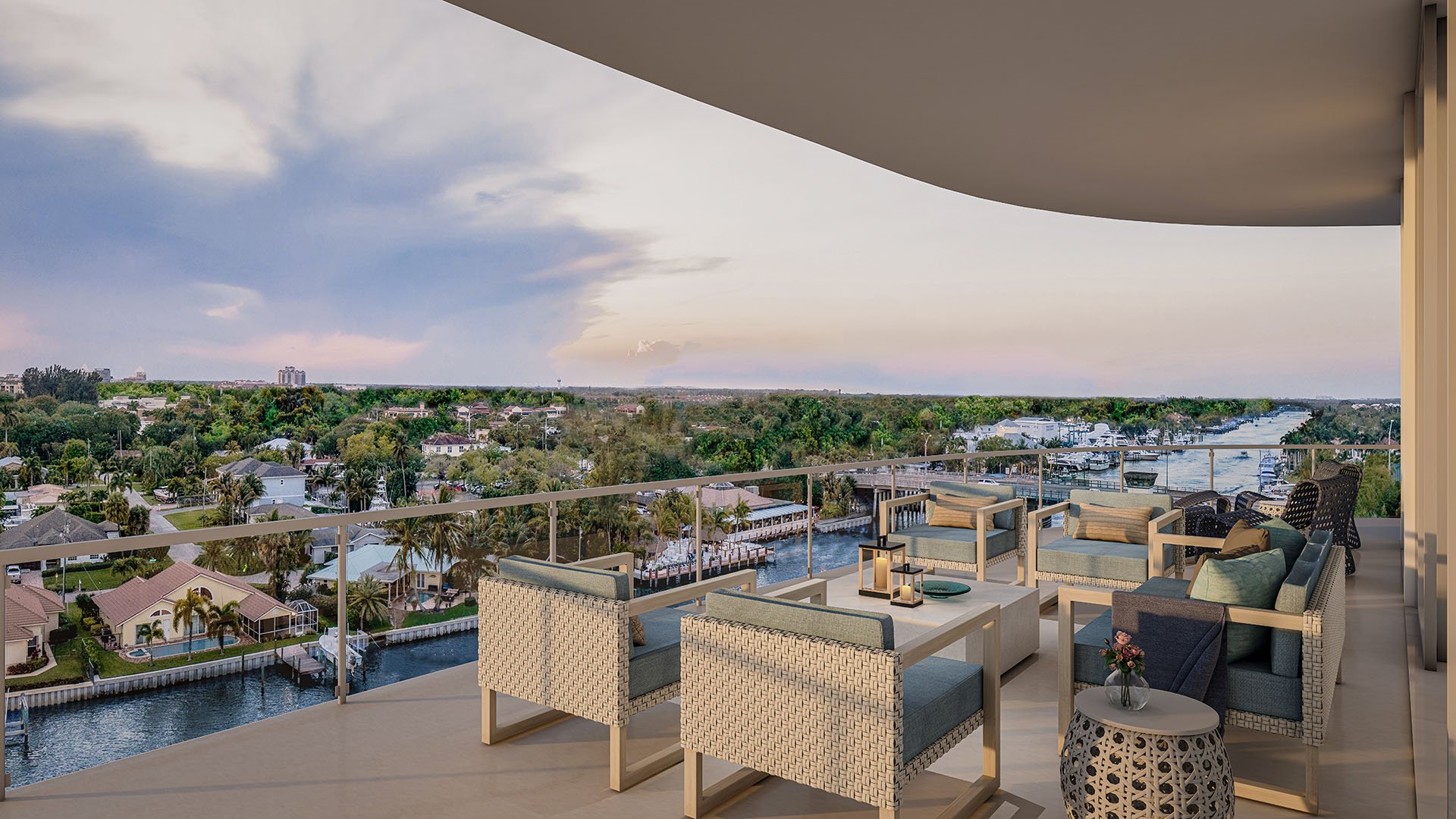
In Palm Beach Gardens, a compelling residence can make the purchase decision feel immediate. The more consequential ownership questions deserve a slower reading: what the association expects to repair, when it anticipates that work, and how it intends to fund it. The view belongs to the residence. The capital obligations belong in the acquisition decision.
For a buyer considering The Ritz-Carlton Residences® Palm Beach Gardens, or another condominium in the area, building-specific diligence matters more than assumptions drawn from presentation or branding. No project reference here establishes a particular reserve position, repair requirement, or compliance status.
The central recommendation is straightforward: review roof, façade-related work, plumbing, electrical, and waterproofing as one capital plan. That means coordinating the analysis, not combining legally restricted reserve funds. A reserve balance becomes meaningful only when read alongside the work it is intended to support.
Florida generally requires a Structural Integrity Reserve Study, or SIRS, at least every 10 years for each residential condominium building with three or more habitable stories, subject to statutory exceptions. A reserve study evaluates existing reserves and the funding needed for anticipated repairs; a SIRS focuses on specified structural-integrity components.
A separate milestone-inspection requirement generally applies to qualifying condominium and cooperative buildings of three or more habitable stories at age 30 and every 10 years thereafter. Local enforcement agencies may require an initial inspection at age 25 because of local circumstances. A coastal address alone is not proof that the earlier trigger applies.
These documents answer different questions. The milestone inspection evaluates structural condition and substantial structural deterioration. The SIRS addresses reserve planning. Neither substitutes for the other, and possessing one does not resolve the questions addressed by the other.
Before comparing residences, ask counsel and the association to establish which requirements and timing provisions apply to the specific building. These are statewide requirements, not a separate Palm Beach Gardens ordinance.
The statutory component list includes the roof, load-bearing walls or other primary structural members, and fireproofing and fire-protection systems. It also expressly includes waterproofing and exterior painting, windows, and exterior doors.
“Façade” is not a standalone SIRS category. That distinction matters when an association describes a broad exterior program. Relevant work may fall under structural components, waterproofing, painting, windows, or doors. Buyers should ask how the described scope maps to the study rather than assume a single façade allowance captures everything.
A useful review traces each proposed exterior project from its condition assessment through its estimated timing and funding provision. Ask whether the roof scope addresses its interfaces with adjoining envelope work, and whether waterproofing and painting allowances describe distinct tasks. These are coordination questions for the building's advisers, not conclusions that additional repairs are necessary.
For a broader Palm Beach search that includes Alba West Palm Beach, apply the same discipline: compare documented scopes and responsibilities, not exterior appearance. Attractive finishes cannot answer a reserve-funding question.
Plumbing and electrical systems are required SIRS categories. They belong alongside the roof and envelope in the buyer's financial review, not as an afterthought once the visible building elements have been discussed.
Ask the association to identify the scope of each allowance, the assumptions supporting anticipated work, and how those assumptions relate to budgeted contributions. Where responsibility is unclear, have counsel clarify the boundary between association and owner obligations before drawing conclusions about personal exposure.
The SIRS framework also covers other items exceeding the statutory cost threshold whose failure would negatively affect listed structural-integrity components. The review should not stop simply because an item falls outside the five systems emphasized in this article.
The purpose is completeness, not alarm. Neither age nor proximity to water establishes that a building faces imminent repairs. That judgment requires building-specific condition information and financial records.
Request the latest SIRS, any broader reserve study, the applicable milestone-inspection report, and current budgeted reserve contributions together. Compare the planning assumptions with the association's financial records and explanations of scheduled work.
A practical buyer's review can organize the material around four questions:
Scope: Which systems and tasks are covered, and what remains outside each allowance?
Timing: When is work anticipated, and do the different documents use compatible assumptions?
Funding: What reserves and planned contributions support the scheduled obligations?
Reconciliation: If the study and current budget differ, what explains the difference?
Ask for a component-by-component schedule that connects these answers. Where several projects fall within the same planning period, ask the association's advisers to explain their sequencing and funding. Separate line items do not automatically produce a coordinated program.
If your search extends to Shorecrest Flagler Drive West Palm Beach, use the same questions after establishing the documents and obligations applicable to that building. A consistent diligence framework does not require assuming that different properties share the same condition, development stage, or reserve needs.
Associations subject to SIRS funding requirements generally cannot vote to waive required SIRS reserves, although limited statutory funding flexibility exists. The explanation behind a budget decision is therefore as important as the contribution shown on its face.
Florida's 2025 condominium legislation extended the initial SIRS deadline for qualifying existing associations to December 31, 2025, with limited timing flexibility tied to milestone inspections. For a purchase review, establish the association's actual compliance position rather than treat that historical extension as an ongoing exemption.
The 2025 legislation also permitted a conditional reserve-contribution pause for up to two consecutive annual budgets following a qualifying milestone inspection. Such a pause does not permanently eliminate reserve obligations. If an association relies on this provision, ask counsel to confirm its applicability and request an explanation of how subsequent funding is addressed.
The strongest purchase file connects condition, scope, timing, and funding without unexplained gaps. It does more than contain a study or an impressive reserve balance: it allows the buyer and advisers to understand what the association has planned and which assumptions still need clarification.
For a luxury condominium purchase, that clarity supports a more considered ownership decision. Roof and envelope work deserve attention, but so do the plumbing, electrical, and fire-protection obligations behind the finished interiors. Review them together while respecting the legal restrictions governing their funds.
For a discreet conversation about your Palm Beach Gardens property search, connect with MILLION.
If branded residences are on your mind — as a home or as an allocation — we would be glad to share what we are seeing, privately.
Begin a quiet conversationResidential condominium buildings with three or more habitable stories generally require a Structural Integrity Reserve Study at least every 10 years, subject to statutory exceptions.
No. A milestone inspection evaluates structural condition and substantial structural deterioration, while a SIRS addresses reserve planning.
For qualifying buildings, it generally begins at age 30 and repeats every 10 years. Local enforcement agencies may require an initial inspection at age 25 because of local circumstances.
No. Relevant façade work may fall under structural components, waterproofing, exterior painting, windows, or exterior doors.
Yes, both are required SIRS categories. Buyers should review their funding alongside roof and envelope obligations.
Review the latest SIRS, any broader reserve study, the applicable milestone-inspection report, and current budgeted reserve contributions. Compare them with the association's financial records and planned work.
Associations subject to SIRS funding requirements generally cannot vote to waive those reserves. Limited statutory funding flexibility may apply and should be evaluated for the specific association.
No. The 2025 legislation permitted a conditional pause for up to two consecutive annual budgets following a qualifying milestone inspection, not permanent elimination of reserve obligations.
No. It means reviewing condition, project timing, and funding together while respecting the legal restrictions governing the funds.
No. That conclusion requires building-specific condition information and financial records, not assumptions based on age or location.