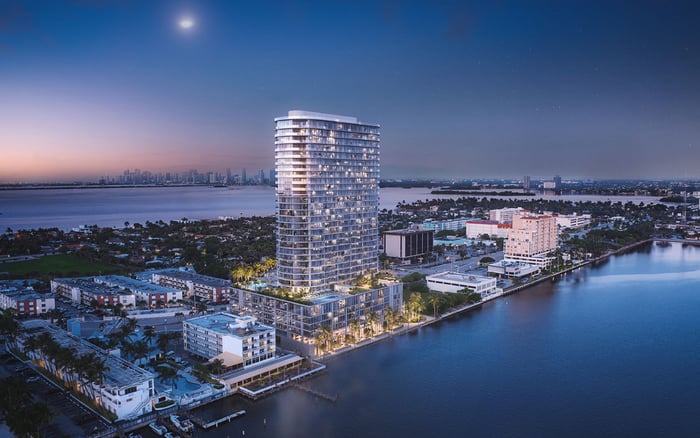
For North Bay Village buyers, protecting a waterfront residence begins before closing. Humidity management, mold procedures, vacant-home oversight, and emergency response deserve review as operating standards rather than incidental maintenance details.

For a North Bay Village purchase, humidity management, mold response, absence care, and emergency procedures should enter the diligence process early. The review should address both the individual residence and the building systems or policies that may affect it.
A showing cannot establish how a residence is managed while vacant or how an alert will be handled. Buyers can instead request available records, arrange appropriate inspections, and ask management to explain its procedures in writing. Any technical findings should be evaluated by qualified professionals, while contractual responsibilities should be reviewed by counsel.
Buyers comparing Continuum Club & Residences North Bay Village, Shoma Bay North Bay Village, and Tula Residences North Bay Village should conduct project-specific diligence rather than assume that operating practices are identical.
Ask an inspector or other qualified professional to evaluate the residence’s cooling, ventilation, drainage, and moisture-monitoring arrangements. The scope can include accessible equipment, condensate handling, exhaust operation, signs of previous leaks or repairs, and any monitoring system intended for use during an owner’s absence.
A buyer should also ask how alerts are created, who receives them, and what authority that person has to enter the residence or contact a contractor. If a seller, association, or manager has relevant service records, incident logs, assessments, or repair documents, request them for review without assuming that their availability or completeness is guaranteed.
Temperature settings should not be treated as a substitute for a documented moisture-management plan. Any target settings, equipment instructions, or monitoring thresholds should be established for the specific residence with qualified technical guidance.
A written mold-response procedure can identify the first point of contact, entry authorization, escalation sequence, documentation requirements, and responsibility for arranging professional assessment. It should also distinguish immediate steps to address a suspected moisture source from later decisions about testing, remediation, repairs, and clearance.
Buyers can ask the seller and association for available records concerning prior leaks, moisture events, repairs, or mold-related work. If the review raises concerns, the appropriate next step is a qualified inspection rather than a conclusion based only on appearance or odor.
Responsibility may depend on the governing documents, contracts, insurance terms, source of the condition, and professional findings. Counsel and insurance advisers should review those materials instead of relying on general assumptions about whether an owner, occupant, association, manager, or contractor will be responsible.
If the residence will be vacant, the service agreement should describe exactly what the provider will inspect and document. Relevant terms may include visit frequency, equipment checks, visible leak checks, sensor review, alert routing, entry authorization, reporting, contractor coordination, and escalation when the owner cannot be reached.
Each visit should produce a usable record. A dated report can identify the person who entered, the areas reviewed, any readings collected, photographs taken, concerns observed, and actions requested or completed.
The buyer should compare the provider’s obligations with the association’s access rules. An absence-care arrangement offers limited protection if the designated person cannot enter promptly or does not have clear authority to arrange an appropriate response.
Ask building management for the emergency materials it makes available to owners and review the procedures that apply before and after a storm or other building event. The inquiry can cover owner communications, residence access, authorization requirements, inspection sequencing, documentation, and coordination with outside contractors.
Building systems and operating plans should be verified for the specific property. Buyers should request available information rather than assume what equipment is covered, how long access may take, or which services receive priority.
An owner’s plan should also identify who will monitor notices, prepare the residence when authorized, inspect it when access becomes available, and report findings. Written roles reduce ambiguity among the owner, association, property manager, and service providers.
The most useful review coordinates technical, legal, insurance, and operational diligence. Inspectors can assess conditions within their scope; counsel can interpret documents and proposed agreements; insurance advisers can explain the selected policy; and management can describe building procedures and available records.
Before closing, unresolved questions can be documented and directed to the appropriate party. Buyers should avoid treating marketing language or informal assurances as a substitute for governing documents, professional findings, or a written service agreement.
Why review humidity management before purchasing in North Bay Village? Early review gives the buyer time to evaluate the residence’s systems, available records, monitoring arrangements, and proposed care plan before closing.
Is a thermostat setting enough for a vacant residence? It should not replace a residence-specific plan developed with qualified guidance and supported by appropriate monitoring and response procedures.
Which records can a buyer request? Ask for available HVAC service documents, leak or repair records, moisture or mold assessments, incident logs, and relevant association materials.
What should a mold-response protocol address? It can identify contacts, access authority, escalation steps, documentation requirements, and the process for obtaining professional assessment or remediation guidance.
What belongs in an absence-care agreement? The agreement can define visit frequency, inspection scope, alert routing, reporting, entry authority, contractor coordination, and escalation procedures.
How should vacant-residence visits be documented? A dated report can record who entered, what was reviewed, any readings or photographs collected, concerns observed, and follow-up actions.
Why should association access rules be reviewed? They help clarify when and how an owner’s representative may enter the residence and respond after an alert or building event.
What emergency-response questions should management answer? Ask about communications, preparation procedures, post-event access, inspection sequencing, documentation, and contractor coordination.
Who determines responsibility for a moisture or mold issue? Responsibility should be evaluated from the governing documents, contracts, insurance terms, source of the condition, and qualified professional findings.
Which professionals may assist with this diligence? Depending on the issue, a buyer may consult qualified inspectors, legal counsel, insurance advisers, property managers, and relevant technical specialists.
For a tailored shortlist and next-step guidance, connect with MILLION.
If branded residences are on your mind — as a home or as an allocation — we would be glad to share what we are seeing, privately.
Begin a quiet conversation