For a Las Olas condominium purchase, the residence line, exposure, glazing, balcony conditions, and elevator access deserve review before a buyer assigns value to the view. A disciplined comparison can clarify how each home may support daily comfort and use.
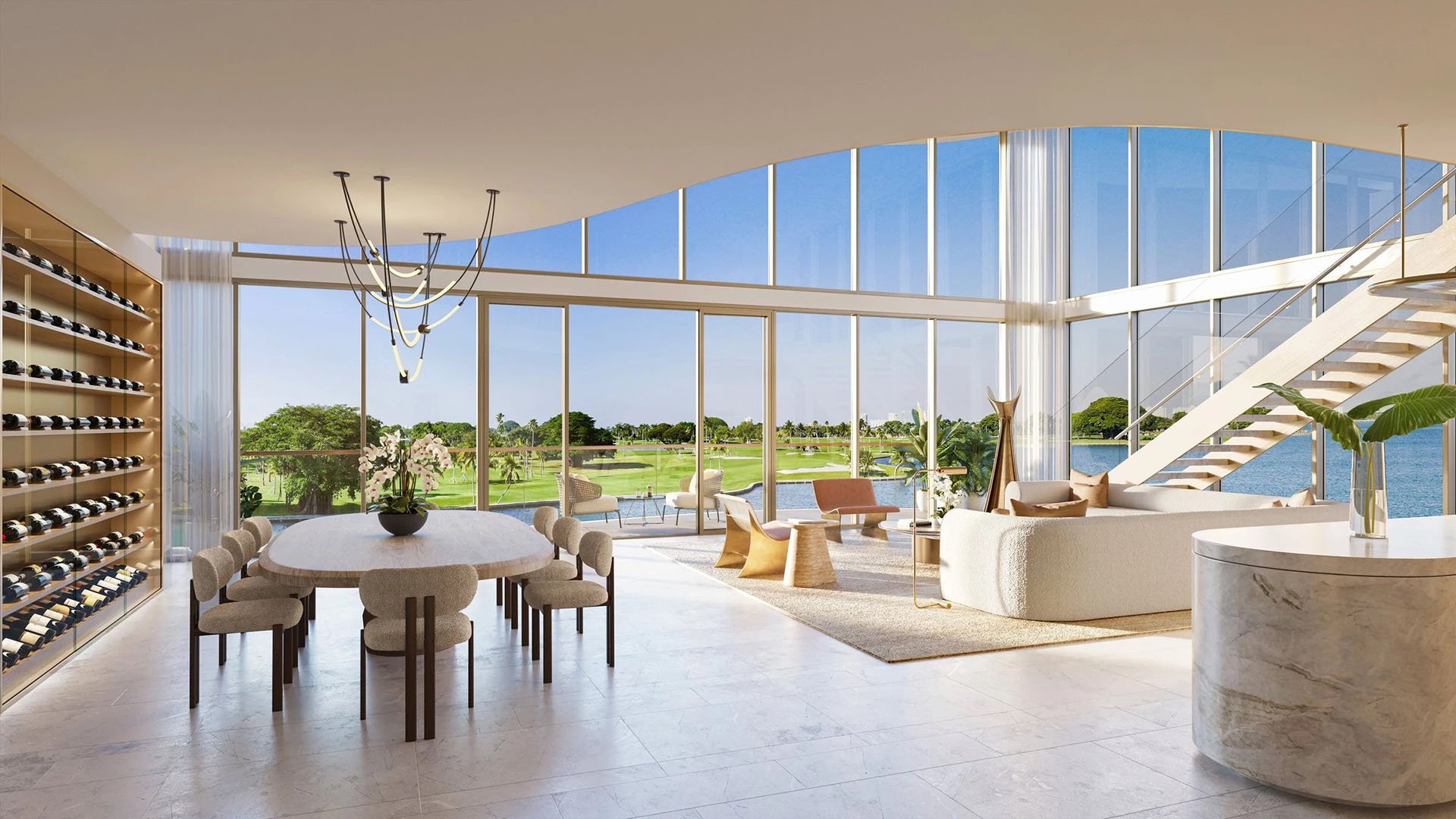
A Las Olas condominium can make an immediate impression through its outlook, elevation, glass, and outdoor space. Those qualities matter, but they do not make every residence within a building equivalent. The selected line can shape light, glare, perceived heat, wind exposure, rain exposure, privacy, balcony use, and dependence on a particular elevator bank.
That is why the residence itself should be reviewed as a distinct proposition rather than treated as a interchangeable part of a desirable address. A buyer should first understand the line, orientation, glazing, terrace configuration, and access pattern, then decide how much value to assign to the view.
The strongest choice is not automatically the highest or largest home. It is the residence whose physical conditions and operating requirements best fit the owner’s routine, tolerance, and intended use.
Request the available stack plan, floor plan, and official condominium materials early in the process. Review the residence’s compass exposure, balcony placement, adjacent spaces, elevator access, and relationship to nearby structures. Curved façades, corner positions, and flow-through layouts can make neighboring lines feel different even when they appear similar in marketing materials.
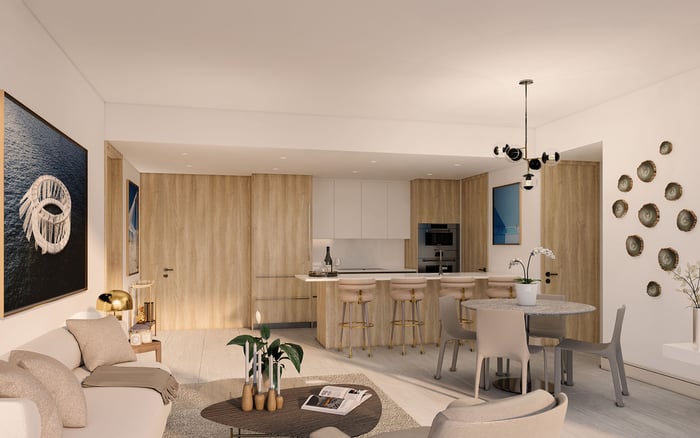
Walk through each major room and note where direct light reaches seating, work surfaces, televisions, art walls, and bedrooms. Check whether shades or other treatments are already installed and ask which changes require association approval. If the residence has more than one exposure, evaluate each side independently rather than assuming conditions are uniform throughout the home.
This line-by-line method also improves comparisons among Fort Lauderdale properties. When touring Four Seasons Hotel & Private Residences Fort Lauderdale and The Ritz-Carlton Residences® Fort Lauderdale, use a consistent checklist so architecture, orientation, and access can be considered on comparable terms.
A bright glass wall can be visually compelling while still requiring closer evaluation. Ask for available records identifying the installed glazing and any later replacement panels, films, coatings, or treatments. Do not assume that appearance alone establishes how the glass will perform or that every panel has the same history.
Return to a serious candidate at a different time of day. During each visit, observe glare on screens, brightness near seating areas, temperature differences close to the glass, shade coverage, and air-conditioning behavior. Open interior doors and spend enough time in the principal rooms to move beyond the first visual impression.
A residence with multiple exposures may warrant separate morning and afternoon visits. The objective is not to eliminate sunlight, but to understand whether the combination of exposure, glazing, shading, and mechanical response suits the buyer’s expectations.
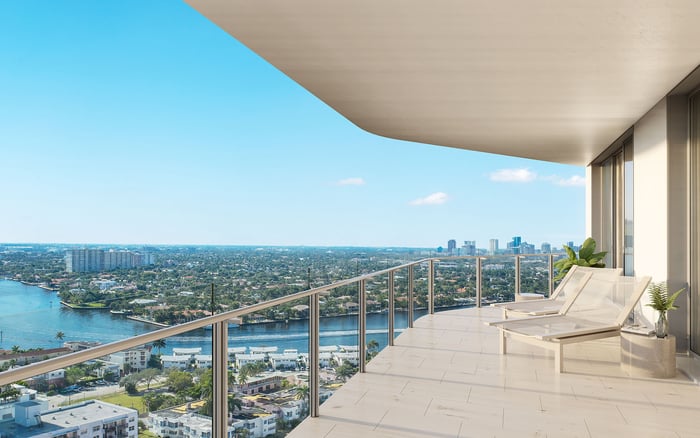
A balcony should be valued according to how it can actually be used. Its view and dimensions are only part of that assessment. Wind, driving rain, door operation, noise, shade, enclosure, furniture placement, and building rules can all affect whether the space functions as an outdoor room.
If conditions permit, visit when the weather differs from the original showing. Sit where furniture would likely be placed, listen near the doors, and consider how exposed items would be managed. Ask for applicable association rules before assigning value to grills, furniture, planters, shades, films, or exterior modifications.
High-floor and mid-floor residences should be compared in similar conditions whenever practical. Elevation may improve an outlook, but the buyer still needs to determine whether the terrace feels comfortable and manageable. A waterfront comparison such as St. Regis® Residences Bahia Mar Fort Lauderdale should receive the same in-person testing rather than a conclusion based solely on photographs or floor level.
Wind-pressure review should extend beyond personal comfort. Request the available records for doors, windows, glazing, and permitted alterations, and have the appropriate professionals interpret technical documents when needed. The purpose is to connect the residence’s visible features with the documentation relevant to the contemplated purchase.
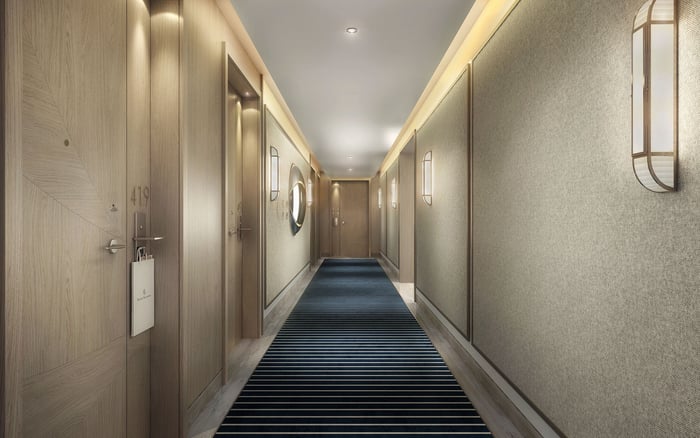
Private elevator access can create a refined arrival, but it also increases the importance of understanding the building’s vertical circulation. Identify the elevator bank serving the selected line, the available alternatives, and the route residents would use during maintenance or an interruption.
Ask management for current information about service arrangements, maintenance procedures, alternative access, and standby-power coverage. Confirm rather than assume which elevators may operate under different conditions. A general reference to backup power does not, by itself, answer how a resident in a particular line would move through the building.
Test the experience during more than one visit. Observe waiting, entry, privacy, guest access, deliveries, and the path between parking, amenities, the lobby, and the residence. Consider whether the arrangement works for daily occupancy, staff, visitors, mobility needs, and periods of maintenance.
A lower-scale alternative such as Sixth & Rio Fort Lauderdale can help a buyer compare different access patterns. The issue is not that one format is universally preferable; it is whether the building’s circulation matches the buyer’s priorities.
A useful review sequence begins with documents and repeats in person. Obtain the available stack and floor information, inspect at different times, request glazing and alteration records, test outdoor areas under varied conditions, and document the elevator and standby-power arrangements relevant to the selected line.
Then read the association materials with the intended use in mind. Rules affecting balcony furnishings, exterior changes, window treatments, access, deliveries, and storm preparation may influence how the residence functions. Questions that matter to the buyer should be resolved through the appropriate documents and qualified advisers before closing.
A protected Las Olas purchase is defined by precision. The view can begin the conversation, but the final decision should account for how light, heat, wind pressure, outdoor space, glazing, and elevator dependence come together in one specific residence.
For discreet guidance on selecting and evaluating an exceptional South Florida residence, connect with MILLION.
If branded residences are on your mind — as a home or as an allocation — we would be glad to share what we are seeing, privately.
Begin a quiet conversationDifferent lines can have distinct orientations, outdoor configurations, privacy conditions, and access patterns. Each residence should be evaluated on its own merits.
A buyer should return at a different time of day from the original showing. Multiple visits can reveal how light and interior comfort change.
Request available records for installed glass, replacement panels, films, coatings, and permitted alterations. Technical documents should be reviewed by an appropriate professional when needed.
Spend time where furniture would be placed and assess wind, rain exposure, noise, shade, and door operation. Review association rules affecting outdoor use.
No. A higher elevation may enhance an outlook, but comfort and practical use still depend on the specific residence and conditions.
Review orientation, balcony placement, adjacent spaces, elevator access, and the line’s relationship to nearby structures.
Different sides of a residence may experience light, glare, wind, and rain differently. One comfortable exposure does not establish conditions throughout the home.
Ask about the bank serving the line, alternative access, maintenance procedures, and the building’s current standby-power arrangements.
Not by itself. Buyers should verify the arrangements that apply to the specific elevator bank serving the residence.
Rules involving furniture, grills, planters, shades, films, storm preparation, and exterior modifications may affect terrace use.