Viceroy Brickell’s advertised wellness amenities invite a closer look at the operating details. Buyers should verify reservation rules, personal-trainer access, and residence-specific acoustic protections before treating the amenity program as part of their daily routine.
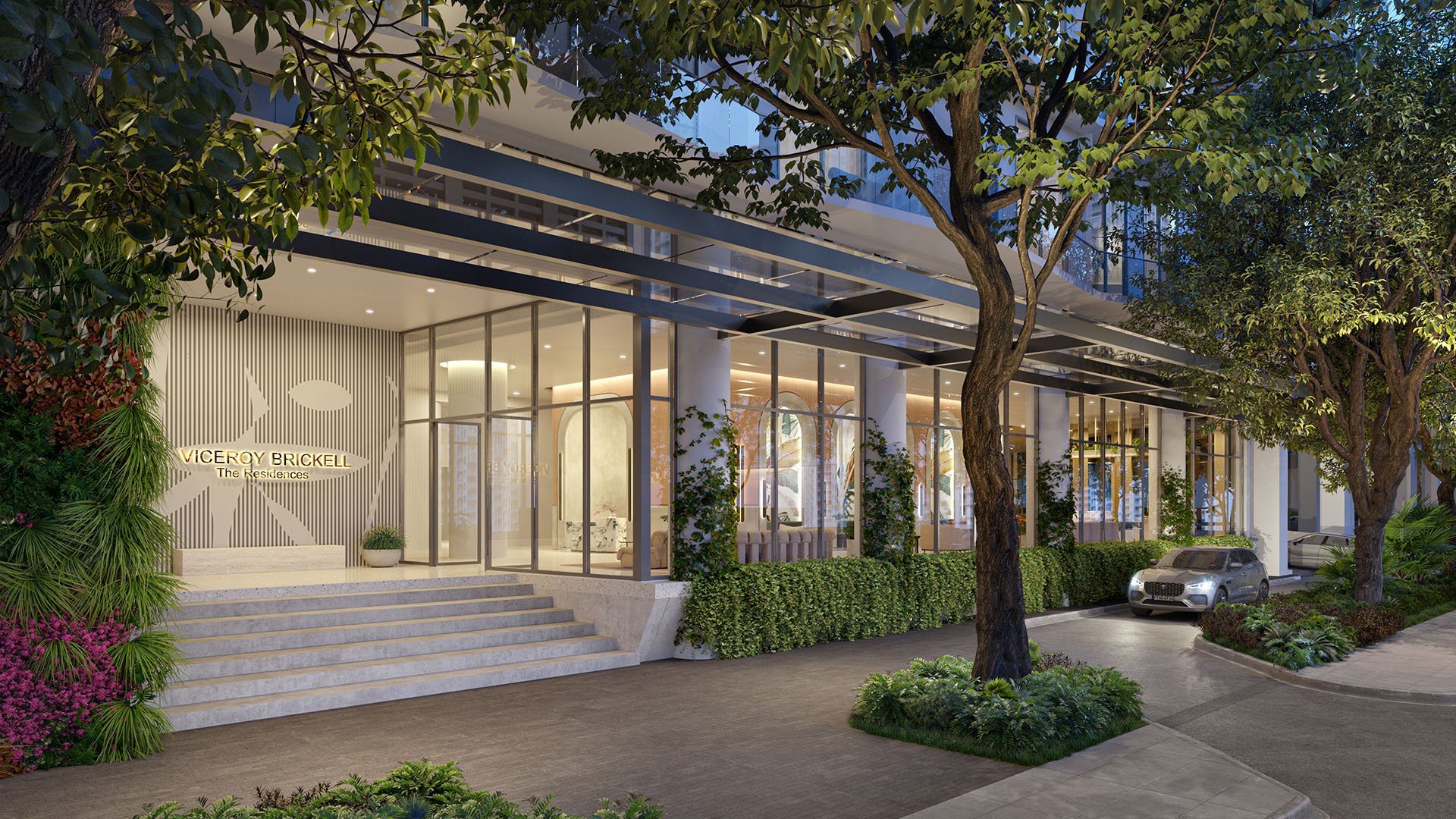
At Viceroy Brickell, marketed at 77 SE 5th Street, Miami, FL 33131, the advertised wellness offering includes an expansive fitness center, a cardio theater overlooking the Miami skyline, and weight training, yoga, and Pilates. A spa and treatment rooms extend the appeal beyond the workout.
For a buyer whose day is structured around fitness, the decisive question is not simply what appears on the amenity roster. It is whether those spaces can be used at the preferred hour, with the preferred trainer, without compromising quiet at home. An amenity description is not an operating policy.
The advertised details do not establish reservation procedures, trainer-approval standards, or acoustic-performance ratings. That does not mean policies or protections are absent. These matters should remain open diligence items until the developer, association, or property manager provides current written documentation.
Begin with the schedule you intend to keep. A resident planning an early cardio session, regular private Pilates instruction, and occasional treatments needs more than confirmation that the spaces exist. Ask management to explain how that routine would work, including booking, access, and payment.
The amenity overview here does not establish reservation requirements for cardio equipment, weight training, yoga, Pilates, treatment rooms, or simulators. Booking platforms, reservation time limits, cancellation rules, guest limits, and peak-hour controls also require confirmation. Assume neither unrestricted access nor mandatory reservations.
Request the current fitness and wellness rules, with written answers covering:
Operating hours and any separate schedules for individual spaces.
Booking procedures, advance-booking windows, session lengths, and cancellations.
Guest access, age restrictions, and equipment-use conditions.
Private-session permissions and any limits during busy periods.
Charges for classes, treatments, training, guests, or exclusive use.
Distinguish between a room and a service. Advertising yoga or Pilates does not, by itself, establish an included class schedule. Likewise, a treatment room does not establish practitioner availability. Ask what is included, what requires a separate appointment, and who provides each service.
For buyers with an established trainer, continuity can matter more than a broad fitness menu. Confirm outside-trainer access before treating the building’s fitness center as a substitute for an existing arrangement.
The amenity overview here does not establish whether personal training is included, separately billed, or limited to building-approved providers. Ask whether there is an approved-trainer roster or preferred fitness vendor. Trainer certification, CPR/AED status, insurance, and outside-provider approval requirements also need confirmation.
Ask whether external trainers are permitted and, if so, what certification, CPR/AED, insurance, background-check, equipment-use, and commercial-access conditions apply. These are questions to resolve, not confirmed Viceroy Brickell requirements. Request the approval procedure, any renewal conditions, and the rules governing private instruction in shared spaces.
Submit your trainer’s information for written review. Confirm whether permission would cover your intended schedule and equipment, rather than merely allowing the trainer to enter as a guest. Distinguish the trainer’s own charges from any building fees.
If Cipriani Residences Brickell is also on your shortlist, use the same trainer-access questionnaire there. Compare each property’s written terms; similar positioning does not establish identical operating rules.
The advertised amenity program also includes a multi-sport and F1 simulator studio, screening room, wine-tasting salon, billiards lounge, and resort-style pool deck. Consider these spaces alongside the fitness center when evaluating a particular residence’s surroundings.
Their presence does not establish a noise problem. Nor does an attractive interior establish acoustic isolation. The amenity overview here does not establish acoustic-performance ratings for fitness spaces, screening rooms, simulators, or residences. It also does not confirm floating floors, vibration mounts, sound-attenuating doors, other dedicated isolation systems, or noise-related operating restrictions.
Request the acoustic consultant’s assessment; relevant wall, floor, ceiling, and door specifications; equipment vibration-isolation details; and any completed sound-testing results. Ask which spaces and residences the documentation covers. A general design statement is not an answer about the home under consideration.
If quiet is central to the purchase, have a qualified acoustic professional interpret the material. Distinguish between what was specified, what was installed, and what has been tested. Ask management separately about operating restrictions and the procedure for addressing noise complaints. Construction details and operating rules answer different questions.
Unit-specific diligence should connect the floor plan to the building’s amenity and service layout. Confirm the residence’s proximity to fitness areas, simulators, the screening room, pool equipment, mechanical rooms, elevators, and service areas. Review spaces above and below the residence, not only those sharing its corridor.
Where access is available, arrange visits at different times while amenities are operating. Spend time in the rooms where quiet matters most, including bedrooms and work areas. Note which nearby facilities were active. A quiet visit should not be mistaken for evidence about conditions that were never observed.
If equipment or amenities are not operating during the inspection, leave that question unresolved and request another opportunity. An inspection can inform the decision, but it should complement-not replace-technical documentation.
For a buyer also considering The Residences at 1428 Brickell, repeat the same residence-specific exercise. Compare the actual homes, their adjacencies, and available documentation rather than drawing conclusions from amenity descriptions alone.
Organize the final review into three files: access, trainer permissions, and acoustic comfort. Each should contain dated documents, written answers from the responsible party, and a short list of unresolved questions. Ask whether the supplied rules are in effect or proposed, and how subsequent changes would be communicated.
Prioritize the details that would change your purchase decision. If a particular training hour, outside instructor, or level of quiet is essential, make that clear early and ask your advisers how the relevant representations should be documented. Do not substitute a verbal assurance for a clear written answer.
Viceroy Brickell’s advertised amenities provide a starting point. Their value to you depends on whether access, service arrangements, and the selected residence support the life you intend to lead.
For a discreet, buyer-focused perspective on South Florida residences, explore MILLION.
If branded residences are on your mind — as a home or as an allocation — we would be glad to share what we are seeing, privately.
Begin a quiet conversationViceroy Brickell is marketed at 77 SE 5th Street, Miami, FL 33131, in Brickell.
The advertised program includes an expansive fitness center with a skyline-facing cardio theater, weight training, yoga, and Pilates. The wellness offering also includes a spa and treatment rooms.
Reservation requirements are not established by the amenity overview here. Obtain the current written rules before assuming either open access or mandatory booking.
Ask management about the booking platform, advance-booking windows, session limits, cancellation rules, guest limits, and peak-hour controls. Request the applicable procedures in writing.
The amenity overview here does not establish whether personal training is included, separately billed, or restricted to approved providers. Confirm both service charges and any building fees in writing.
Outside-trainer permission remains a diligence item in this guide. Request written approval terms before relying on access for your existing trainer.
Ask about certification, CPR/AED status, insurance, background checks, and equipment-use or commercial-access conditions. These are diligence questions, not confirmed building requirements.
This guide does not establish acoustic-performance ratings or confirm dedicated isolation systems. That does not mean acoustic protections are absent.
Request the acoustic consultant’s assessment, relevant wall, floor, ceiling, and door specifications, vibration-isolation details, and completed sound-testing results. Confirm how the material relates to the selected residence.
Confirm proximity to amenities, pool equipment, mechanical rooms, elevators, and service areas, including spaces above and below. Visit during amenity operation at different times and consider professional acoustic review where quiet is essential.