The choice between attentive staffing and a quieter boutique setting is both personal and financial. For South Florida condominium buyers, the essential comparison separates everyday operations, optional services, structural reserves, and potential assessment exposure.
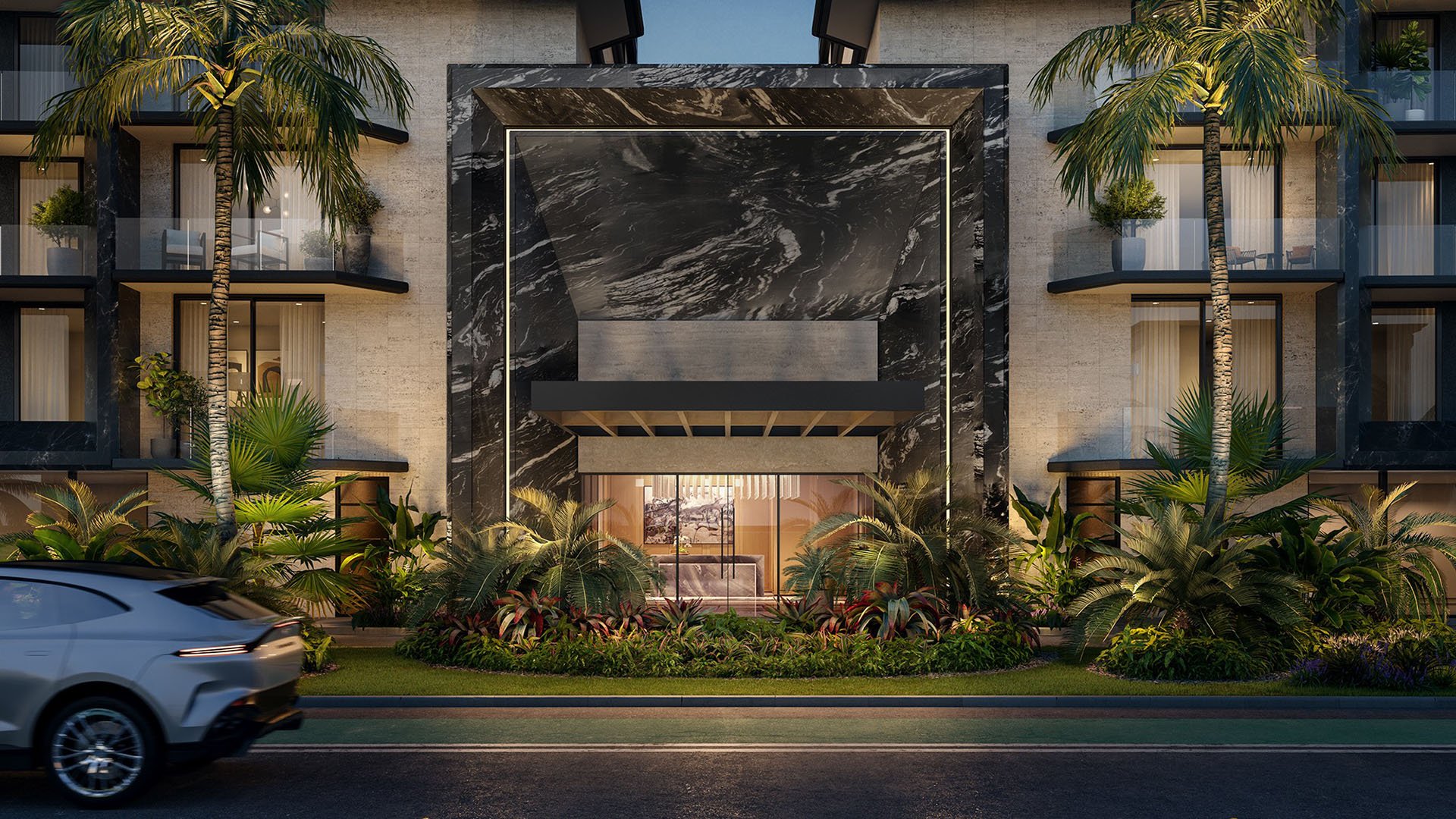
For a South Florida buyer, luxury can mean a familiar concierge anticipating an arrival or a discreet entrance with minimal interaction. Neither preference is inherently more sophisticated. The purchase decision becomes clearer when the desired experience is separated from the financial structure that supports it.
A full-service residence may include concierge, valet, security, housekeeping, and other personnel in its operating budget. A privacy-first boutique residence warrants equally close scrutiny: fewer discretionary amenities do not establish lower assessments, and a quieter atmosphere says little about structural funding. The question is not simply what the building charges, but what the buyer must fund, may choose to purchase, and could later be asked to contribute.
Whether considering Cipriani Residences Brickell or another Brickell address, begin with the unit's actual financial obligations rather than assumptions attached to its name.
The monthly assessment combines several commitments. Request the unit's allocation of staffing, insurance, utilities, management, amenity operations, and reserve contributions. Each category answers a different question: what sustains daily life, what supports the chosen lifestyle, and what prepares the association for future work.
Amenity costs can include pool maintenance and staffing, fitness-equipment upkeep and management, and spa operations. Distinguish the cost of maintaining access from any charge for using a particular service. A staffed setting does not mean every resident request is included.
Ask separately about housekeeping, dining, spa treatments, transportation, storage, and other personal services. Before estimating annual ownership costs, confirm which charges are mandatory, which are optional, and what is included.
Use the current budget and the allocation for the residence being purchased rather than a broad luxury-market benchmark to estimate monthly assessments.
The case for high-touch staffing is strongest when the buyer genuinely values and expects to use the support. Consider an ordinary week rather than a presentation-day impression. Which interactions would make daily life easier? Which amenities would become routine? Which would remain attractive but largely unused?
For a buyer evaluating Four Seasons Residences Coconut Grove, those questions should lead to a property-specific review of included services, staffing arrangements, and optional charges. The project name alone should not settle the cost analysis.
The same discipline applies throughout Coconut Grove and beyond: distinguish the preference for having assistance available from the likelihood of purchasing additional services. Both can be valid reasons to choose a home, but they belong in different parts of the budget.
Service use and privacy are personal preferences, not established resale premiums. Choose the experience for its usefulness to you, without assuming a future purchaser will value it the same way.
Privacy-first living deserves a positive definition, not merely the absence of a long amenity menu. Specify the level of interaction, assistance, and shared activity you want. Then ask whether the proposed operating model delivers that experience at a cost you find justified.
When reviewing Alana Bay Harbor Islands alongside other candidates, apply the same budget questions rather than inferring expenses from scale or presentation. Request the service schedule and financial documents before deciding whether a residence suits a quieter ownership style.
A shorter menu of discretionary services does not remove insurance, utilities, management, or structural-reserve obligations. Nor does a modest headline assessment establish that future work is adequately funded. Boutique should describe the experience being sought, not serve as shorthand for inexpensive ownership.
The strongest comparison places each candidate's mandatory operating charges, reserve contributions, and anticipated personal-service spending side by side.
Florida's Structural Integrity Reserve Study requirements generally apply to residential condominium buildings with three or more habitable stories, regardless of service model. Qualifying condominium and cooperative buildings must obtain a SIRS at least every 10 years. Based on a visual inspection, the study evaluates the reserve funding needed for future major repairs and replacement of common areas.
Covered components include roofs, load-bearing structural elements, fire-protection systems, plumbing, electrical systems, waterproofing, and windows and exterior doors where applicable to association-maintained property.
A large reserve balance is not, by itself, evidence of adequacy. Compare available cash with projected repairs and the funding schedule. Ask what work is anticipated, when funds will be needed, and how planned contributions align with that timetable.
For a Miami Beach purchase, including consideration of The Perigon Miami Beach, the review must remain property-specific. Neither design appeal nor the service offering substitutes for examining the applicable reserve obligations and funding documents.
Milestone inspections generally apply at 30 years of age and every 10 years thereafter for qualifying Florida condominium and cooperative buildings with three or more habitable stories. Local enforcement agencies may require the initial inspection at 25 years because of local conditions, including environmental exposure.
Check the certificate-of-occupancy date, local requirements, and completed inspection documentation rather than relying solely on advertised age. An inspection and a reserve study answer related but different questions; neither provides a blanket assurance against future costs.
Completing an inspection does not eliminate funding exposure. Required repairs can still necessitate higher regular assessments, special assessments, borrowing, or a combination of funding methods.
Florida's 2025 HB 913 changes addressed the habitable-story threshold and coordination of reserve studies with inspection-related repairs. Before relying on a compliance timetable, confirm the property's applicable requirements and deadlines with Florida condominium counsel and the local building authority.
Request five years of budgets and meeting minutes where available, together with financial statements, insurance records, the SIRS, milestone inspection documentation, and details of current or contemplated special assessments. Read them together: the current assessment is only one part of the ownership picture.
Organize the decision into three layers. First, identify mandatory recurring costs and planned reserve contributions. Second, estimate the optional services you expect to use. Third, examine potential repair funding that may fall outside today's regular assessment. Keep unresolved amounts visible rather than treating them as zero.
The objective is not automatically the lowest fee or the longest service menu. It is a residence whose daily experience, recurring commitments, and capital needs you understand well enough to choose deliberately.
Explore South Florida residences with MILLION to refine a shortlist around your service preferences and ownership priorities.
If branded residences are on your mind — as a home or as an allocation — we would be glad to share what we are seeing, privately.
Begin a quiet conversationNo. Fewer discretionary amenities do not establish lower assessments, and boutique buildings can still have substantial operating and structural-reserve obligations.
Operating budgets may include concierge, valet, security, housekeeping, and other resident-service personnel. Confirm the actual staffing allocation for the residence being considered.
Ask about housekeeping, dining, spa treatments, transportation, storage, and other personal services. Confirm which are included, optional, or subject to mandatory charges.
Use the current association budget and the allocation for the unit being purchased. Keep optional personal-service spending separate from mandatory charges.
A SIRS evaluates reserve funding needed for future major common-area repairs and replacement, based on a visual inspection. Covered components include structural elements, roofs, and specified building systems.
Requirements generally apply to residential condominium buildings with three or more habitable stories. Qualifying condominium and cooperative buildings must obtain a SIRS at least every 10 years.
For qualifying buildings, milestone inspections generally begin at 30 years and recur every 10 years. Local enforcement agencies may require an initial inspection at 25 years because of local conditions.
No. Required repairs may still need funding through higher regular assessments, special assessments, borrowing, or a combination of methods.
Compare available reserve cash with projected repairs and the funding schedule. A large balance alone does not establish that future obligations are adequately funded.
Request five years of budgets and meeting minutes where available, financial statements, insurance records, SIRS and milestone inspection documentation, and current or contemplated special assessment details.