A discreet closing guide for Palm Beach Residences buyers, focused on lender acceptance of insurance, transaction-specific cash-to-close confirmation, and the questions that clarify same-day funding readiness.
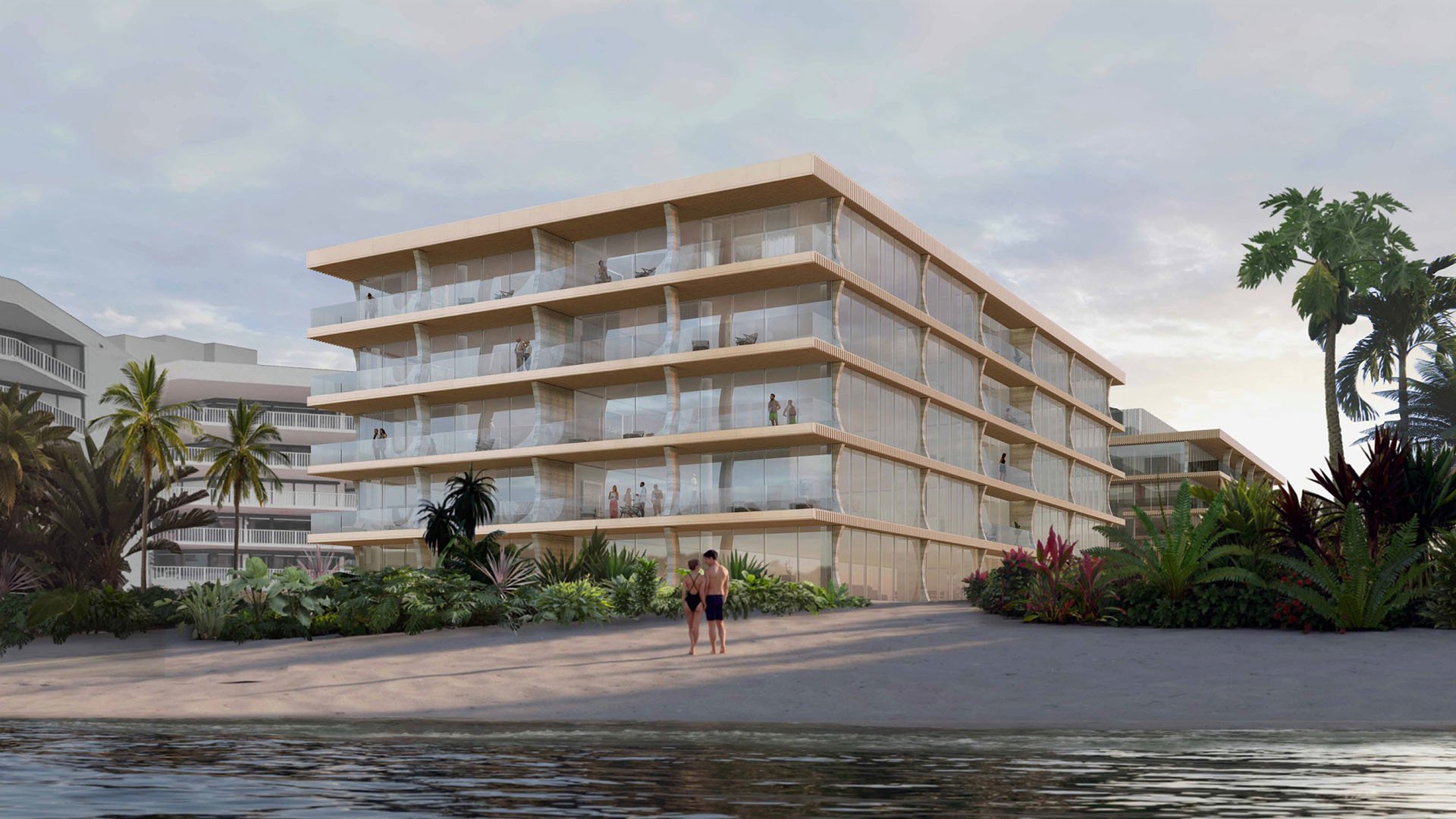
For a buyer considering Palm Beach Residences, closing preparation deserves the same attention as the residence itself. The objective is to align insurance acceptance, the amount required to close, and the conditions for releasing loan funds. Confirm each for the actual purchase rather than infer it from another transaction.
The insurance principles here are general Florida mortgage-closing considerations, not a statement of Palm Beach Residences policies. Confirm project-specific obligations through the purchase documents, lender, and closing team. The distinction matters: a preparation checklist is not a contractual promise that funding or possession will occur on a particular day.
For Palm Beach buyers, precision begins with three separate questions: has coverage been arranged, has the lender accepted it, and has the closing team confirmed the financial instructions? A positive answer to one does not answer all three.
An insurance binder provides temporary written proof of coverage before full policy documents are issued. Florida mortgage lenders generally require evidence that homeowners insurance will be active by closing before releasing loan funds. The binder therefore belongs in the funding conversation, not merely in the buyer’s personal records.
Review the property identification, named insureds, effective date, coverage limits, deductibles, premium status, and lender’s mortgagee clause. Mortgagee information and the loan number should follow the lender’s instructions exactly. Small discrepancies in those fields can delay underwriting or funding.
Coverage should begin no later than closing, with the effective date coordinated with the lender and closing team. Ask the insurance agent to deliver the binder to the lender, then confirm both receipt and acceptance. Issuance alone does not eliminate review of limits, premiums, deductibles, or other insurance-related conditions.
The meaningful milestone is not simply having a document in hand. It is knowing that the lender has accepted it and whether any insurance condition remains unresolved.
The named insured deserves particular attention when a trust or entity is involved. The ownership structure and insured names require lender review; buyers should not assume that a preferred vesting arrangement automatically produces acceptable insurance wording. Ask the lender and insurance agent to resolve that wording together before the closing timetable becomes compressed.
Dwelling coverage must also satisfy the lender’s replacement-cost requirements rather than simply reflect the buyer’s preferred limit. Focus the discussion on what the lender requires for the property and proposed financing, and confirm that the submitted coverage meets those requirements.
For a buyer also considering Alba West Palm Beach, ask the same diligence questions independently. An accepted arrangement for one purchase should not substitute for review of another. This is a transaction-specific discipline, not a claim that different residences share insurance requirements.
Waterfront purchases call for careful attention to the coverage terms presented to the lender. Coastal-property insurance review may include wind, hurricane, named-storm, flood, and other deductibles. Ask which terms require acceptance and whether any coverage questions remain open.
Flood coverage may require separate evidence of insurance when the property’s flood risk or lender requirements make it necessary. The question is not whether one document appears comprehensive, but whether the lender has received and accepted all evidence required for this loan.
Complete these arrangements early enough to address inspection, deductible, mortgagee-information, or coverage issues. Unfinished inspections and unresolved coastal terms can jeopardize the closing timetable. Instead of seeking general reassurance that insurance is arranged, request a specific account of outstanding items and who is responsible for resolving each one.
Insurance affects both the closing budget and loan qualification. Financed purchases commonly require the first year’s premium to be prepaid at closing alongside an initial insurance escrow reserve. The final premium also affects the monthly payment used for mortgage qualification, so a revised premium can matter beyond the immediate amount due.
Ask the lender and closing team to confirm the final premium, its payment status, and how prepaid insurance and any initial reserve appear in the transaction’s figures. If a premium has already been paid, confirm how that payment is reflected. The aim is to understand the entries, not reconstruct the closing amount from an informal estimate.
For broader cash-to-close reconciliation, ask the closing team to explain how deposits, applicable credits, prorations, association-related amounts, and loan proceeds are reflected in the actual closing documents. These are verification questions, not a universal calculation or an assertion that every category applies.
A comparison with Forté on Flagler West Palm Beach should preserve that distinction: project selection and closing reconciliation are separate exercises. Request figures for the specific purchase rather than borrow assumptions from another residence.
Treat same-day funding as a set of confirmations, not an expectation created by a scheduled signing. Insurance acceptance is an important dependency: unresolved coverage or inspection issues can disrupt the timetable. A binder does not, by itself, establish that all funding conditions have been satisfied.
Ask the lender to identify remaining insurance conditions and explain what confirmation will establish acceptance. Separately, ask the closing team for transaction-specific funding instructions, applicable deadlines, and the procedure to follow if funds cannot be released as anticipated.
Questions about wire timing, cleared funds, recording, extensions, and possession should be answered by the parties responsible for the transaction and its documents. Do not assume a standard cutoff, automatic extension, or right to possession. Have counsel clarify any proposed contingency and its contractual effect before relying on it.
Whether the search remains in Palm Beach or includes Mr. C Residences West Palm Beach, the closing discipline is consistent: distinguish general preparation from confirmed requirements for the selected residence.
Before the scheduled closing, seek a concise status review covering accepted insurance, unresolved conditions, the confirmed amount required, and funding instructions. Keep unanswered questions visible until the responsible professional resolves them. An elegant purchase experience rests on clear responsibilities and documented answers, not assumptions about what a prestigious address implies.
Explore Palm Beach and South Florida residences with MILLION.
If branded residences are on your mind — as a home or as an allocation — we would be glad to share what we are seeing, privately.
Begin a quiet conversationAn insurance binder provides temporary written proof of coverage before full policy documents are issued. It does not, by itself, establish lender acceptance or funding approval.
Coverage should begin no later than closing. Coordinate the effective date with the lender and closing team.
Review the property identification, named insureds, effective date, limits, deductibles, premium status, and mortgagee clause. Mortgagee information and the loan number should match the lender’s instructions exactly.
The named insured and ownership structure require lender review, particularly when a trust or entity is involved. Resolve the proposed wording with the lender and insurance agent.
Dwelling coverage must satisfy the lender’s replacement-cost requirements. A buyer’s preferred limit alone does not establish that the coverage is acceptable.
Separate evidence may be necessary when the property’s flood risk or lender requirements make flood coverage necessary. Confirm what the lender requires for the specific loan.
Financed purchases commonly require a prepaid first-year premium and an initial insurance escrow reserve. Ask the closing team to confirm how these amounts and any premium already paid are reflected.
Insurance premiums affect the monthly payment used for mortgage qualification, making the final premium relevant to approval as well as closing costs.
Do not treat a scheduled signing as confirmation that funding conditions are satisfied. Ask the lender and closing team to confirm outstanding conditions and transaction-specific funding instructions.
The insurance principles are general Florida mortgage-closing considerations. Confirm project-specific obligations, deadlines, and any funding contingency through the purchase documents, lender, closing team, and counsel.