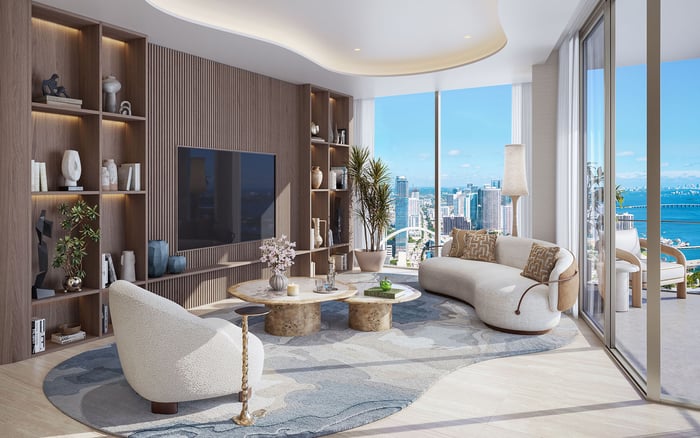
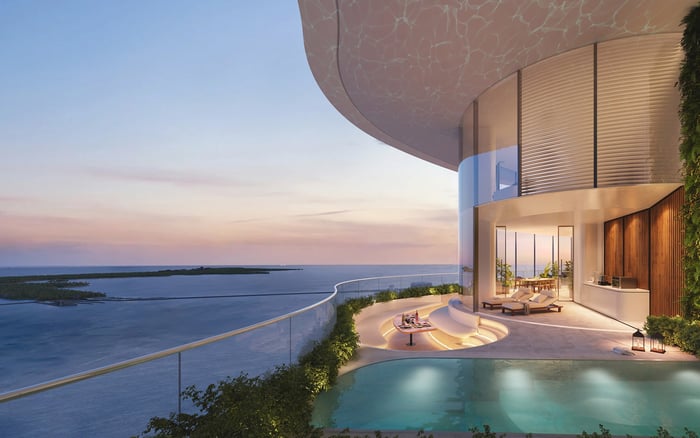
At Frida Kahlo Wynwood Residences, window-related due diligence should move beyond the rendering to written specifications, component warranties, replacement logistics, and responsibility for special-order costs.
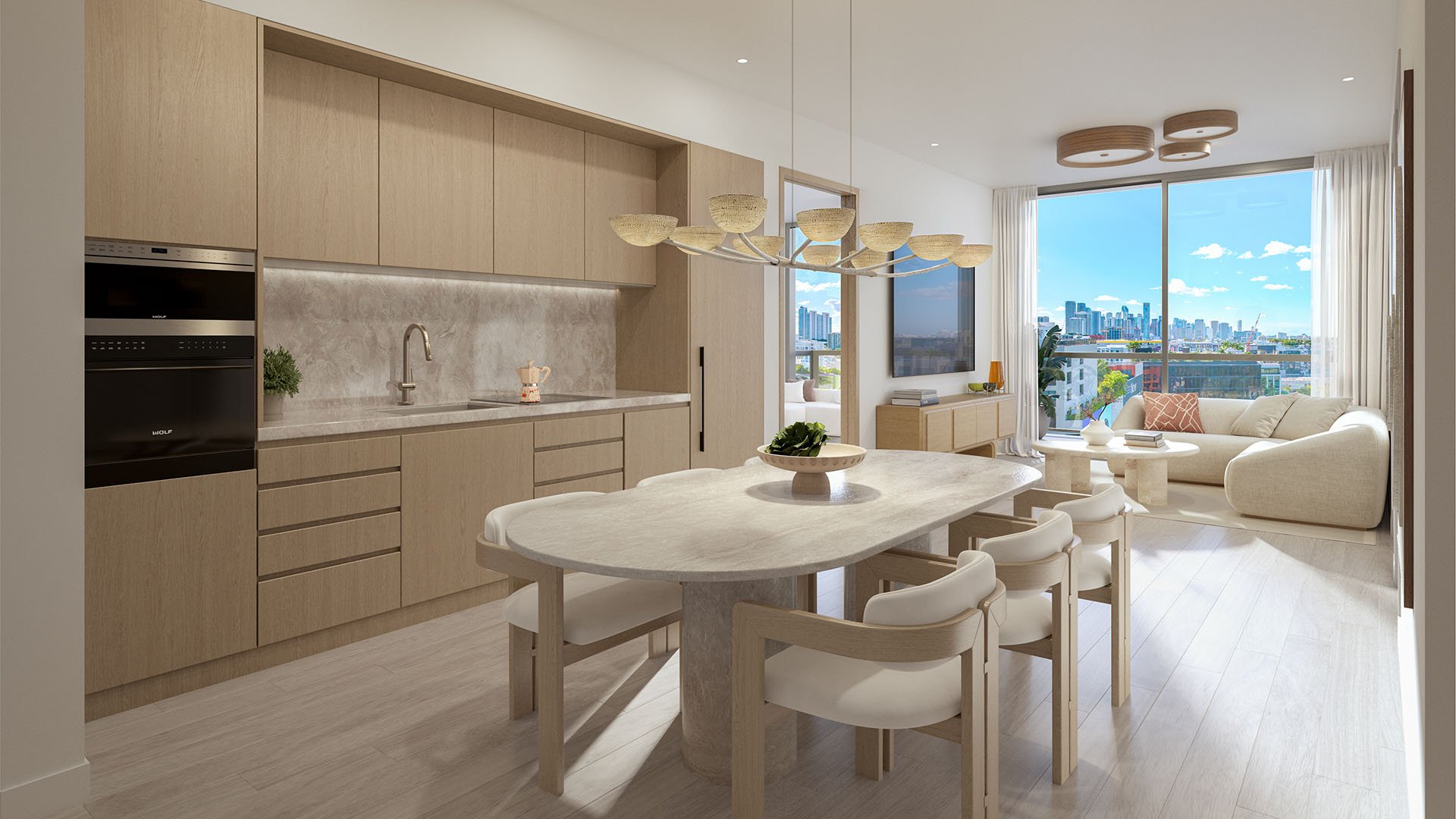
For a luxury condominium buyer, glazing deserves the same scrutiny as the floor plan. At Frida Kahlo Wynwood Residences, the questions are precise: which window assembly will be delivered, which obligations survive closing, and how would a damaged pane be replaced without leaving responsibility unresolved?
The planned 244-unit condominium at 119 NW 29th Street in Miami’s Wynwood neighborhood is being developed by PMG and LNDMRK Development. As of January 2026, groundbreaking was expected in fall 2026-not guaranteed. Buyers should distinguish that expectation from a contractual milestone.
The central distinction is between an undisclosed term and an absent protection. A project-specific window-wall warranty duration, guaranteed glass-replacement lead time, and post-warranty special-order payment arrangement have not been publicly established. That does not mean such provisions do not exist. It means buyers need the applicable written documents before treating any protection as part of the purchase.
The project’s disclosure expressly permits variations in unit orientation and window number, size, orientation, and awnings. It also allows changes to balcony or lanai configuration, size, railings or balustrades, as well as structure and mechanical chases. A marketing floor plan is therefore not confirmation of the final window configuration.
Request the window and glazing schedule for the residence, along with approved product data and permitted substitutions. If the final schedule is not yet available, ask when it will be issued and how changes will be communicated. Review the purchase agreement, addenda, and condominium documents together rather than relying on a sales illustration alone.
For a buyer also considering The Residences at 1428 Brickell, the useful comparison is documentary: apply the same specification questions to each purchase, without assuming that another Brickell address establishes a warranty benchmark for Wynwood.
A reference to a window warranty says too little about its scope. The window-wall manufacturer, glazing manufacturer, installer, and warranty administrator have not been publicly identified. Separate coverage for frames, glazing, seals, hardware, anchors, perimeter sealants, waterproofing, and installation labor has not been publicly established either.
Ask for a component-by-component warranty schedule identifying the responsible party, duration, commencement date, exclusions, and claim procedure. Clarify developer obligations separately from manufacturer and installer obligations. Request the applicable certificates rather than relying on a general description of coverage.
The review should address assignment to an owner or association, notice deadlines, required maintenance, and records needed to preserve a claim. Ask who receives the initial notice and who coordinates inspection when the cause is disputed.
These are requests for clarity, not assertions about defects or exclusions at the project. The objective is to replace broad reassurance with an identifiable obligation and a clear process for obtaining assistance.
A replacement-glass promise must be considered alongside the work required to complete the repair. Ask whether the applicable coverage includes removal, installation labor, access equipment, perimeter work, interior repairs, and painting. Each item should have an identified payer or an explicit explanation of how responsibility is determined.
Distinguish a covered product defect from accidental damage and other potential claims. Do not assume one warranty addresses every scenario or that insurance automatically fills any gap. An insurance benefit for these costs has not been publicly established for the project.
Request written clarification of who authorizes work, who pays initial charges, and whether reimbursement requires advance approval. If the owner and association have different responsibilities, ask counsel to trace that division through the condominium documents. Financial clarity requires understanding the full repair, not merely whether a replacement pane is supplied.
Replacement specifications remain a question for the written documents. It has not been publicly established whether replacement glass must be factory-matched, laminated, impact-rated, tinted, low-emissivity, acoustically rated, or special-ordered. None of these characteristics should be treated as a confirmed project specification without supporting documentation.
Ask which dimensions, tint, coatings, laminates, and performance requirements must be reproduced. Clarify who approves an acceptable match and how permitted substitutions are evaluated. If an owner selects an upgrade, establish whether that choice changes replacement responsibility or warranty treatment.
For someone comparing the Wynwood purchase with The Perigon Miami Beach, the same discipline applies: request each property’s own matching requirements. A Miami Beach alternative is not evidence that the projects share glazing systems, suppliers, or replacement arrangements.
The buyer’s concern is straightforward: define an acceptable replacement before a future repair forces that decision under pressure.
No guaranteed glass-replacement lead time has been publicly established. Request standard and expedited estimates, but distinguish an estimate from an enforceable commitment. Ask what event starts the quoted period and which steps fall outside it, including inspection, approval, fabrication, delivery, and installation scheduling.
Then test the practical arrangements. Are approved replacement vendors identified? Will spare panes be stored locally, and would they match the residence’s final specifications? Who arranges temporary boarding and weather protection, and who bears those costs? These are matters to confirm, not services to presume.
Special-order coverage requires a separate answer. It has not been publicly established whether the developer, association, owner, or insurer pays for special-order replacement glazing after the warranty period. Ask for that allocation in writing, including the treatment of custom dimensions, specialty coatings, matching requirements, and owner upgrades. A replacement plan remains incomplete until payment responsibility is clear.
Before signing, have Florida condominium counsel review document precedence, variation clauses, warranty exclusions, and construction-defect remedies. Ask counsel to distinguish binding commitments from descriptive materials and identify unresolved window-related matters that warrant written clarification.
The closing and handover file should include the applicable final schedule, approved product data, maintenance manuals, warranty certificates, and association claim procedures. If a document will arrive later, request a clear account of who will provide it and when. Keep written answers with the purchase documents so the eventual owner need not rely on recollection.
A sound purchase decision does not rest on an assumed warranty term or an optimistic replacement timetable. It rests on knowing what is specified, what may change, who responds, and who pays.
For a discreet perspective on South Florida luxury ownership, explore MILLION.
If branded residences are on your mind — as a home or as an allocation — we would be glad to share what we are seeing, privately.
Begin a quiet conversationThe planned 244-unit condominium is at 119 NW 29th Street in Miami’s Wynwood neighborhood. Its developers are PMG and LNDMRK Development.
No. Fall 2026 was the expected groundbreaking identified in January 2026, not a guaranteed construction date.
No. The project disclosure allows variations in window number, size, orientation, and awnings, so buyers should request the applicable final schedule.
Publicly disclosed materials do not establish a project-specific duration. Buyers should obtain written terms stating the duration, commencement date, exclusions, and responsible parties.
The public materials addressed here do not identify the window-wall manufacturer, glazing manufacturer, installer, or warranty administrator. Request those identities with the applicable warranty documents.
That coverage is not established by the disclosed materials. Ask separately about removal, reinstallation, access equipment, interior repairs, and painting.
No guaranteed timetable is established by the publicly disclosed materials. Request standard and expedited estimates and clarify whether either is a binding commitment.
The disclosed materials do not establish those requirements. Obtain written specifications covering dimensions, tint, coatings, laminates, performance, and permitted substitutions.
The publicly disclosed materials do not establish whether that responsibility falls to the developer, association, owner, or insurer. Seek a written allocation rather than assuming coverage.
Ask Florida condominium counsel to examine the purchase agreement, addenda, and condominium documents for precedence, variation clauses, warranty exclusions, and construction-defect remedies.