For EDITION Edgewater buyers, insurance due diligence should connect the building’s reconstruction valuation, code-upgrade protection, and residence-specific interiors. The essential task is written coordination between the association’s coverage and the owner’s policy, not assumptions based on branding or finish quality.

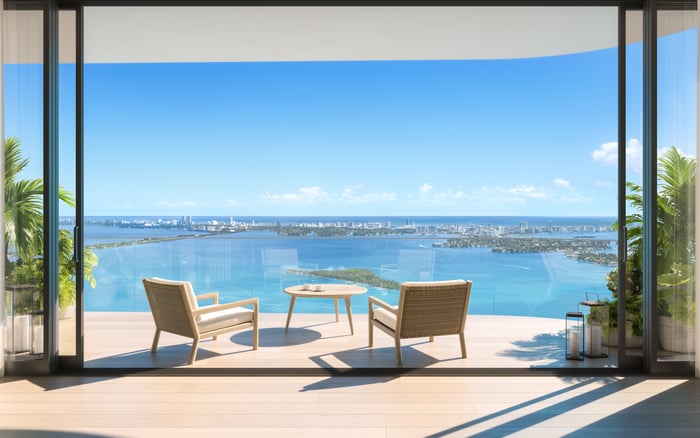
At EDITION Edgewater, the acquisition conversation naturally begins with the setting: a planned 185-residence, 55-story condominium at 2121 Biscayne Boulevard, with 800 linear feet of waterfront. Completion is projected for 2029, not guaranteed. For a purchaser considering a carefully specified residence, insurance deserves the same attention as the floor plan and finish schedule.
The central question is not simply whether the association will carry insurance. It is how the building will be valued, which code-driven rebuilding expenses the program will cover, and where responsibility for the residence’s interiors begins and ends.
Final master-policy limits, deductibles, valuation terms, ordinance-and-law limits, and the treatment of residence-specific upgrades remain unconfirmed. That does not demonstrate an insurance deficiency. It defines the document-review agenda: obtain the operative terms before treating any component as insured.
Begin by requesting a current replacement-cost appraisal, policy declarations, complete forms, and valuation endorsements. Ask the association’s insurance adviser to explain how the insured value relates to the property described in the appraisal and which reconstruction expenses the valuation includes.
The review should expressly address replacement cost versus actual cash value, agreed-value provisions, coinsurance, and any margin conditions. Request a written explanation of how each applicable provision would affect a claim. A large declared limit is not a complete answer.
Reconstruction assumptions deserve separate scrutiny. Ask how the proposed or operative program addresses demolition, debris removal, professional fees, permitting, inflation, and an extended rebuilding timeline. Identify which expenses fall within the principal limit, which have separate limits, and which require endorsements. These are questions for review, not verified features of EDITION’s insurance.
For buyers also considering Aria Reserve Miami, apply the same document standard independently. A useful comparison examines each property’s valuation assumptions and policy terms without presuming equivalent protection.
Building ordinance-and-law coverage addresses code-required reconstruction costs. The inquiry should therefore go beyond whether the policy contains an endorsement bearing that name.
Request the terms addressing loss to an undamaged portion, demolition costs, and increased construction costs. Have the broker identify the applicable limits, triggers, and exclusions, including whether any limits are shared. Written answers should distinguish the cost of replacing damaged property from the cost of additional work required by applicable reconstruction rules.
A practical test is a hypothetical major partial loss that requires code upgrades. Ask the broker to walk through the sequence: what property is damaged, what additional work becomes necessary, which provisions respond, and what remains payable outside insurance. The exercise does not require an assumed dollar amount to be useful.
For a planned condominium, clarify which documents describe anticipated coverage and which reflect coverage actually in force. Revisit unresolved questions when operative policies become available. An early summary should not stand in for final terms.
EDITION’s bayfront setting makes coordinated questions about wind, flood, deductibles, and ordinance-and-law provisions particularly relevant. Ask the broker to explain how those elements interact within the actual insurance program. Do not infer flood protection, a particular wind deductible, or a specific code-upgrade limit from the location or the building’s positioning.
The objective is a written account of the hypothetical loss, including any amounts the association or owner might need to fund. Request deductible schedules alongside the policy forms so the discussion extends beyond coverage limits.
A buyer weighing Villa Miami alongside EDITION should request that property’s own scenario review. This is a consistent purchasing discipline, not a suggestion that the projects share insurers, deductibles, or coverage gaps.
Florida’s condominium-insurance framework provides the essential starting point. Association property insurance must provide primary coverage for condominium property as originally installed, or replacement of like kind and quality consistent with original plans and specifications, subject to statutory exclusions. Qualifying alterations or additions approved through the prescribed process also fall within the statutory requirement.
The exclusions are critical. The association’s property policy must exclude personal property within a unit or limited common element. Specified interior exclusions include floor, wall, and ceiling coverings; electrical fixtures; appliances; water heaters; water filters; built-in cabinets and countertops; and window treatments within the unit and serving only that unit.
An original developer finish is not automatically master-policy property. Flooring or cabinetry does not escape a statutory exclusion simply because it appears in the original sales package.
Bespoke work requires a further distinction. The association is not obligated to fund reconstruction or repairs of owner- or developer-installed improvements benefiting only one unit when they are not standard improvements installed across all units as part of original construction. Luxury flooring, custom cabinetry, upgraded countertops, specialty lighting, and window treatments should therefore not be assumed covered by the master policy.
Translate those distinctions into a room-by-room inventory. Collect original plans, finish schedules, upgrade records, alteration approvals, and replacement estimates for significant interior components. Separate original condominium property, excluded interiors, and residence-specific improvements rather than grouping everything under furnishings.
Ask the owner’s insurer to confirm the appropriate building-property or improvements coverage for those components. A contents limit alone does not confirm that installed finishes are protected. The owner’s policy and master policy serve different roles, with owners typically addressing personal property, interior improvements, personal liability, and exposures outside the association’s coverage.
For each major component, request written confirmation of the responsible insurer and applicable terms. Have the insurance advisers review this allocation alongside the condominium declaration, policy forms, endorsements, and deductible schedules. Seek legal review where responsibilities require interpretation.
Florida requires residential condominium unit-owner policies to include at least $2,000 in property loss-assessment coverage for qualifying assessments resulting from covered direct property losses. The deductible for that coverage may not exceed $250.
Those figures are a statutory floor-not evidence that every assessment is insured or that the minimum is sufficient for an EDITION residence. Ask the owner’s broker to explain covered assessment scenarios, exclusions, available limits, and how the coverage relates to the association’s program.
The strongest closing file connects three elements: the building’s reconstruction valuation, its code-related rebuilding protection, and the owner’s documented interior exposure. The goal is not an assurance that every loss will be paid. It is a clear understanding of who insures what, under which terms, and where the buyer retains financial responsibility.
For a discreet conversation about evaluating an Edgewater residence, connect with MILLION.
If branded residences are on your mind — as a home or as an allocation — we would be glad to share what we are seeing, privately.
Begin a quiet conversationThe project is planned as a 185-residence, 55-story condominium at 2121 Biscayne Boulevard in Miami’s Edgewater neighborhood, with 800 linear feet of waterfront.
No. The expected completion year is projected for 2029 and should not be treated as a guaranteed delivery commitment.
No. Final master-policy limits, deductibles, valuation terms, ordinance-and-law limits, and treatment of residence-specific upgrades remain unconfirmed and require review of operative documents.
No actual deficiency is established. Project-specific protection remains a matter for review of operative policies and related documents.
Request a current replacement-cost appraisal, declarations, full policy forms, and valuation endorsements. Ask the broker to explain replacement cost versus actual cash value, agreed-value provisions, coinsurance, and margin conditions.
Review terms for loss to an undamaged portion, demolition costs, and increased construction costs. Ask about limits, triggers, exclusions, and a hypothetical partial loss requiring code upgrades.
No. Original-package status does not override statutory exclusions for items such as floor coverings, built-in cabinets, countertops, appliances, and window treatments serving only the unit.
Inventory and price them room by room, retaining finish schedules, upgrade records, and alteration approvals. Ask the owner’s insurer to confirm appropriate building-property or improvements coverage rather than relying on a contents limit.
Residential condominium unit-owner policies must include at least $2,000 for qualifying assessments resulting from covered direct property losses, with a deductible no greater than $250. This does not mean every assessment is covered or that the minimum is sufficient.
Request confirmation of which insurer covers each major interior component and under what terms. Review that allocation alongside the condominium declaration, full policies, endorsements, deductible schedules, and finish records.