A South Florida second home deserves an ownership plan as considered as the purchase itself. Deed language, trust funding, residency and homestead status shape how the property may pass to the next generation.
A South Florida second home is often chosen for the life it makes possible: winters near the water, extended family visits, a familiar retreat between commitments elsewhere. Waterfront views may guide the purchase, but ownership language deserves equally deliberate attention. The deed, the estate plan and the property's legal status should align on what happens when an owner dies.
Probate-aware planning starts with two separate questions: whether the property must pass through probate, and whether Florida homestead rules limit who may inherit it. Resolving one does not necessarily resolve the other. For a residence intended to remain in the family, that distinction belongs in the acquisition conversation, not simply in a later review of estate documents.
Florida real estate titled solely in a deceased owner's name is generally a probate asset, with an important exception for qualifying homestead property. A deceased owner's interest held as tenants in common also generally requires probate unless an exception applies. Shared ownership, in other words, is not itself a probate-avoidance strategy.
By contrast, Florida real estate held as joint tenants with rights of survivorship generally passes to the surviving owner outside probate. The precise ownership form matters more than the casual description of a residence as jointly owned.
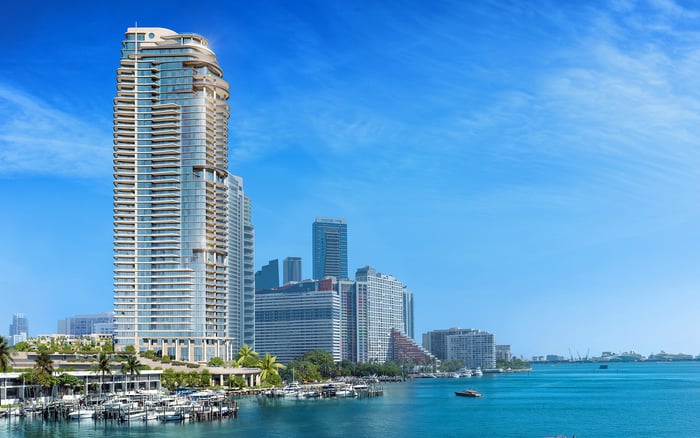
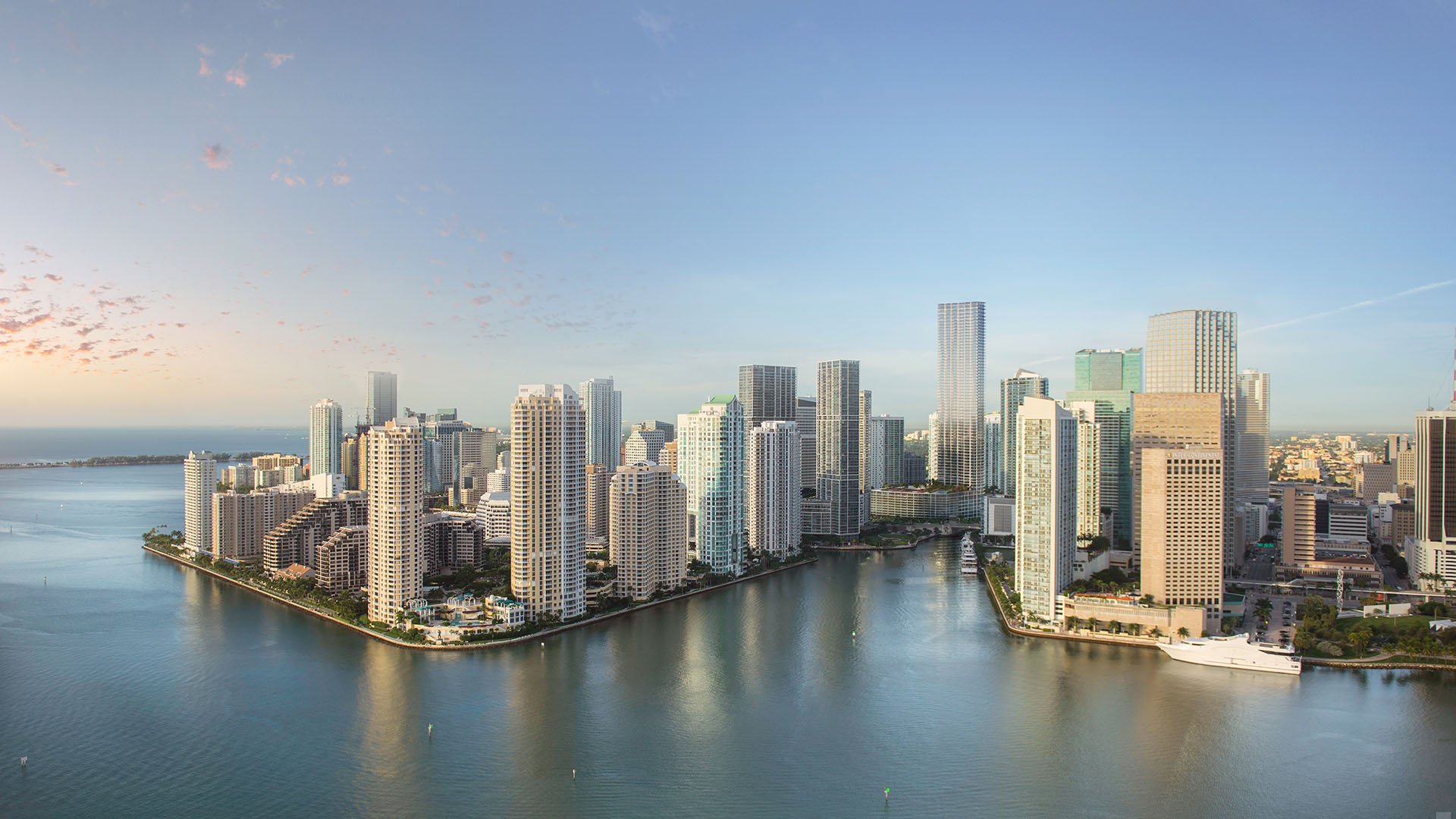
For a buyer considering Una Residences Brickell, the practical question is not whether a Brickell address calls for a particular structure. It is whether the proposed deed produces the succession outcome the buyer intends. Ask counsel to explain who receives the interest at death and whether that result matches the broader estate plan.
A will directs the distribution of probate assets. It does not, by itself, avoid probate. That distinction matters for an owner who has carefully named beneficiaries and assumes the residence will therefore transfer without a probate proceeding.
The planning conversation should separate the intended recipient from the transfer mechanism. Naming a child in a will addresses the first question; it does not automatically answer the second. Likewise, an ownership arrangement that passes property to a surviving co-owner should be evaluated against the owner's intended beneficiaries, not treated as an administrative shortcut.
Before choosing a structure, describe the desired outcome in plain language. Should the surviving owner receive the property, or is the intention to leave an interest to someone else? Counsel can then compare that intention with the deed and estate documents.
A revocable trust can provide a non-probate ownership route, but the property must actually be transferred into the trust. Creating a trust while leaving the residence individually titled does not complete that step.
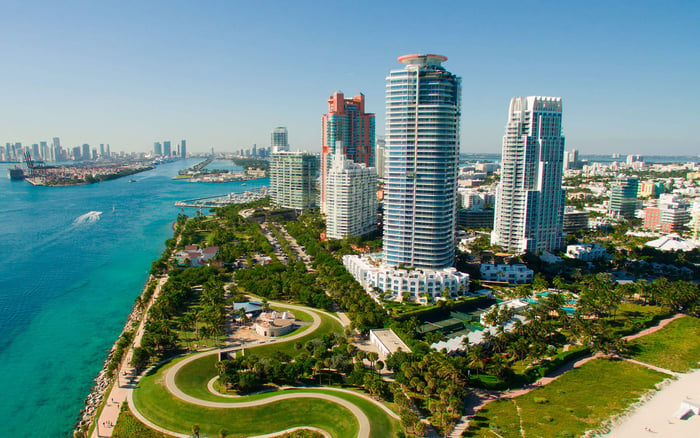
For a Miami Beach purchase such as The Perigon Miami Beach, the essential discipline is to connect the estate-planning decision with the title work. A signed trust document and a completed transfer into that trust are different things. Ask counsel to confirm that the residence is held as the plan requires.
Existing owners should make the same review. Rather than relying on a recollection that the home was included in an estate plan, compare the current deed with the intended arrangement. The objective is alignment among the legal documents, not merely a well-organized estate-planning file.
A non-Florida resident's individually owned Florida real estate may require a Florida ancillary probate proceeding after death. An estate plan prepared for a primary residence elsewhere should therefore be reviewed specifically for the Florida property.
The point is equally relevant when considering Four Seasons Hotel & Private Residences Fort Lauderdale. For an owner whose principal home remains outside Florida, the Fort Lauderdale purchase warrants its own title and succession discussion. Existing documents should not be assumed to settle every issue.
Ask the advisers handling the broader estate plan and Florida counsel to review the same deed and intended beneficiaries. The immediate question is whether the current ownership creates a potential Florida probate requirement. Any proposed change should then be considered alongside the separate homestead analysis, not presented as a universal solution.
Do not assume that every South Florida second home is homestead, or that a lifestyle label settles its legal status. Qualifying homestead property receives special treatment at death. Ordinary probate-asset rules should not be applied without first determining whether that treatment is relevant.
Florida generally prohibits devising homestead when the owner is survived by a spouse or minor child, subject to applicable exceptions. One statutory exception permits a devise to the surviving spouse when the owner leaves no minor child. These restrictions make family circumstances central to the planning discussion.
When homestead is not validly devised and a spouse and descendants survive, the spouse may receive a life estate and the descendants the remainder interest. A surviving spouse may also have a time-limited statutory election to take an undivided one-half interest instead of a life estate.
Florida also provides statutory deed language through which a spouse may waive homestead rights that would otherwise prevent the other spouse from devising the property to someone else. That is a specific legal tool for counsel to evaluate, not a reason to assume that all inheritance restrictions have disappeared. Probate avoidance and freedom to choose a beneficiary remain distinct questions.
A buyer evaluating Alba West Palm Beach can bring ownership planning into the West Palm Beach purchase discussion before title is finalized. The same discipline applies to a home already owned: begin with the existing deed, not an assumption about what it says.
Prepare a concise review file containing the deed, relevant will or trust documents, intended beneficiaries and the family circumstances counsel needs to assess homestead. Request clear answers on the current probate route, any necessary trust transfer and any homestead restrictions. Do not ask a single document to resolve questions it does not address.
The most considered plan is not necessarily the most elaborate. It is the one whose ownership language, completed transfers and inheritance provisions support the family's intentions within the applicable rules. This overview is educational; individual decisions require advice from qualified Florida counsel.
For a considered approach to your next South Florida residence, explore MILLION.
If branded residences are on your mind — as a home or as an allocation — we would be glad to share what we are seeing, privately.
Begin a quiet conversationNo. A will directs the distribution of probate assets but does not, by itself, avoid probate.
Yes, real estate held solely in the deceased owner's name generally is a probate asset. Qualifying homestead property receives special treatment and requires separate analysis.
Not generally. A deceased owner's tenants-in-common interest typically requires probate unless an exception applies.
Florida real estate held as joint tenants with rights of survivorship generally passes to the surviving owner outside probate. Counsel should review the actual ownership language.
No. The property must actually be transferred into the trust for that non-probate ownership route to apply.
Yes. A non-Florida resident's individually owned Florida real estate may require a Florida ancillary probate proceeding after death.
No such assumption should be made. The property's legal status requires individual review before applying homestead inheritance rules.
Florida generally restricts devising homestead when a spouse or minor child survives, subject to exceptions. One exception permits a devise to the surviving spouse when there is no minor child.
If a spouse and descendants survive, the spouse may receive a life estate and the descendants the remainder interest. The spouse may have a time-limited election to take an undivided one-half interest instead.
Florida provides statutory deed language for waiving homestead rights that would otherwise prevent the other spouse from devising the property to someone else. Counsel should assess the waiver's scope and suitability.