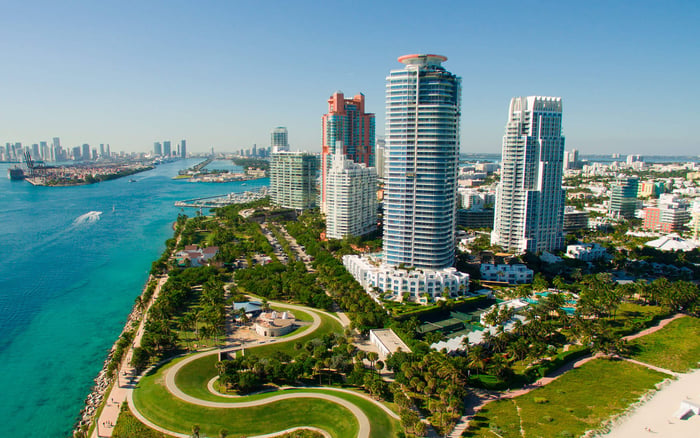
Water intrusion history can quietly reshape the economics of a boutique South Florida residence by influencing repairs, reserves, insurance, financing comfort and future resale confidence.
In South Florida luxury real estate, water is both the view and the variable. It frames the terrace, shapes the light and gives a boutique residence its sense of escape. Yet when water enters where it should not, through a window system, roof assembly, garage, terrace drain, plumbing chase or neighboring unit, the economics of ownership can shift long after the visible repair is complete.
For a buyer, the question is not simply whether a residence appears dry today. The sharper question is whether the building, the association and the individual unit have a documented history that could influence future costs. In a boutique property, where the owner base is smaller and the homes are often more individualized, that history can carry unusual weight.
A prior intrusion event does not automatically make a residence undesirable. Some of South Florida’s most compelling addresses have dealt with isolated maintenance issues, corrected defects or weather-related repairs. The distinction is clarity. Was the issue diagnosed? Was the repair completed by qualified parties? Did the association address the underlying cause, or only the interior evidence? The answers can change the real price of ownership.
Boutique buildings are coveted because they feel private. Fewer neighbors, quieter amenities and a more residential rhythm can be a powerful form of luxury. But fewer residences can also mean fewer owners sharing building-wide obligations. If a roof, façade, pool deck, elevator lobby, garage or waterproofing system requires attention, the cost may be spread across a smaller group.
That does not make boutique living riskier by definition. It makes diligence more personal. A large tower may absorb certain expenses differently than a low-density building. A boutique association may make decisions faster, but it may also operate with a narrower reserve base. The buyer should understand not only the residence, but the financial ecosystem behind it.
This is especially relevant for waterfront properties, where architecture, landscaping and amenity decks often interact with wind, salt air, rainfall and drainage patterns. The attraction is real. So is the need for disciplined review.
The first cost is obvious: repair. Flooring, drywall, millwork, cabinetry, stone, electrical components and HVAC-related areas may need evaluation when water has traveled beyond the original point of entry. In an ultra-premium residence, finishes are not generic. Replacing a custom floor, imported stone or integrated wall system can be more complex than a standard repair.
The second cost is less visible: recurrence risk. If a prior leak was treated cosmetically but the original pathway remains unresolved, the buyer may inherit uncertainty. That uncertainty can affect peace of mind, renovation timing and future negotiations.
The third cost is association-level exposure. Repeated intrusion in common areas or multiple units can point to systems that need broader attention. That may influence reserves, special assessments, insurance discussions and the tone of owner meetings. A polished lobby does not answer those questions. Minutes, budgets, engineering correspondence and repair records usually do.
The fourth cost is marketability. Resale buyers tend to become more exacting when a property has a known water story. The seller who can present a clean chronology, documented remediation and continued monitoring is in a stronger position than the seller relying on vague assurances.
For MILLION’s Pricing & Trends audience, water intrusion history belongs in the same conversation as view corridors, floor height, amenity quality and architectural pedigree. The contract price is only one number. The total cost of ownership includes insurance comfort, assessment probability, renovation exposure, temporary displacement, legal review and the future discount a buyer may demand if the history is unclear.
This is why two residences with similar views can deserve different valuations. One may have a transparent file showing a contained issue, completed repair and no continuing pattern. Another may have a beautiful renovation layered over an uncertain building condition. The second may still be desirable, but the buyer should price the uncertainty rather than ignore it.
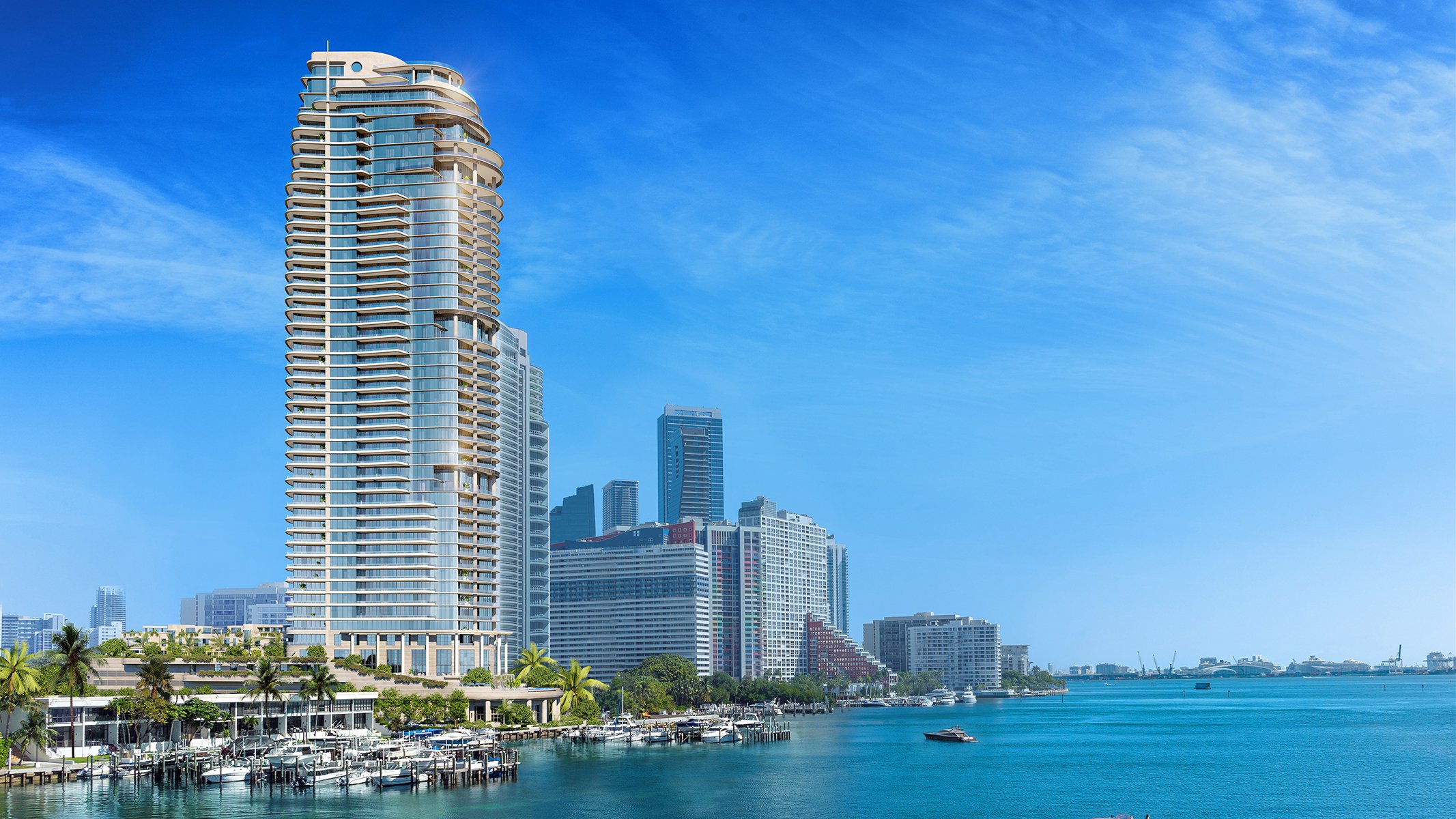
In Brickell, where glass, height and urban waterfront living define much of the premium conversation, buyers comparing polished offerings such as The Residences at 1428 Brickell should bring the same discipline to any resale or boutique review. Newness, branding and presentation are valuable, but due diligence remains the buyer’s quiet advantage.
A serious buyer should ask for more than a disclosure form. The file should be read as a sequence. When did the first sign appear? Who inspected it? What was identified as the cause? What repairs were completed? Were permits, warranties or contractor invoices involved? Did the association participate? Has the issue returned?
Association meeting minutes can be particularly revealing because they show whether a condition was isolated or discussed over time. Budgets and reserve materials can show whether upcoming waterproofing, roofing, façade, window or garage work is already contemplated. Insurance correspondence and claims history may also help define the building’s relationship with risk.
Inside the residence, an inspector should look beyond fresh paint. Moisture readings, window and door assemblies, terrace thresholds, baseboards, cabinetry backs, mechanical closets and ceiling transitions can all help tell the story. The goal is not to frighten the buyer. The goal is to remove ambiguity before the buyer’s leverage fades.
In Miami Beach, architectural romance often comes with exposure to ocean air, intense rainfall and terrace-driven living. A buyer considering a refined coastal address such as The Perigon Miami Beach can appreciate the power of design while still insisting on a careful review of building envelope performance in any purchase.
Bay Harbor Islands offers another version of the boutique lifestyle: calmer streets, water adjacency and a residential scale that appeals to buyers who want intimacy without leaving the Miami orbit. In that context, projects such as The Well Bay Harbor Islands illustrate the appeal of wellness-oriented, low-density living. For any boutique acquisition nearby, diligence should include drainage, roof, window and association records, not just floor plan and amenity appeal.
The same logic extends north and south across the region. From established condominium enclaves to newer coastal residences, water history is not a footnote. It is part of the asset’s biography.
Fort Lauderdale buyers often prize boating, riverfront access and a more relaxed urban rhythm. In that market, the elegance of a residence such as Riva Residenze Fort Lauderdale sits within a broader environment where waterfront expectations are central to value. The more central water is to the lifestyle proposition, the more carefully water management should be evaluated.
West Palm Beach has its own rhythm, with buyers drawn to walkability, design, cultural access and proximity to Palm Beach. A residence such as Alba West Palm Beach speaks to that evolving demand. Yet even in markets where the lifestyle premium is rising, the buyer should separate emotional appeal from building condition. Luxury is not only what is visible. It is also what has been maintained.
When water intrusion history is documented, the buyer has several possible responses. One is a price adjustment. Another is a repair credit or seller completion of defined work before closing. A third is an escrow arrangement tied to specific documentation. In association-level situations, the buyer may focus less on the unit price and more on the likelihood of future assessments.
The strongest negotiations are specific. Vague concern rarely moves a sophisticated seller. A clear record, professional review and defined cost exposure can. If the issue has been fully resolved, the buyer should still ask for warranties, invoices and written confirmation of scope. If the issue is active or uncertain, the purchase structure should reflect that uncertainty.
For resale transactions, presentation can be deceiving. A newly staged residence may feel turnkey, but turnkey should mean more than furniture, paint and lighting. It should mean that known water issues have been understood, resolved and documented.
Does prior water intrusion automatically make a boutique residence a bad purchase? No. The key is whether the cause was identified, corrected and documented clearly enough to support confident ownership.
Why does water history matter more in a boutique building? A smaller owner base may share building-level costs differently, so reserves, assessments and repair planning deserve closer review.
What documents should a buyer request first? Start with seller disclosures, association minutes, repair invoices, budgets, reserve materials and any relevant warranty information.
Can a renovated interior hide a prior water problem? It can. Fresh finishes should be paired with inspection, moisture review and a clear explanation of any previous intrusion.
How can water intrusion affect insurance? It may influence underwriting comfort, deductibles, exclusions or premium expectations, depending on the building and claim history.
Should buyers walk away from any building with past leaks? Not necessarily. A well-documented, completed repair can be far different from an unresolved or recurring condition.
What is the biggest financial surprise for buyers? Future association work can be more consequential than an isolated interior repair, especially if reserves are limited.
Does water history affect resale value? Yes. Unclear history can create buyer hesitation, while strong documentation can help preserve negotiating confidence.
Who should evaluate the condition before closing? Buyers should use qualified inspectors and, when needed, specialized professionals familiar with building envelope issues.
What should a luxury buyer remember most? The finest view should be paired with an equally clear record of how the building manages water over time.
For a discreet conversation and a curated building-by-building shortlist, connect with MILLION.
If branded residences are on your mind — as a home or as an allocation — we would be glad to share what we are seeing, privately.
Begin a quiet conversation