A Coral Gables home should suit the school day as well as the family’s longer-term plans. Verify address-specific transportation, test the daily routine, and investigate zoning, drainage, insurance, and permit history before relying on proximity alone.
For a family purchasing in Coral Gables, proximity to a preferred private school is an appealing shorthand. The more consequential question is operational: can the household count on a workable pickup, a manageable return journey, and a clear alternative when schedules change? A home may suit the family beautifully while its transportation arrangements remain unresolved.
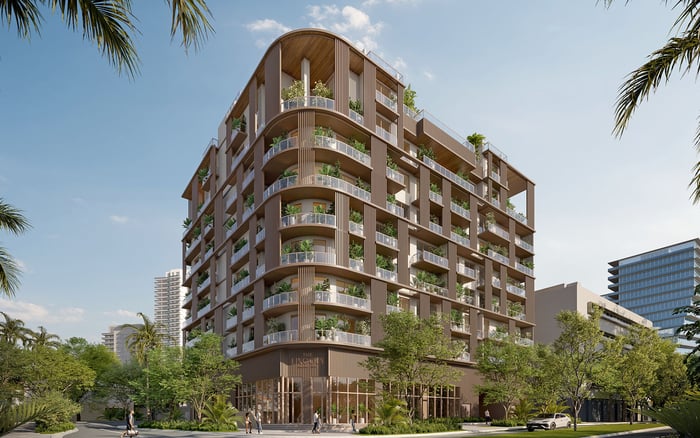
Treat school transportation as a separate purchase consideration, not an implied benefit of the address. Whether considering Ponce Park Coral Gables or another residence, establish the school-day routine independently of the property’s presentation. A neighborhood’s inclusion in a service area does not confirm that a particular child has a seat from a particular entrance.
The strongest purchase decision brings two inquiries together: whether the home supports everyday life and whether its physical and regulatory conditions suit ownership over time. Neither substitutes for the other.
Begin by asking what transportation the school offers for the intended campus and grade. Distinguish door-to-door service, designated neighborhood stops, and intercampus shuttles rather than treating them as interchangeable promises. Confirm which arrangement, if any, is available for the property under consideration.
An intercampus connection does not establish home pickup. A broad coverage area does not establish pickup times, stop locations, vehicle capacity, or journey duration. Neither confirms whether home-to-school transportation is included in tuition, what separate charges apply, or whether routes remain unchanged from year to year. Do not assume one school’s arrangements apply to another.
Request written confirmation covering:
The exact property address, student’s grade, campus, and intended school year.
Pickup and return windows, with the precise boarding and drop-off location.
Seat availability, reservation requirements, transportation fees, and renewal terms.
Sibling arrangements, missed pickups, late buses, and emergency contacts.
Weather-related changes and whether afternoon activities affect return service.
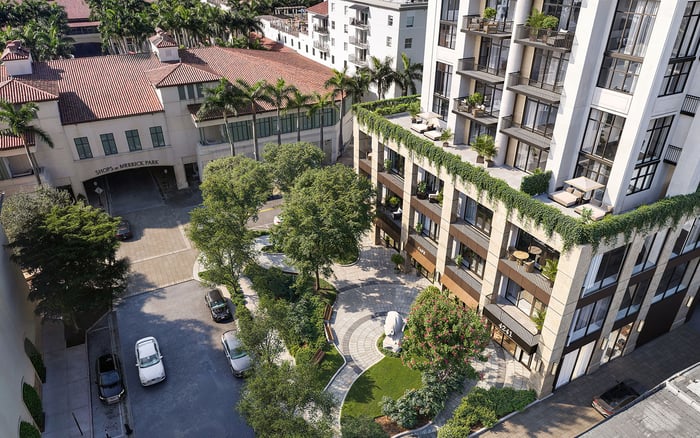
For a residence at Cora Merrick Park, frame the inquiry around the actual entrance and proposed collection point. Ask the transportation team to separate confirmed arrangements from provisional details. Keep the written response with the property’s diligence materials.
Campus distance cannot tell you how a route will serve the household. Ask for the expected morning boarding window, campus arrival, afternoon departure, and home arrival. Clarify whether these are estimates or confirmed operating windows, and whether the return arrangement differs from the morning service.
Evaluate the proposed journey at the times the family would use it. A drive to campus can help assess the parent-driven alternative, but it does not measure a multi-stop bus journey. Review the proposed pickup point, too: where the child waits, how an adult accompanies them, and how the handoff works in poor weather.
If the search extends into Coconut Grove, apply the same address-specific discipline when considering Arbor Coconut Grove. A neighborhood’s inclusion in a service area does not confirm transportation for that project or any individual residence.
Finally, establish a backup plan. Identify who handles a missed pickup, an early dismissal, or an afternoon without the expected return service. The objective is not a flawless timetable. It is a routine the household understands before committing to the purchase.
Ask the city or a qualified adviser which development approvals and reviews apply to the property, including any transportation, stormwater, or other public-service considerations. Do not treat a municipal approval as confirmation of an individual school-bus commute.
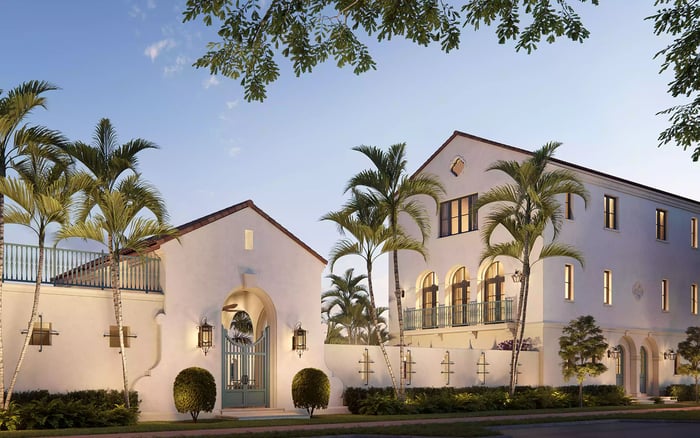
For buyers evaluating The Village at Coral Gables or another property, keep municipal approval questions separate from transportation questions. Neither development review nor proximity to campus establishes a family’s pickup window.
Request current parcel-specific zoning information and investigate permitted use and development potential. Seek property-specific clarification for intended changes, rather than relying on a neighboring property as a precedent. Compare existing improvements with permit records; do not assume that everything visible has the necessary documentation.
A practical school routine should not distract from the property’s exposure to water. Review current flood mapping with a qualified adviser and ask what property-specific flood-zone and drainage information is available. Treat the map as a starting point rather than a complete assessment of the home.
Request water-intrusion history, flood-claims information, drainage details, and available elevation documentation. Where concerns arise, ask qualified advisers to assess the property itself rather than drawing conclusions from a neighboring address or the street’s appearance.
Evaluate flood coverage separately from homeowners insurance and obtain property-specific quotes before finalizing the ownership budget. Ask the insurance adviser to explain coverage, exclusions, deductibles, and any documentation needed for the proposed policies. Do not assume a flood-map designation alone resolves the insurance question.
Keep the two weather-related questions distinct: how transportation changes during disruption and how the property itself handles water. Each deserves its own answer.
Before budgeting for changes, clarify the applicable permit requirements and compare the proposed work with existing approvals. Include exterior and site work in that inquiry, not only alterations to the main building. Ask specifically about any planned fences, slabs, sprinklers, pools, air-conditioning equipment, excavation, grading, or fill.
For a property with floodplain considerations or previous storm damage, ask whether additional review, a substantial-damage determination, or compliance work could affect repairs. Have a qualified adviser confirm any applicable threshold, valuation method, and permitting implications rather than estimating them from the purchase price.
Before committing, organize the decision around written transportation confirmation, a tested household routine, and property-specific diligence. If an answer remains provisional, understand the alternative and its cost. The right residence should make daily life more manageable without leaving the family dependent on assumptions about either the school route or the home.
For a considered approach to your Coral Gables purchase, explore residential opportunities with MILLION.
If branded residences are on your mind — as a home or as an allocation — we would be glad to share what we are seeing, privately.
Begin a quiet conversationNo. Obtain written confirmation for the exact address, grade, campus, school year, and seat availability before relying on transportation.
No. A shuttle between campuses is a separate service and does not establish pickup or drop-off at a residence.
No. Confirm any separate fees, reservation requirements, and annual renewal terms directly with the school.
Ask for morning pickup, campus arrival, afternoon departure, and home arrival windows. Clarify whether those windows are estimates or confirmed arrangements.
Not reliably. A parent-driven trip helps assess a backup option, but it does not measure a multi-stop bus journey.
No. Verify the student’s transportation arrangements directly with the school rather than relying on the property’s municipal approvals.
Request current parcel-specific zoning information and review permitted uses and development potential. Seek property-specific clarification for planned changes.
Evaluate flood coverage separately from homeowners insurance and obtain property-specific quotes. Ask an insurance adviser to explain coverage, exclusions, deductibles, and required documentation.
Request water-intrusion history, flood-claims information, drainage details, and available elevation documentation. Ask qualified advisers to assess any property-specific concerns.
Ask whether additional review, a substantial-damage determination, or compliance work could affect repairs. Have a qualified adviser confirm applicable thresholds, valuation methods, and permitting implications.