A buyer-focused examination of Miami-Dade waterfront construction disputes, with practical guidance on litigation status, service continuity, repair funding, insurance, and lender review.
The appeal of a Miami-Dade waterfront residence extends beyond architecture and views. For a discerning buyer, quiet enjoyment, controlled access, and dependable service merit the same attention as the floor plan. Construction litigation adds another layer of diligence: what is alleged, what needs attention, who may pay, and how any work would be managed around residents.
The essential distinction is between a legal claim and an established building condition. Neither a complaint nor a settlement alone establishes liability. Nor does a filing date confirm that a dispute remains open. Before committing capital, buyers should obtain the current docket, operative pleadings, and a clear account of repair and funding decisions.
At The Estates at Acqualina Sunny Isles, buyers filed separate Miami-Dade Circuit Court lawsuits against Trump Group-associated entities, alleging that defects impaired their enjoyment of residences. The March 2026 litigation snapshot concerns the two-tower waterfront development at 17901 Collins Avenue in Sunny Isles Beach.
That distinction matters. Allegations about residential enjoyment should prompt questions about the specific units and common elements involved-not a blanket conclusion about every residence or the development’s service standards. Ask counsel to distinguish individual buyer claims from association-wide obligations and confirm subsequent procedural developments.
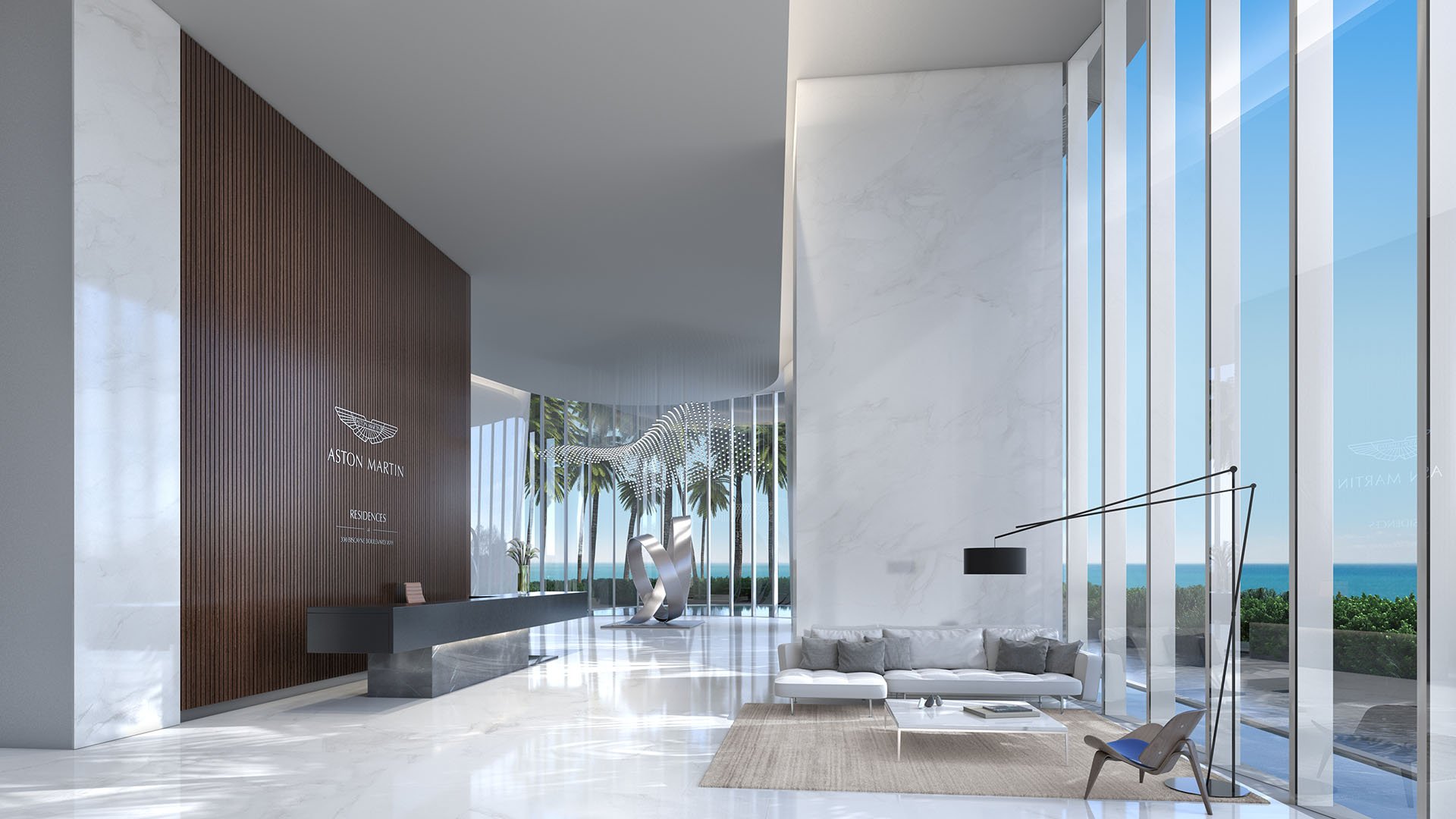
At Aston Martin Residences Downtown Miami, the 300 Biscayne Boulevard Way Condominium Association reportedly sued on April 15, 2026, alleging cracked concrete and other construction problems. The association reportedly seeks at least $750,000 and court-ordered repairs.
The amount sought is neither an awarded recovery nor a confirmed repair budget. A buyer evaluating this Downtown Miami property should distinguish the damages demand from the engineering scope, contracted repair price, and available funding. Treating these as interchangeable would obscure the financial questions that matter most.
In Edgewater, the 700 Edgewater Condominium Association reportedly filed suit concerning Missoni Baia on January 30, 2026. Named parties include OKO Group, design firms Asymptote and Revuelta, general contractor Civic Construction, and 19 subcontractors. The complaint reportedly identifies 76 construction and design defects, including cracks in slabs, foundations, and columns, as well as water intrusion in residences, stairwells, and the parking garage.
These remain allegations. The number of claimed defects does not, by itself, establish severity, repair duration, or an owner’s eventual contribution. Engineering assessments and an itemized remediation scope are more useful for understanding what work is proposed and where.
Biscayne 21 presents a different legal history. Two Roads Development sought judicial dissolution of the association at 2121 North Bayshore Drive, arguing that continued repair was no longer financially feasible. Florida’s Third District Court of Appeal reportedly ruled in July 2025 that an amendment could not eliminate existing owner voting rights.
By September 2026, a settlement with the remaining owners had reportedly been reached and fully funded, resolving years of litigation and clearing a major obstacle to EDITION Edgewater. That history should not be conflated with a construction-defect complaint against the planned residences, nor should the resolved dispute be described simply as open litigation.
At La Baia South in Bay Harbor Islands, reported litigation alleges breach of contract, statutory warranty violations, negligence, and a fraudulent lien. Claims concern roof replacement, leaks, possible mold, waterproofing, fire alarms, windows, and doors. Buyers should keep these allegations specific to La Baia South rather than extending them to similarly named developments.
Construction access, valet arrangements, guest protocols, and repair disruption are diligence questions, not established outcomes at these properties. Litigation alone is not evidence of a privacy breach or diminished service.
If work is proposed, request a written operating plan. Who authorizes entry into residences? How are contractors identified and escorted? Will service elevators, loading areas, parking, or amenity access be affected? What notice will owners receive, and who handles exceptions for residents away from home?
Second-home buyers should ask how management would coordinate inspections and access during an extended absence. Full-time residents should clarify work hours and the proposed sequence near occupied homes. These questions turn an abstract legal dispute into a practical assessment of daily living without presuming that disruption has occurred.
No project-specific loan denials, interest-rate changes, loan-to-value reductions, or financing delays are established here. Buyers should therefore assume neither automatic rejection nor unconditional lender acceptance. Obtain written project-review conditions from the intended lender and identify the litigation, engineering, insurance, and association-finance documents it requires.
Insurance demands equally careful distinctions. Construction-defect litigation has reportedly increased South Florida developers’ liability-insurance costs. That does not establish a uniform increase in condominium associations’ property premiums or a specific premium change at any residence discussed here.
Request coverage correspondence, applicable policies, deductibles, and any coverage reservations or denials. Ask whether proposed repair funding depends on disputed insurance proceeds or anticipated litigation recoveries. Neither should be treated as money already available.
Review reserves, approved assessments, repair contracts, and association borrowing details alongside the purchase price. Distinguish committed funding from contingent recovery, and approved obligations from estimates. Litigation alone does not establish a resale discount, either.
Under Florida’s 2025 Chapter 558, written construction-defect notice is generally required at least 60 days before filing an action, or 120 days for an association representing more than 20 parcels. The procedure provides an opportunity to inspect and respond. Counsel should distinguish this notice stage from a filed lawsuit and confirm the applicable requirements.
Miami-Dade’s coastal recertification schedule requires a separate review. Condominium and cooperative buildings at least three stories tall, built from 1983 through 1997 and within three miles of the coastline, were required to undergo recertification by December 31, 2024, then every 10 years.
Qualifying coastal condominium and cooperative buildings of at least three stories built in or after 1998 are scheduled for inspection at age 25, then every 10 years. These are Miami-Dade schedule provisions, not a universal statewide rule. Verify the specific building’s obligations and compliance rather than inferring either from its age or litigation history alone.
A disciplined closing file should connect current litigation status with engineering findings, repair scope, funding commitments, insurance responses, and lender conditions. It should also explain how management intends to preserve access control and service during any work. Luxury ownership is best evaluated through both the residence itself and the documented obligations that accompany it.
For a considered approach to Miami-Dade waterfront ownership, explore MILLION.
If branded residences are on your mind — as a home or as an allocation — we would be glad to share what we are seeing, privately.
Begin a quiet conversationNo. A complaint contains allegations, and neither a complaint nor a settlement alone establishes liability; engineering findings and court outcomes require separate review.
A filing date does not establish current status. Biscayne 21’s litigation was reportedly resolved through a settlement reached and fully funded by September 2026.
Buyers filed separate lawsuits against Trump Group-associated entities alleging defects impaired enjoyment of residences at the two-tower development at 17901 Collins Avenue.
No. The association reportedly seeks at least $750,000 and court-ordered repairs, but that demand is neither an awarded recovery nor a confirmed repair budget.
The complaint reportedly identifies 76 construction and design defects. That count alone does not establish severity, repair duration, or an individual owner’s financial obligation.
No automatic outcome is established here, and no project-specific loan denials or financing changes are documented. Buyers should obtain written project-review conditions from their intended lender.
The stated cost pressure concerns developers’ liability insurance, not a uniform increase in condominium associations’ property premiums. Property-specific coverage and premium questions require separate review.
Request the proposed procedures for contractor identification, residence entry, escorts, elevator use, and owner notification. These are diligence questions, not evidence that a privacy incident has occurred.
It generally requires written notice at least 60 days before filing an action, or 120 days for an association representing more than 20 parcels, allowing an opportunity to inspect and respond.
Qualifying coastal condominium and cooperative buildings at least three stories tall, built in or after 1998, are scheduled for inspection at age 25 and every 10 years thereafter.