At Aston Martin Residences, enduring luxury depends on more than design pedigree. Buyers should distinguish the brand promise from daily management and the funding required to renew the building over time.
At Aston Martin Residences Downtown Miami, the ownership proposition begins with a distinctive combination: an automotive design identity, a waterfront address at the mouth of the Miami River, and a substantial residential tower. The more consequential question is how that proposition will hold up once the opening narrative gives way to everyday ownership.
Brand prestige sets expectations. Operating discipline sustains daily service and condition. Replacement reserves fund future component renewal. These functions complement one another; they are not interchangeable assurances. A recognizable name does not establish the quality of management, nor does an immaculate lobby establish the adequacy of long-term funding.
For a buyer considering a multiyear hold, the task is to assess all three together. The attraction may be immediate; confidence in ownership should rest on documents, observable performance, and a credible plan to maintain the original design intent.
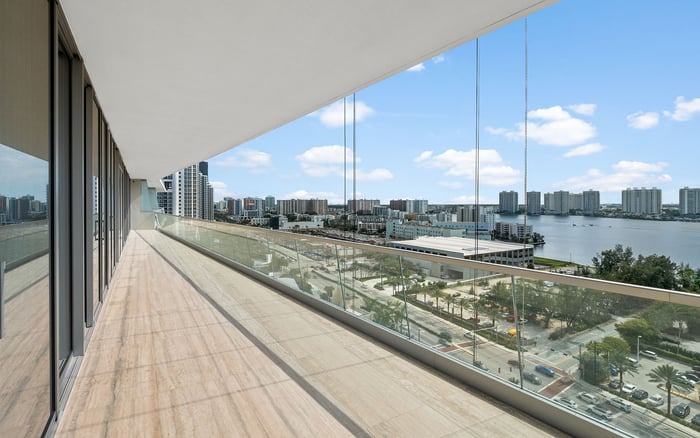
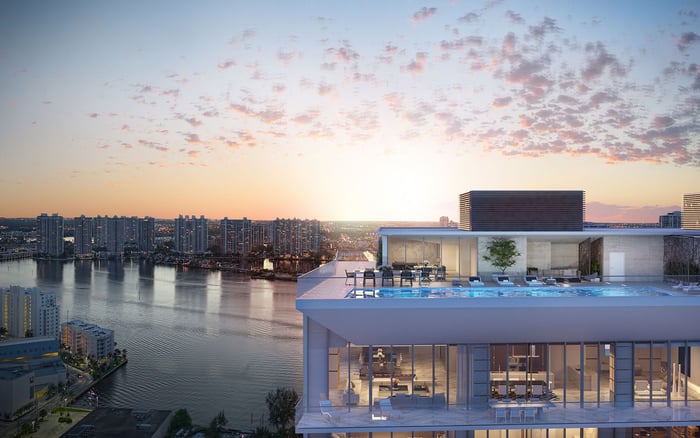
Located at 300 Biscayne Boulevard Way in Downtown Miami, the 66-story tower officially opened on April 30, 2024, marking the completion of Aston Martin’s first ultra-luxury real estate project. The development paired G&G Business Developments with Aston Martin’s brand and design expertise.
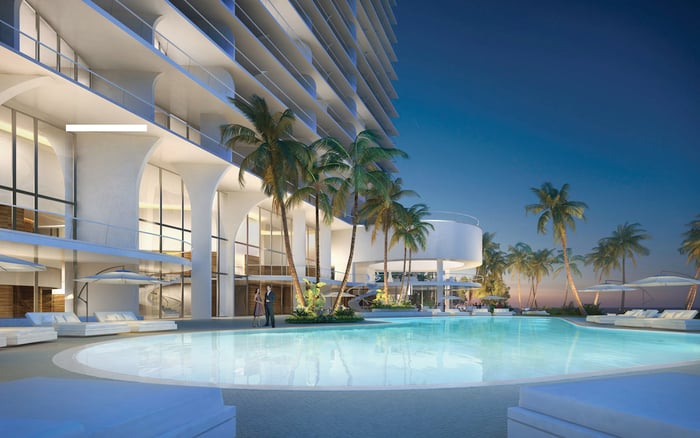
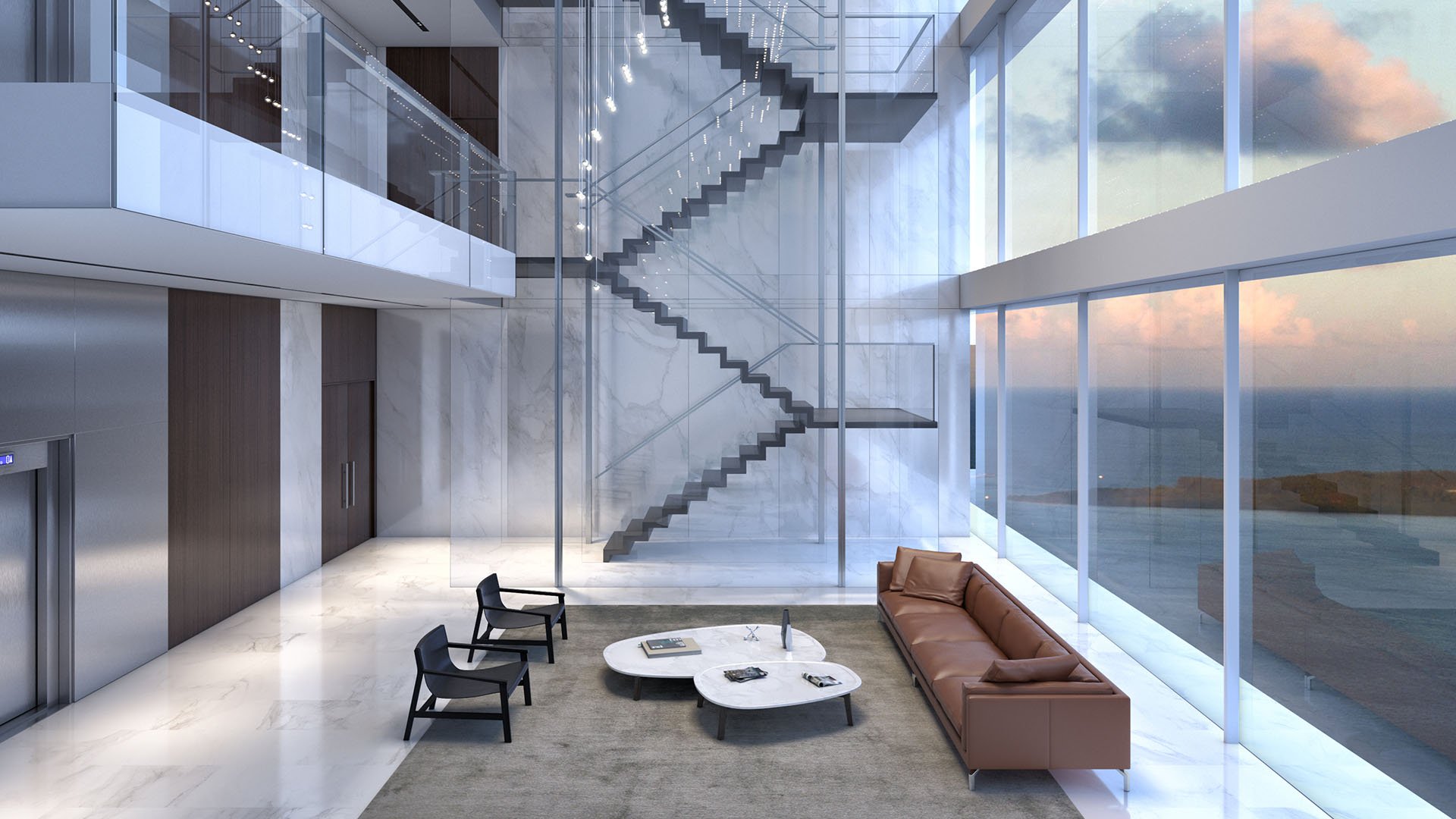
Its amenity program spans more than 40,000 square feet across multiple levels, with pool, spa, fitness, and social spaces connected by a grand glass staircase. That scale matters well beyond the initial tour. Buyers should understand which spaces require recurring staffing, specialist maintenance, periodic refurbishment, and eventual equipment replacement.
The distinction is practical: keeping a space presentable today and funding its renewal tomorrow are separate responsibilities. Neither a recent opening nor an extensive amenity offering establishes whether those responsibilities have been budgeted appropriately. The question is how the association plans to preserve both the building’s physical condition and the experience residents expect.
Aston Martin’s design team, led by Marek Reichman, shaped interiors and shared spaces, including lobbies, the fitness center, and spa. The project was conceived as an extension of the marque’s design identity, not simply a tower carrying its name.
That origin matters, but it is not an ongoing operating guarantee. The development collaboration alone does not establish who currently manages the property, who approves expenditures, or whether Aston Martin retains inspection or enforcement rights.
Buyers should request the governing and licensing provisions that address brand standards, replacement specifications, approval procedures, and any obligations that apply after developer turnover. This is a request for documentation-not an assumption that turnover has occurred or that any particular obligation exists.
If specified materials or finishes must be retained, ask how future replacements are costed and approved. If substitutions are permitted, ask who determines whether they preserve the intended aesthetic. Design continuity becomes an ownership issue when it meets procurement and capital planning.
Read the operating budget as a description of how the building intends to function each day. Recurring staffing, routine care, and preventive maintenance belong in this discussion, separate from funding for long-term replacement.
Request the current budget, financial statements, management agreement, and recent board minutes. Read them together. A budget expresses intentions; financial statements help show spending; minutes can reveal how decisions and unresolved issues are handled. The management agreement helps clarify responsibilities that buyers should not infer from branding.
During a visit, let the documents guide your observations. Ask how maintenance requests are recorded, how service interruptions are communicated, and how preventive work is scheduled. Look for consistency between promised service and the resources assigned to deliver it.
None of these questions presumes an operating problem at Aston Martin Residences. They offer a disciplined way to distinguish an attractive presentation from a sustainable service model.
Replacement funding addresses a different horizon. Elevators, façade and glass systems, pool equipment, and common-area finishes are useful categories for review, subject to confirmation of association responsibilities and the applicable reserve scope. Their anticipated renewal should not be treated as an extension of ordinary housekeeping.
Request the current reserve study, reserve balance, funding plan, and planned capital-project schedule. Examine how estimated replacement costs, remaining useful lives, contribution timing, and scheduled work fit together. A balance in isolation says little without the obligations it is intended to meet.
Ask how assumptions are updated and how the plan responds if work is needed sooner or costs more than expected. For signature finishes, establish whether estimates reflect the intended replacement standard rather than an unspecified alternative.
Reserve adequacy cannot be inferred from the Aston Martin name, the building’s opening date, or its current appearance. Buyers should assume neither that a special assessment is inevitable nor that one is impossible. Those judgments require building-specific financial and technical evidence. Confirm applicable legal requirements and compliance with qualified advisers.
For buyers also considering Bentley Residences Sunny Isles, the useful comparison goes beyond one automotive identity versus another. Apply the same questions to each property: what the brand relationship covers, who carries operating responsibility, and how the relevant documents address future renewal.
A Downtown Miami search that includes Waldorf Astoria Residences Downtown Miami benefits from the same discipline. Different names should not be treated as evidence of equivalent management arrangements, reserve provisions, or financial obligations.
The objective is not to rank properties by branding alone. It is to compare what the buyer receives, what ownership requires, and how clearly both are documented. A compelling name can heighten the appeal, but it cannot substitute for that comparison.
In the early ownership period, buyers can focus on whether daily operations deliver the intended experience. Over a longer hold, maintenance history, funding decisions, and completed renewal work provide additional evidence to examine. These are ways to evaluate ownership, not a forecast of this building’s performance.
There is no basis here for assigning Aston Martin Residences a quantified resale premium or predicting that one will persist or disappear after five to ten years. Instead, assess any asking-price premium against comparable transactions and the property’s documented condition and obligations at the time of purchase.
The strongest ownership case aligns all three elements: a distinctive identity, operations that support it, and a funding plan capable of renewing the physical setting. Prestige may establish the expectation; stewardship must make it credible over time.
For a discreet perspective on South Florida luxury ownership, connect with MILLION.
If branded residences are on your mind — as a home or as an allocation — we would be glad to share what we are seeing, privately.
Begin a quiet conversationThe tower is at 300 Biscayne Boulevard Way in Downtown Miami, at the mouth of the Miami River.
Its official opening and completion were announced on April 30, 2024. It was Aston Martin’s first ultra-luxury real estate project.
The project paired developer G&G Business Developments with Aston Martin’s brand and design expertise. That development relationship does not by itself identify the current operator.
Aston Martin’s design team, led by Marek Reichman, shaped interiors and shared spaces, including lobbies, the fitness center, and spa.
The amenity program exceeds 40,000 square feet across multiple levels. It includes pool, spa, fitness, and social spaces connected by a grand glass staircase.
Operating expenses support recurring staffing, routine care, and preventive maintenance. Replacement reserves address future component renewal rather than everyday service.
No. Adequacy requires review of building-specific reserve balances, cost estimates, remaining useful lives, funding assumptions, and planned work.
Request the operating budget, reserve study and funding plan, financial statements, board minutes, management agreement, and planned capital-project schedule. Review them together rather than relying on a single balance or budget figure.
An ongoing service guarantee is not established here. Buyers should examine governing and licensing documents for continuing standards, inspection rights, and any obligations after developer turnover.
No quantified project-specific resale premium or predictable five-to-ten-year trajectory is established here. Buyers should evaluate comparable transactions alongside condition, operating performance, and financial obligations.