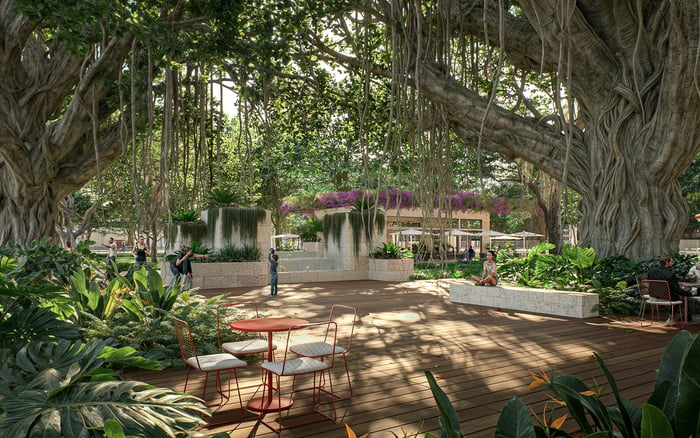
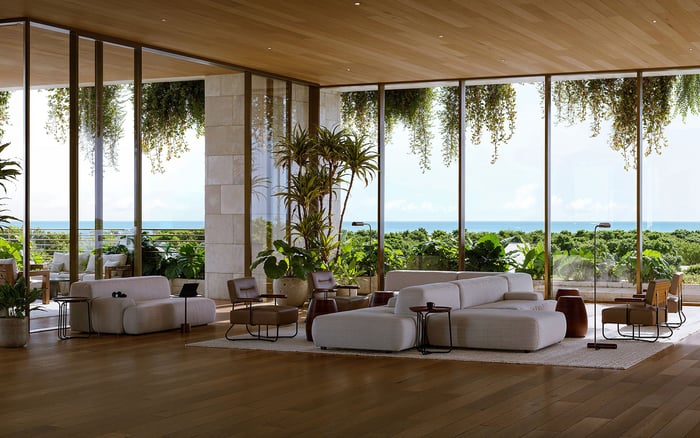
At Ziggurat Coconut Grove, evaluating privacy for entertaining requires review of current party rules, elevator controls, valet procedures, outdoor sightlines, weather contingencies, and the separation of guest, resident, and service traffic before purchase.
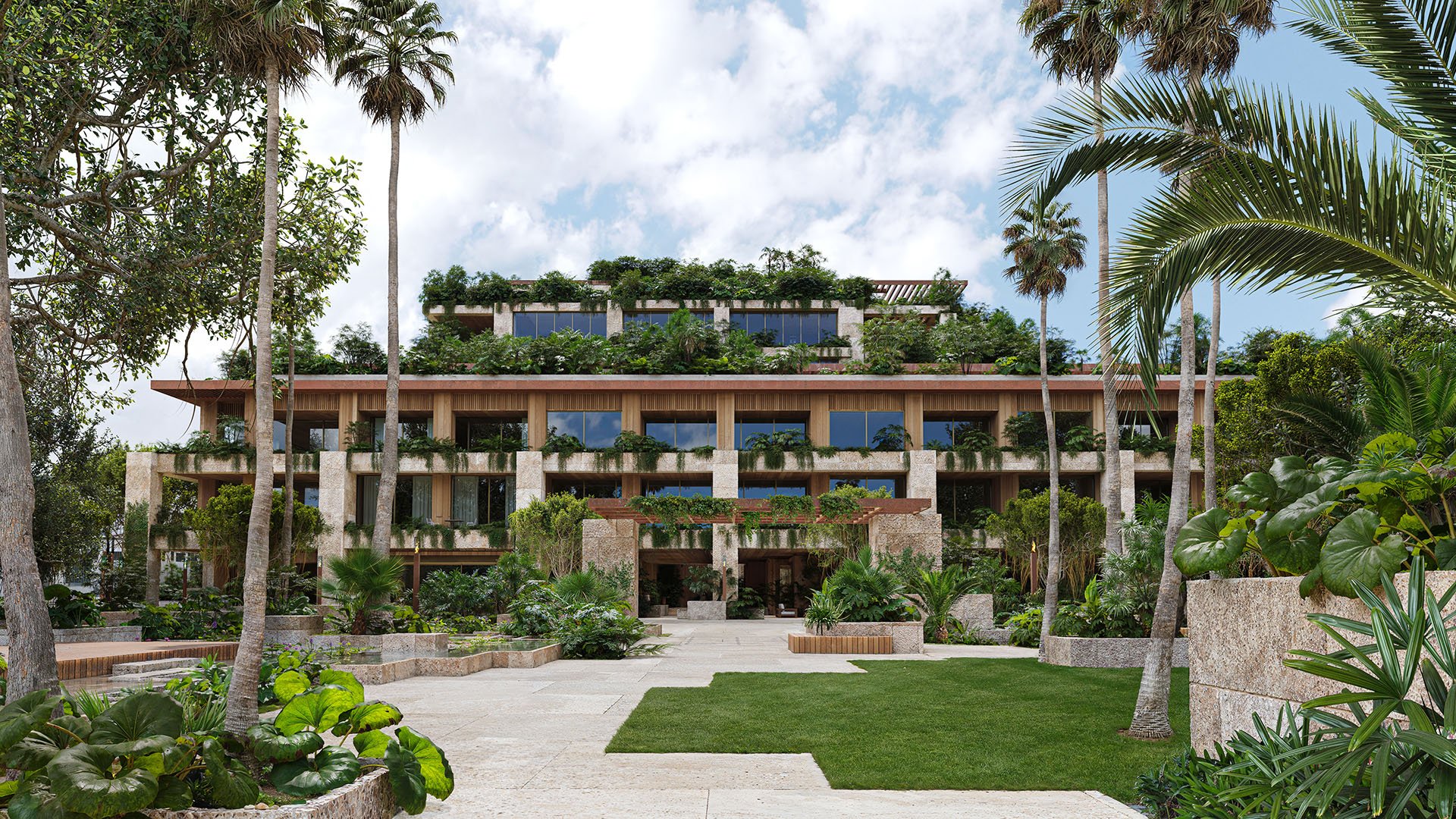
At Ziggurat Coconut Grove, buyers focused on entertaining should evaluate more than the size of the indoor and outdoor areas. The due-diligence question is whether current building rules and operating procedures can support discretion from guest arrival through departure.
No project-specific entertaining policies are established in the available information. Guest access, event limits, staffing, valet procedures, elevator controls, and outdoor-use restrictions therefore require direct confirmation through current governing documents and building management.
Before planning a private dinner or reception, request the condominium declaration, rules and regulations, amenity reservation policy, event fee schedule, and valet policy. These materials should establish whether an event requires advance approval and whether limits apply to guests, hours, music, vendors, deliveries, security, cleanup, or outdoor use.
Ask whether different procedures apply to social guests, caterers, musicians, florists, security personnel, and delivery teams. Written clarification is preferable when a rule or responsibility is not explicit in the governing documents.
No Ziggurat-specific guest cap, event curfew, deposit, or outdoor-event restriction is established here. Buyers should not assume that a private residence or outdoor area can be used for every type of gathering.
Elevator privacy depends on the building’s actual access-control procedures. Buyers should ask how guests receive credentials, whether access is limited by floor or time, when escorts are required, and how resident traffic is separated from vendors and service teams.
Confirm whether temporary credentials are available, whether any elevator can be reserved or restricted during an event, and which route vendors must use for equipment and deliveries. These details should be evaluated as one continuous path from the entrance to the residence.
The same review can inform comparisons with Four Seasons Residences Coconut Grove. The comparison should focus on verified procedures rather than assumptions about privacy.
For an entertaining-focused buyer, valet operations affect the visibility and order of arrivals and departures. Request a step-by-step explanation of where guests queue, hand over keys, enter the building, wait for vehicles, and meet ride-share drivers.
Ask how guest lists are shared with valet and front-desk teams, how unexpected arrivals are handled, and what procedures apply during concentrated arrival or departure periods. Buyers seeking discretion should determine whether curb activity, lobby entry, and elevator access are coordinated under current policy.
Outdoor privacy should be assessed from the specific residence under consideration. Review sightlines from likely seating, dining, and service positions toward neighboring residences, streets, shared spaces, and public approaches. Sound, lighting, and the potential effect on nearby residents should also be considered.
Do not assume that landscaping, elevation, or a floor plan guarantees seclusion. Privacy can vary by residence, floor, orientation, viewing angle, and surrounding conditions. Buyers comparing The Well Coconut Grove and The Lincoln Coconut Grove should apply the same residence-specific review.
A practical entertaining plan should also address the possibility that guests need to move indoors. Evaluate whether the interior can accommodate that transition without obstructing circulation, increasing corridor traffic, or placing service activity in guest areas.
Private outdoor space and a shared amenity venue may be governed by different policies. Compare reservation requirements, operating hours, guest limits, deposits, staffing, cleanup duties, vendor access, and privacy conditions for each option.
A private setting may provide more control within the residence, while a shared venue may follow a separate operating structure. Neither should be treated as automatically preferable without reviewing the rules that apply to the intended event.
The relevant standard is whether a gathering can be managed without unauthorized access, obstructed common areas, unmanaged elevator traffic, or unreasonable effects on neighboring residents.
Present management with a realistic event outline before purchase. Include the expected number and type of guests, arrival window, vendors, deliveries, music, security needs, proposed outdoor use, and departure period. Ask management to explain how each stage would be handled under current policy.
Confirm applicable quiet hours, outdoor-use requirements, approval procedures, fees, deposits, insurance obligations, and cleanup responsibilities. Buyers should also ask whether governing documents or operating rules may change after closing.
Are private parties permitted at Ziggurat Coconut Grove? The available information does not establish event permissions or limits. Buyers should confirm them through current governing documents and building management.
Is there a disclosed guest cap for in-residence events? No project-specific guest cap is established here. Ask whether limits differ between residences, private outdoor areas, and shared amenity venues.
Can an elevator be reserved for an event? Elevator reservation procedures have not been established. Verify temporary credentials, floor restrictions, escort requirements, and any reservation options.
Can guests reach residential floors without an escort? The applicable protocol requires direct confirmation. Review guest credentialing, time limits, floor controls, and access to shared areas.
How can valet operations affect privacy? Valet procedures shape where guests queue, enter, wait, and retrieve vehicles. Buyers should review each stage for visibility, congestion, and coordination with building access.
What should buyers inspect in an outdoor entertaining area? Review sightlines, sound, lighting, neighboring residences, street exposure, service routes, and the practicality of moving guests indoors.
Are private outdoor areas governed like shared amenity spaces? Not necessarily. Confirm the reservation rules, operating hours, guest policies, deposits, staffing requirements, and restrictions for each space.
Which documents should an entertaining-focused buyer request? Request the declaration, rules and regulations, amenity reservation policy, valet policy, event fee schedule, and any written vendor procedures.
How should vendors and caterers be handled? Confirm approved entrances, elevator procedures, delivery windows, credentialing, insurance requirements, staffing, and cleanup duties before scheduling an event.
What is the most useful privacy test before purchase? Ask management to map a realistic gathering from arrival through departure. The response should address guests, vendors, access control, elevators, valet, outdoor use, noise, security, and cleanup.
If you'd like a private walkthrough and a curated shortlist, connect with MILLION.
If branded residences are on your mind — as a home or as an allocation — we would be glad to share what we are seeing, privately.
Begin a quiet conversation