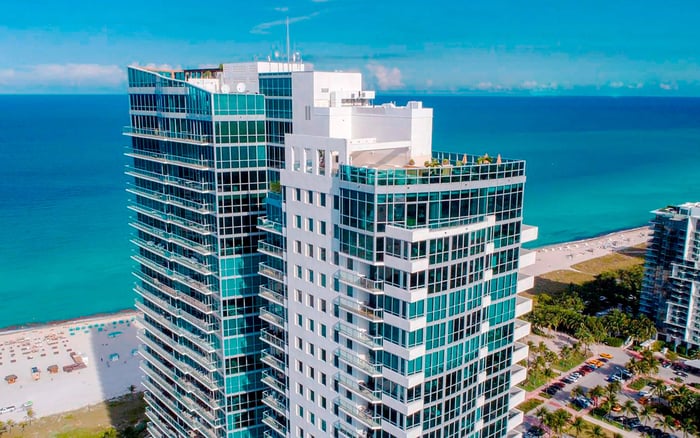
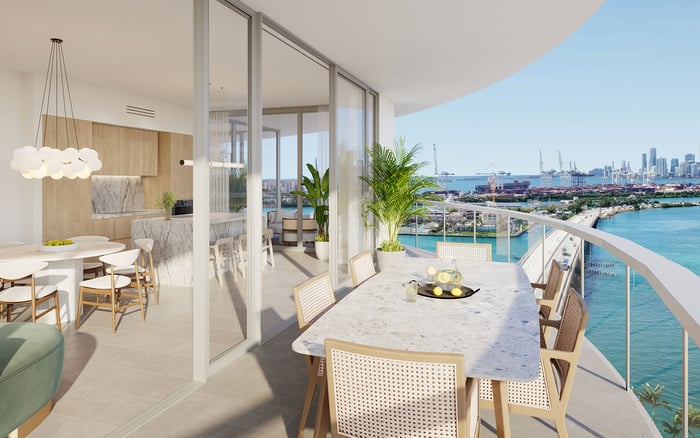
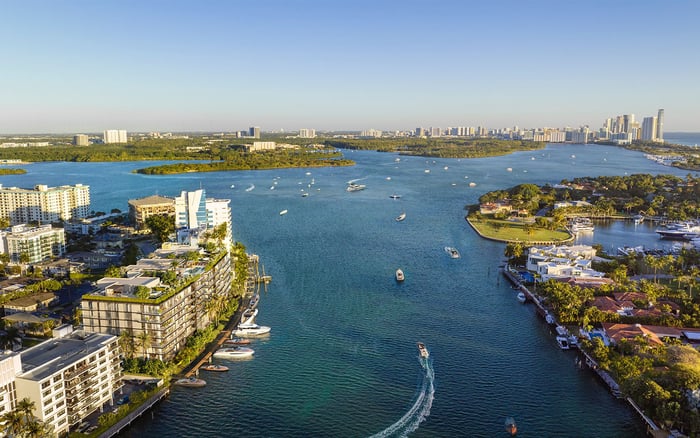
A considered hurricane plan for a Miami Beach residence begins with guests, not finishes. Prepare rooms and terraces, clarify electrical resilience, establish mainland evacuation arrangements, and review cancellation terms before a storm changes the itinerary.
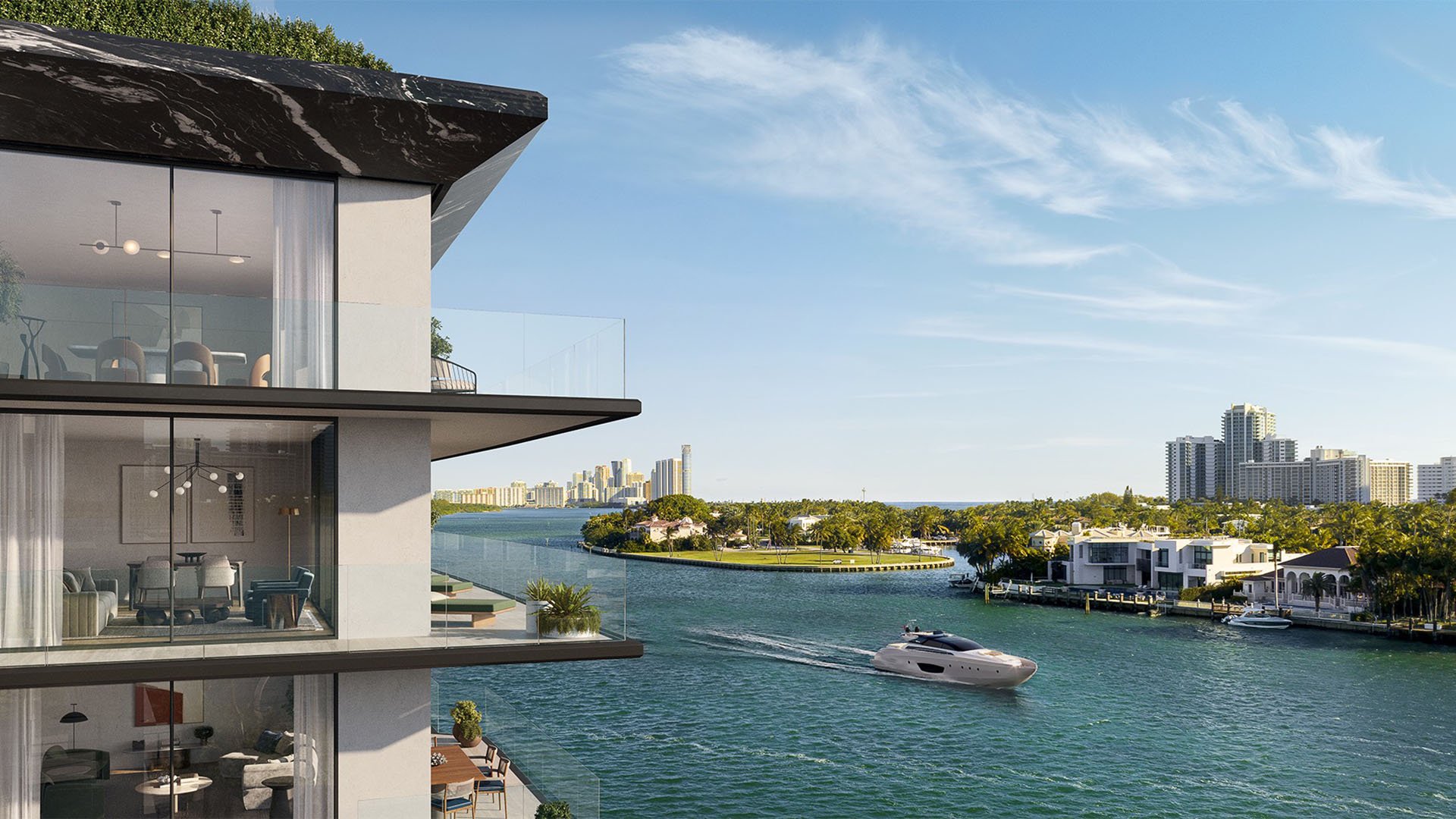
A well-managed Miami Beach residence should make seasonal preparation feel orderly, not improvised. The 2026 Atlantic hurricane season runs June 1 through November 30. For owners welcoming family, accommodating guests or considering a permitted rental, the essential task is to align the household’s departure plan with the property’s protection plan.
Three distinctions matter. Guest-suite priority means preparing guest accommodation and its occupants, not assuming preferential booking rights. Peak-period blackouts refer here to electrical interruptions, not restricted reservation dates or a forecast of outages. Cancellation penalties require a review of the actual agreement, not assumptions about a universal hurricane exception.
The most valuable preparation is clarity: who makes decisions, who secures the residence and where everyone will go. A refined interior is worth protecting, but it is never a reason to delay an ordered evacuation.
All of Miami Beach lies within a storm-surge evacuation zone. There are no hurricane shelters in Miami Beach or nearby coastal communities, so an evacuation plan should identify mainland accommodations or officially designated shelters-not another nearby coastal address.
Listed evacuation routes include Collins Avenue northbound, Julia Tuttle Causeway/I-195 westbound and MacArthur Causeway/I-395 westbound. Understand these routes in advance, but do not assume they will be accessible under every condition. Follow current official directions when an evacuation is ordered.
Give every arriving guest a concise departure brief: the agreed destination, transportation arrangements, household contact and location of essential personal belongings. Ask privately about mobility or other assistance needs before the household is under pressure.
For a buyer considering 57 Ocean Miami Beach, the relevant due-diligence question is not whether a prestigious address removes evacuation exposure. It is how the household’s plan will coordinate with the building’s procedures. That question does not presume any particular services or storm policy at the property.
Guest rooms deserve early attention because visitors may be unfamiliar with the residence’s windows, shutters, balcony doors or emergency arrangements. Prioritizing the suite means inspecting it before arrival and explaining the plan, not simply stocking it for a comfortable stay.
Secure windows, balcony doors and shutters; close curtains and blinds; and move furniture and electronics away from glazing. Cover vulnerable furniture and electronics with plastic as part of pre-storm protection. These measures protect the room’s contents; they do not establish its suitability as a place to remain during a hurricane.
Practice shutter installation before a storm threatens. Where windows lack impact protection or shutters, 5/8-inch plywood is a boarding option; masking tape is not hurricane protection. Have an appropriate professional assess the protection method and any building approvals rather than improvising an installation.
Interior rooms with few or no windows offer better protection during storm conditions. An available guest suite, however generous its proportions, should not automatically become the household refuge. Interior-room protection is not a substitute for complying with an evacuation order.
An owner evaluating Faena House Miami Beach should bring this same room-by-room discipline to the review. Ask how protective measures are coordinated between the residence and management, without assuming that any specific installation or service is included.
Outdoor living requires its own preparation sequence. Remove or secure loose balcony and terrace objects, including furniture, planters and umbrellas, before storm winds arrive. Decide where movable pieces will go and who will handle them while conditions still permit safe work.
For an absentee owner, a written instruction sheet should identify the person authorized to enter, the items to relocate and the person responsible for confirming completion. Photographs can provide a practical household record of the agreed arrangement. These are recommended management practices, not a statement of building requirements.
Keep interior circulation in mind when selecting storage locations. Bringing terrace furniture indoors should not leave guests navigating around it on their way out. The aim is to secure the residence without compromising departure.
Prepare for potentially multi-day power outages with charged power banks, battery lighting, water and other essentials. Planning only for a brief interruption is not enough. Nor is the presence of a generator proof that every household function will remain available.
Request a written explanation of any backup-power arrangements: what equipment is served, what remains unavailable and how residents receive operating updates. Ask specifically about in-residence power, cooling, elevators and access systems. These are due-diligence questions, not claims about a particular building’s capabilities.
At Setai Residences Miami Beach, as at any residence under consideration, a buyer should distinguish the address’s appeal from the precise scope of emergency operations. Confirm the details directly before making plans for guests who depend on powered equipment.
Where applicable, check generator operation before a storm. Never operate a portable generator indoors, in a garage, on a balcony or near open windows. It belongs in a well-ventilated outdoor location away from the residence. Do not run it during the storm; wait until the storm has passed. A condominium balcony is not a portable-generator solution.
Rental eligibility comes before cancellation drafting. Miami Beach prohibits vacation or short-term rentals in all single-family homes and many multifamily buildings in specified zoning districts. In affected properties, the prohibited short-term period is less than six months and one day. Unauthorized rentals can expose occupants to eviction and owners to fines.
Do not assume that a furnished residence or an available guest room establishes rental permission. Confirm the property’s eligibility and applicable building rules before accepting bookings or deposits.
For a permitted stay, have the actual agreement reviewed for storm-related cancellation, evacuation, access interruption and loss of essential services. Ask what happens to payments if arrival becomes impossible, departure is required or the parties agree to reschedule. Clarify notice procedures and who has authority to approve a change.
These are recommended review points, not mandatory clauses or guaranteed entitlements. Do not assume an automatic hurricane refund, a standard penalty percentage or a universal cancellation deadline. Keep booking blackout dates separate from electrical outages, and obtain any reservation restrictions in writing.
Before the next guest arrives, reconcile the room checklist, outdoor-furniture plan, evacuation destination, power assumptions and applicable stay agreement. Name a primary decision-maker and an alternate. Keep instructions accessible to guests and the person responsible for the residence.
The objective is not to promise uninterrupted coastal living. It is to protect people, reduce ambiguity and preserve the home through timely, deliberate decisions.
For a considered approach to Miami Beach ownership, explore MILLION.
If branded residences are on your mind — as a home or as an allocation — we would be glad to share what we are seeing, privately.
Begin a quiet conversationThe season runs from June 1 through November 30. Household and guest preparations should cover that full period.
Yes, all of Miami Beach lies within a storm-surge evacuation zone. Residents and guests should establish an evacuation plan and comply with evacuation orders.
There are no hurricane shelters in Miami Beach or nearby coastal communities. Identify mainland accommodations or officially designated shelters in advance.
Listed routes include Collins Avenue northbound, Julia Tuttle Causeway/I-195 westbound and MacArthur Causeway/I-395 westbound. Follow current official directions during an evacuation.
Here, it means prioritizing guest-room preparation and occupants’ safety. Any reservation or allocation rights must be confirmed separately with the property.
Secure windows, balcony doors and shutters, close curtains and blinds, and move furniture and electronics away from windows. Cover vulnerable items with plastic, but do not treat these measures as a substitute for evacuation.
Remove or secure loose furniture, planters, umbrellas and other objects before storm winds arrive. Decide in advance who will handle the work and where items will be stored.
In this article, blackouts refer to electrical outages, not reservation restrictions or a 2026 outage forecast. Prepare for potentially multi-day interruptions and confirm any booking restrictions separately.
No. Never operate a portable generator indoors, in a garage, on a balcony or near open windows; use a well-ventilated outdoor location away from the residence only after the storm has passed.
Do not assume an automatic refund or universal cancellation rule. Review the applicable agreement and obtain advice on storm, evacuation, access and service-interruption provisions before committing funds.