A discreet owner’s guide to keeping a Miami Beach residence private during major event periods, with practical guidance on verified arrivals, household confidentiality, street access, and the limits of special-event permitting.
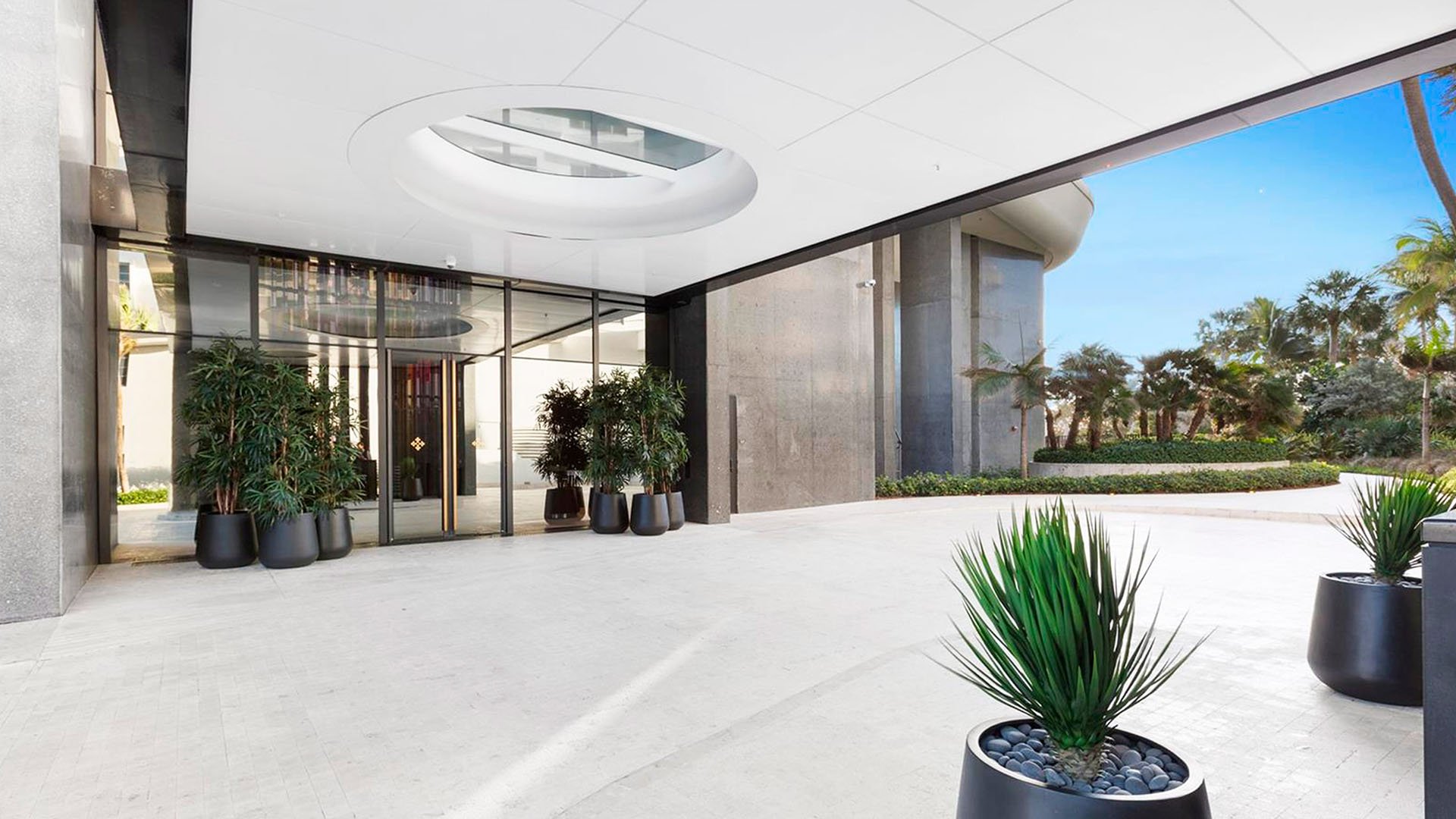
A Miami Beach residence should remain a private retreat even when the surrounding event calendar becomes intensely public. If a nearby hotel, retail space, or public gathering reaches capacity, the household’s response should already be clear: access remains invitation-based, and hospitality does not become an open-ended offer to accommodate additional arrivals.
This is a planning scenario, not a claim that any particular venue has exceeded capacity or that any residence has experienced a privacy breach. The distinction matters. Sound preparation anticipates potential pressure without turning an owner’s home into an extension of a neighboring event.
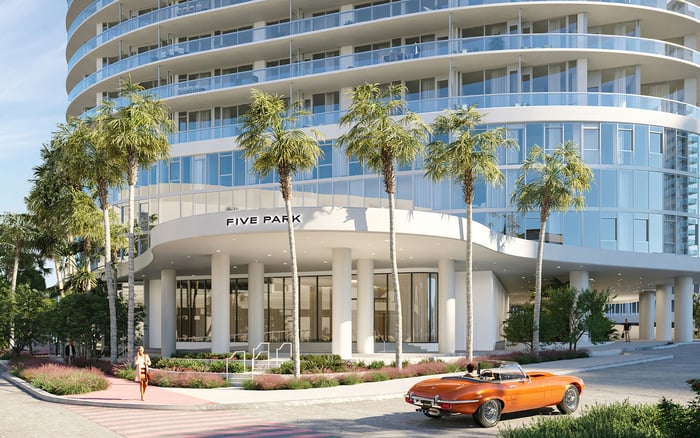
For buyers considering Five Park Miami Beach, the question is not simply how appealing an arrival feels on an ordinary day. It is how residential access would be managed during a demanding event period, with the applicable arrangements confirmed rather than assumed.
Miami Beach requires special-event permits for events on public property and on private commercial property, including hotels, restaurants, and retail spaces, when the event changes the property’s approved use. Permit triggers can include exceeding temporary occupant capacity, installing certain temporary structures, or requiring municipal services.
The city does not issue special-event permits for private residential property. An owner should therefore not assume that a residence can become a permitted commercial overflow venue because a nearby gathering has run out of room. Nor should ordinary residential hospitality be treated as automatic authorization for a different commercial purpose.
Before accepting a proposal involving event guests, promotional activity, or an expanded gathering, clarify the property’s permitted use and the building’s rules with the appropriate advisers. Miami Beach, the City of Miami, and North Miami Beach are separate jurisdictions. A rule applicable elsewhere is no substitute for the requirements governing the residence.
A useful household access plan is clear enough to follow without improvisation. As a recommended owner protocol, pre-register guests, staff, and vendors; identify one controlled arrival point; and decline unverified walk-ins. Coordinate secondary entrances with management so they remain controlled without compromising required emergency access.
Designate one household representative to approve changes. A visitor who says they know the owner, attended a nearby event, or received an informal invitation should not bypass verification. Give staff a courteous response that preserves discretion without confirming whether the owner is present.
When evaluating a residence within Faena House Miami Beach, buyers can ask management how visitor verification and household authorization would work together. This is a due-diligence question, not an assertion about the property’s existing procedures. The objective is a documented process that remains consistent when arrivals become less predictable.
Privacy depends as much on information handling as on the front door. Give household staff written instructions not to disclose occupancy, travel schedules, guest identities, vehicle information, or photographs. Apply the same expectations to temporary personnel and vendors given access.
Limit operational details to those who need them. A driver may need an approved pickup point; a delivery team may need a handoff window. Neither necessarily needs the owner’s wider itinerary or the identities of other guests.
Buyers considering Setai Residences Miami Beach should ask how household instructions can be coordinated with the relevant management team. Do not assume that a service relationship establishes a particular confidentiality procedure. Written expectations make the owner’s preferences easier to communicate and reduce reliance on memory during a busy week.
Event access planning should extend beyond advertised opening hours. Restrictions may apply before, during, and after a public event, making load-in and breakdown relevant to residents even when they never attend.
The 2026 Miami International Boat Show illustrates that distinction. Road closures near the Miami Beach Convention Center were scheduled from February 3 through February 19. Increased congestion was anticipated around the Convention Center, adjacent Collins Avenue, and surrounding streets during show hours. Collins Avenue had no scheduled lane closures, yet load-in activity beginning February 2 was expected to affect the avenue.
A road can remain open while access becomes less convenient. Request the building’s written closure and access plan, including expected effects on garage entries, deliveries, and pickups. Establish an alternative pickup point and route that are both permissible and practical. Treat neither an open lane nor an event’s closing time as a promise of an uncomplicated arrival.
For permitted events, Miami Beach Police may require additional off-duty officers or private security for crowd control, traffic management, and general security. Assessments consider attendance, location, operating hours, entertainment, alcohol service, and the site plan.
The 2024 requirements call for contracted private security personnel to hold Florida licenses, with their names and licensing information submitted to the Police Department at least two weeks before the event. These are event requirements, not a blanket staffing mandate for every nearby household.
An owner’s residential security plan should be proportionate to the property and coordinated with management. If supplemental personnel are contemplated, clarify their responsibilities, authorization, and relationship to existing building procedures. Additional personnel should reinforce a clear access protocol, not introduce a second, conflicting chain of approval.
For eligible private-property events, the special-event application lead time is 60 days before the first load-in day. The 2024 requirements also include a 30-day interval, so confirm the applicable requirement rather than relying on the shorter one. Neither provision creates a residential permitting route.
Street, sidewalk, and travel-lane closure requests generally require at least 45 days’ notice. Approval from affected landlords or residents may be required when a proposed closure interferes with direct vehicular access to buildings. Event restrictions prohibit closures, lane reductions, or traffic holds during weekday rush hours of 7:00-10:00 a.m. and 3:30-7:00 p.m., but do not guarantee congestion-free travel.
Owners need not manage an event application to benefit from early preparation. Use the lead-up to verify delivery handoffs, review driver instructions, and confirm who will communicate access changes.
For a Second-home, prepare the protocol before the owner returns, not when an unexpected visitor arrives. Protect lifestyle convenience by deciding who can authorize entry, who receives access updates, and how household information will remain private during an absence.
When evaluating The Perigon Miami Beach, apply the same buyer-oriented test: request clarity on the relevant access arrangements rather than inferring operational protections from the address or presentation. The strongest preparation preserves ordinary residential life without inviting the surrounding event into the home.
For a discreet conversation about selecting a residence around your privacy and access priorities, connect with MILLION.
If branded residences are on your mind — as a home or as an allocation — we would be glad to share what we are seeing, privately.
Begin a quiet conversationMiami Beach does not issue special-event permits for private residential property. Owners should not assume a home can become a permitted commercial overflow venue.
Events on private commercial property require a permit when they change the property’s approved use. Certain capacity issues, temporary structures, or needs for municipal services can trigger permitting requirements.
A recommended household protocol is to decline entry until the designated representative verifies and authorizes the visitor. Staff should avoid disclosing whether the owner is present.
Written instructions should cover occupancy, travel schedules, guest identities, vehicle information, and photographs. This is a recommended privacy practice, not a cited municipal mandate.
Yes. Event-related street restrictions can apply before and after public opening hours, so the household plan should cover the full disruption window.
No Collins Avenue lane closures were specified, but load-in activity beginning February 2 was expected to affect the avenue. An open road does not guarantee easy access.
The stated lead time is 60 days before the first load-in day, while the 2024 guidelines also contain 30-day language. Confirm the applicable requirement; neither interval creates a residential permitting route.
Street, sidewalk, and travel-lane closure requests generally require at least 45 days’ notice. Approval from affected landlords or residents may be required if direct vehicular access is affected.
No. Event staffing requirements are distinct from a nearby household’s security plan, which should be coordinated with management and tailored to the property.
No. Published event rules prohibit closures, lane reductions, or traffic holds during specified weekday rush hours, but traffic congestion may still occur.