A discreet winter-season operating plan for Hillsboro Beach homeowners, covering disturbance-based sound rules, vendor scheduling, elevator coordination, catering cleanup, and neighbor relations.
A Hillsboro Beach residence can be beautifully furnished and still be unprepared for winter entertaining. The more consequential details sit behind the scenes: when contractors finish, how caterers arrive, where rentals wait, and who responds if a neighbor hears the music. Luxury, in this setting, is the absence of avoidable friction.
The Palm Beach winter season provides the social context, not the governing jurisdiction. Plan a Hillsboro Beach household around Hillsboro Beach requirements and the property's own documents. Confirm current ordinance language and amendments before setting work schedules; review association and management requirements separately.
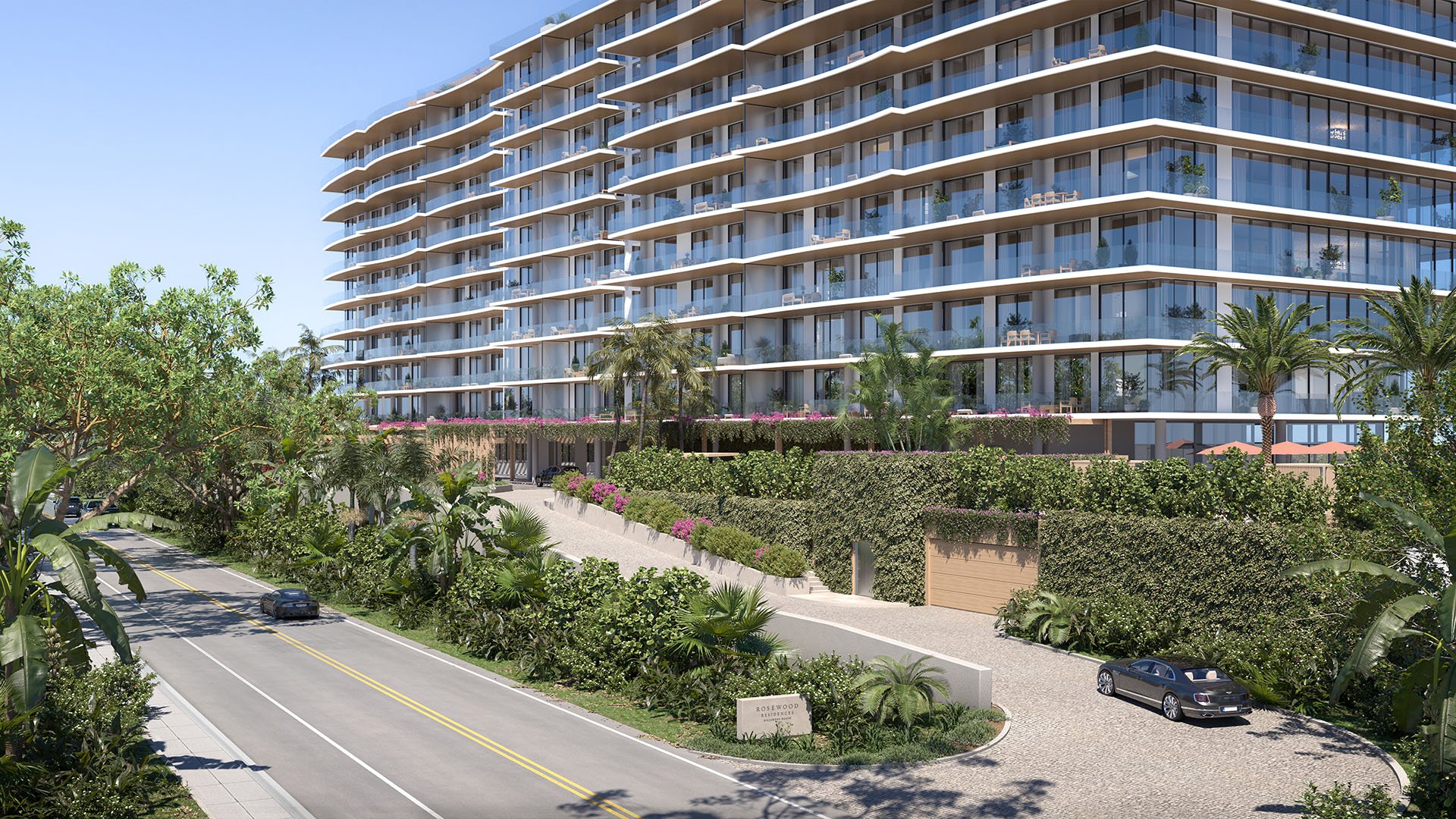
For buyers considering Rosewood Residences Hillsboro Beach, these questions belong alongside the floor-plan discussion. Ask how a prospective household would coordinate seasonal arrivals and private entertaining. Do not assume that a project's identity establishes any particular operating policy.
Hillsboro Beach prohibits unreasonably loud, disturbing and unnecessary noise whose character, intensity, or duration disturbs public peace or harms individual welfare. Amplified sound is specifically covered, including radios, televisions, amplifiers, and musical instruments. The practical question is not simply the speaker setting, but the disturbance it creates.
Do not build an event around an assumed universal private-party cutoff. An early finish does not, by itself, establish compliance, and a household's preferred quiet hour is not a legal safe harbor.
Give one person authority to lower or stop the music immediately. Before guests arrive, check how sound carries toward adjacent residences and shared areas, wherever access is permitted. Treat speaker placement, open doors, terrace conversation, and departure noise as parts of the same plan.
Set an internal quiet-transition time to lower music and move conversation away from exposed areas. This is a courtesy measure, not permission to create a disturbance beforehand. Brief the caterer as well: the final cart movement deserves the same attention as the first toast.
An instruction to finish everything before the weekend is not enough. Lawn maintenance and construction have different scheduling parameters.
The lawn-maintenance provisions specify an 8:00 a.m. to 4:00 p.m. window, Monday through Friday, with work prohibited on Saturdays, Sundays, and listed legal holidays. Landscape equipment has a stated limit of 65 dBA measured at 75 feet from its operating point. That figure is not a general sound allowance for a private dinner or terrace gathering.
The town's 2020 construction-hours amendment generally permits construction from 8:00 a.m. to 6:00 p.m. on weekdays. A conditional weekend exception applies to minor interior residential remodeling or repairs within those daytime hours, provided nearby occupants or neighbors are not disturbed. It is not blanket permission for weekend renovation.
Construction is also prohibited on specified holidays, including Thanksgiving, Christmas Day, New Year's Day, Memorial Day, Independence Day, and Labor Day. Confirm current requirements before booking. Do not automatically apply lawn-equipment restrictions to pool servicing or pressure washing; clarify how each activity is treated.
Where elevators and common areas are involved, ask management to review the proposed arrival sequence before vendors receive instructions. Reservations, service entrances, insurance documentation, loading windows, and separate guest and vendor routes are questions to resolve-not universal mandates to assume.
Create a simple sequence for flowers, food, rentals, staff, and guests. Give each vendor a named household contact and clarify what happens if a vehicle arrives early or unloading runs long. Request an approved waiting location rather than allowing equipment to accumulate in a lobby or corridor.
An owner comparing Hillsboro Beach with Alina Residences Boca Raton should ask these operational questions independently at each property. Neither town requirements nor building procedures should be carried from one address to another.
Plan departures and collections as carefully as arrivals. Confirm whether rental collection can occur after the event, whether temporary storage is permitted, and which route cleanup staff should use. Staggering movements is a planning recommendation; management must confirm what the residence allows.
A polished dinner should not end with an ambiguous handoff. Put cleanup responsibilities into the catering agreement before approving the menu. Specify who supervises the final walkthrough and who remains reachable afterward.
Assign responsibility for food waste, grease removal, bottles, packaging, spills, rental collection, and restoration of any common areas used. Specify how damage will be documented and addressed. A vague promise to leave everything tidy is not enough when several vendors share the same route.
General waste and recycling guidance does not establish a particular residence's collection schedule, accepted materials, or arrangements for event-volume disposal. Confirm those details with the property team and relevant collection provider. Ask explicitly whether the caterer must remove event waste and which grease-handling arrangements are permitted.
Separate the end of hospitality from the end of work. Agree on a quiet breakdown sequence, a permitted collection window, and any approved holding area. Keep responsibility with a named person until the last rental and waste container have been accounted for.
Advance notice should be brief and practical. Share the anticipated gathering window, any relevant arrival activity, and one household contact who can act during the event. Notice is a courtesy, not an exemption from sound rules or property requirements.
Avoid promising that nothing will be audible. Promise responsiveness instead. If a concern arrives, acknowledge it, identify the likely cause, and take corrective action promptly. Record the complaint, time, and response to inform the next gathering.
Ask the household lead to remain available through breakdown. A host may reasonably delegate the response, but responsibility should remain clear after dinner ends. The most valuable neighbor relationship is one in which a small problem can be resolved before it becomes a recurring one.
For a buyer also considering Glass House Boca Raton, entertaining needs should prompt questions about the specific property's documents and proposed operating arrangements-not assumptions about service or access.
Before opening the Hillsboro Beach residence for the season, assemble a concise household brief: confirmed work windows, management contacts, vendor instructions, sound-response authority, cleanup assignments, and complaint procedures. Revisit it whenever the guest count, vendor team, or event format changes.
The objective is not to make hospitality feel procedural. It is to settle the procedures early enough that owners, guests, staff, and neighbors can enjoy a more composed season.
Explore South Florida residences with your seasonal lifestyle in mind at MILLION.
If branded residences are on your mind — as a home or as an allocation — we would be glad to share what we are seeing, privately.
Begin a quiet conversationThe seasonal social context does not change jurisdiction. Plan around Hillsboro Beach requirements and the residence's own property documents.
Do not assume one. Ending before a particular hour does not establish compliance with Hillsboro Beach's disturbance-based noise rules.
Yes, amplified sound is covered by the town's noise rules. Manage music by the disturbance it creates, not simply the speaker setting.
No. The stated 65 dBA limit measured at 75 feet applies to landscape equipment, not as a general allowance for private-party sound.
The provisions identify 8:00 a.m. to 4:00 p.m., Monday through Friday, excluding listed legal holidays, with weekend work prohibited. Confirm current requirements before scheduling.
The 2020 amendment includes a conditional exception within 8:00 a.m. to 6:00 p.m. if nearby occupants or neighbors are not disturbed. Confirm current town and property requirements before proceeding.
Do not assume a universal reservation requirement. Ask management about elevator reservations, loading windows, service entrances, and vendor documentation for the specific property.
Assign responsibility for waste and grease removal, spills, rentals, common-area restoration, and damage. Name a supervisor responsible through the final walkthrough.
Confirm this with the property team and relevant collection provider. Collection schedules, accepted materials, and event-volume arrangements require property-specific approval or clarification.
Provide one reachable contact with authority to act, acknowledge the concern, and correct the problem promptly. Record the issue and response to improve future planning.