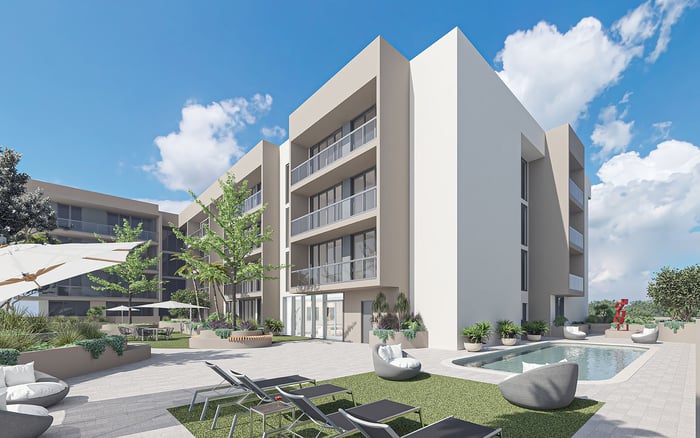
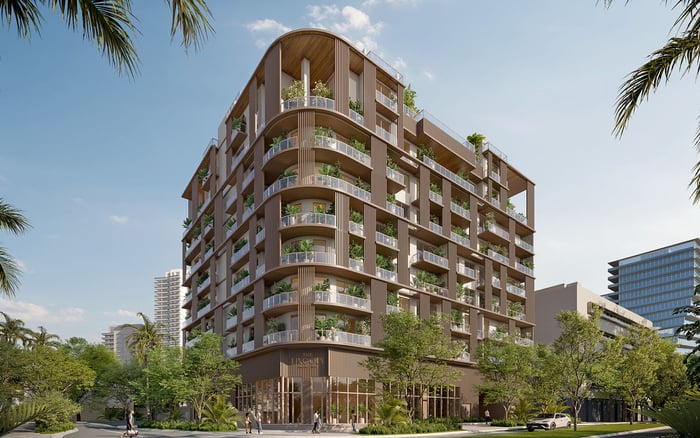
A disciplined approach to Arbor Coconut Grove ownership separates personal liquidity from association reserves, ties funding to contractual milestones, and evaluates completion obligations before committing capital.
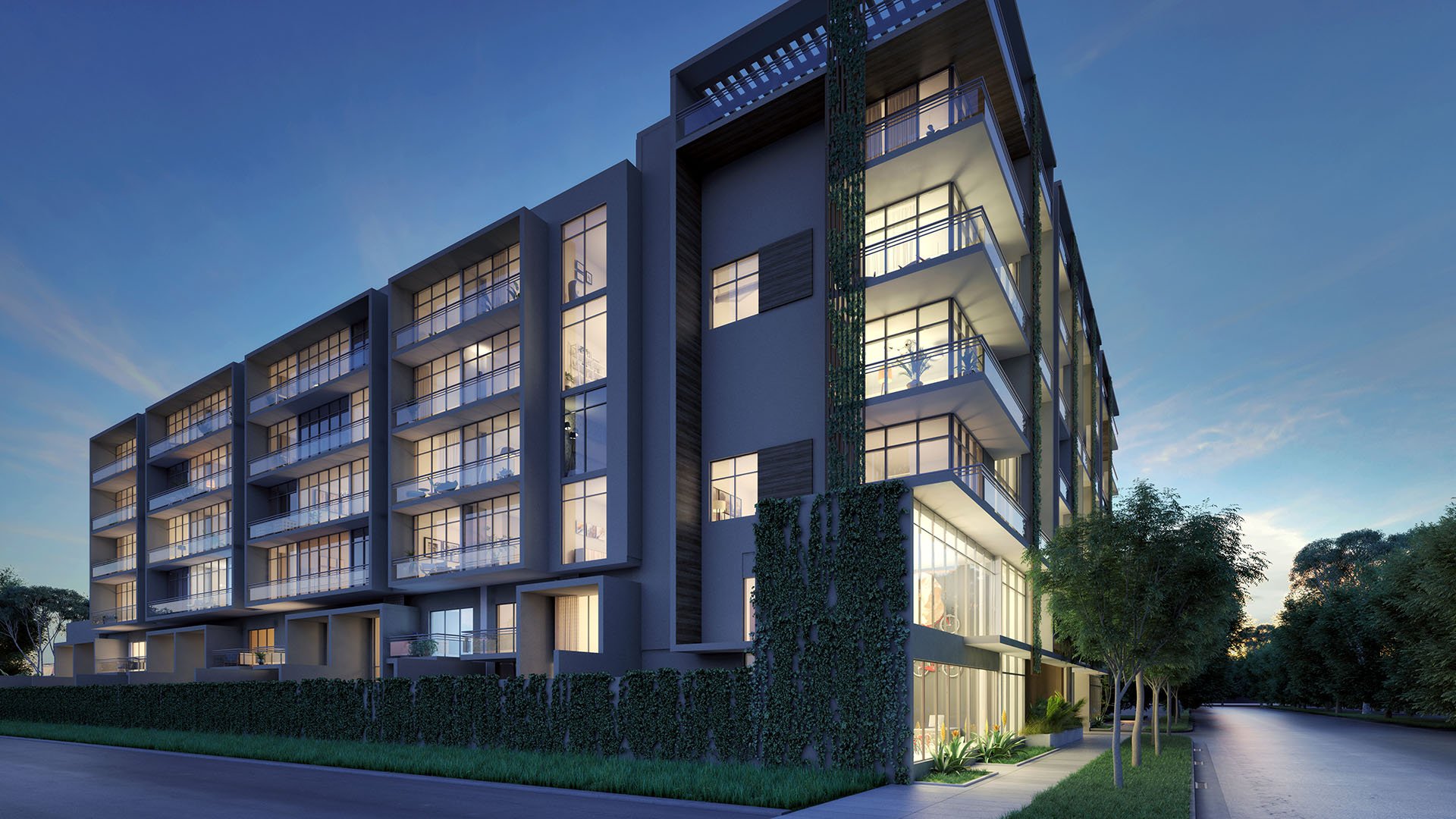
At Arbor Coconut Grove, the appeal begins with a central Grove address: 3034 Oak Avenue, directly behind CocoWalk. Marketed as a five-story, eco-oriented boutique condominium, Arbor offers two- and three-bedroom residences, including lofts, townhomes and penthouses with private terraces. The scale is intimate rather than monumental.
For a high-value buyer, financial preparation deserves as much attention as the floor plan. The purchase price is one commitment; the timing of deposits, closing funds, interior spending and potential association obligations requires a separate planning exercise. Personal liquidity and condominium reserves belong on different balance sheets.
The objective is not to predict an assessment without evidence. It is to structure ownership so that a documented payment obligation does not force an inconvenient portfolio decision.
Arbor secured a temporary certificate of occupancy by March 2026, following an original expected completion in 2019. That milestone matters, but it does not confirm that every construction obligation, punch-list item or completion risk has been resolved.
The project's history underscores the need for document-level diligence. The unfinished development changed hands through a deed-in-lieu-of-foreclosure transaction. A subsequent completion and sales relaunch plan contemplated total project spending exceeding $60 million. Earlier buyers' deposits were returned before sales and construction were relaunched.
These facts describe the development's history; they are not evidence of a current homeowner capital call. Historical construction financing should not enter a buyer's association liability forecast without a documented basis connecting the two.
Before committing, ask counsel to review the purchase agreement, current completion status, outstanding obligations and responsibility for unresolved work. Distinguish the right to occupy from the contractual delivery standard, and identify the documents that establish each.
Arbor is marketed as a 45-residence condominium, although some marketing materials retain different counts. Confirm the governing documents rather than relying on promotional inventory figures to calculate an owner's share of future costs. Neither a residence count nor a purchase price establishes the applicable expense allocation.
The association review should connect four items: the adopted budget, reserve schedule, current financial statements and any adopted capital-project schedule. Meeting minutes and applicable engineering assessments can provide context for work under discussion. Formal approvals and notices help distinguish a possible expense from an actual obligation.
A buyer considering Park Grove Coconut Grove alongside Arbor should apply the same documentary standard to both properties. A neighborhood comparison is no substitute for examining how each association funds its responsibilities.
Ask whether reserve balances are already committed, which assumptions support projected spending and when the budget was last updated. A balance is meaningful only in relation to the work it is intended to fund.
The buyer's personal liquidity policy governs access to money for ownership. The association's reserve investment policy governs money held for common-property needs. Neither automatically compensates for weaknesses in the other: a well-funded owner does not establish a well-funded association, and association reserves are not personal closing funds.
For personal planning, build the policy around documented obligations rather than a universal cash-buffer percentage. Identify amounts already committed, the earliest enforceable payment dates and the assets intended to fund them. Discuss settlement timing, withdrawal restrictions, potential taxes and financing contingencies with the appropriate advisers before relying on those assets.
For association reserves, request the written investment policy, if adopted, and supporting account information. Ask about authorized investments, maturity dates, access to funds, custody, approval authority and monitoring. The central question is whether funds can be available when the association expects to spend them.
Do not assume Arbor follows a particular investment strategy or reserve-funding formula. Establish its actual arrangements from current records. Leave legal conclusions about required funding or assessment procedures to counsel reviewing the applicable documents and law.
Organize anticipated cash needs into three separate tracks, labeling each entry as contractual, approved, estimated or contingent. This keeps a planning allowance from being mistaken for a bill already due.
Purchase commitments.
Extract deposits, additional payments, closing requirements and notice periods directly from the executed agreement and amendments. A temporary occupancy milestone does not establish the payment terms of a developer sale. Do not substitute a presumed resale schedule for the contract.
Residence preparation.
Build a separate schedule for proposed furnishings, design work or alterations. Obtain quotations and payment terms before treating these as fixed obligations, and confirm building approvals where relevant. Keep discretionary upgrades distinct from funds required to complete the acquisition.
Association obligations.
Record adopted charges and assessments using the governing allocation and payment notices. Track proposed work separately, noting its decision status and unresolved cost assumptions. Do not assign a date or amount to a future assessment merely because a building has a capital need under discussion.
For each track, identify the funding account, the person responsible for authorizing payment and the next verification date. Then test whether obligations could overlap. This is a planning scenario, not a prediction about Arbor's future charges.
Advertised layouts illustrate why purchase planning should remain residence-specific. Plan E is marketed from approximately $1.87 million, with three bedrooms, two bathrooms, approximately 1,575 interior square feet and a 123-square-foot terrace. Plan G is advertised from approximately $2.52 million, with three bedrooms, two bathrooms, approximately 1,870 interior square feet and a 348-square-foot terrace.
These are advertised starting prices, not closed-sale evidence or confirmation of present availability. They should not anchor assumptions about appreciation, resale speed or the final negotiated price.
Arbor's advertised amenities include a rooftop terrace, courtyard pool deck, fitness center, social lounge, valet and concierge services. Review how the adopted budget accounts for these offerings, distinguishing service operations from longer-term capital needs. The amenity description alone establishes neither their annual cost nor the adequacy of reserves.
If Opus Coconut Grove is also on the shortlist, compare documented ownership obligations rather than assuming that similar location preferences imply similar cash requirements.
The final decision should rest on a reconciled purchase schedule, a current association financial review and a personal funding plan that preserves flexibility. Resolve discrepancies between marketing, contract language and association records before treating any amount or date as settled.
For Arbor, disciplined preparation means recognizing both the residential appeal and the distinction between a completion milestone and fully resolved delivery obligations. Luxury ownership is more comfortable when the capital calendar is as carefully considered as the home itself.
For a discreet conversation about your Coconut Grove purchase priorities, connect with MILLION.
If branded residences are on your mind — as a home or as an allocation — we would be glad to share what we are seeing, privately.
Begin a quiet conversationArbor is at 3034 Oak Avenue, Miami, FL 33133, directly behind CocoWalk in central Coconut Grove.
Arbor is marketed as a 45-residence condominium, although some marketing materials retain different counts. Confirm the governing documents before using a residence count in financial planning.
It represents a completion milestone reached by March 2026. It should not be treated as proof that every construction obligation or punch-list item has been resolved.
No. Advertised starting prices are not closed-sale evidence and do not confirm current availability, appreciation or resale speed.
Personal liquidity funds the buyer's own obligations, while association reserves fund common-property needs. They should be reviewed separately.
Review the adopted budget, reserve schedule, current financial statements, applicable engineering assessments and meeting minutes. Formal approvals and payment notices help establish actual obligations.
The executed purchase agreement and amendments establish the applicable payment requirements. Do not infer a developer sale's deposit schedule from its occupancy status.
No. Development financing history alone does not establish a current association liability or homeowner payment obligation.
Request any adopted written policy and supporting account information. Review authorized investments, maturities, access to funds, custody and approval authority against anticipated spending.
The planning approach here uses documented obligations and their timing rather than a universal percentage. Coordinate the funding plan with advisers who understand your assets, taxes and purchase terms.