A buyer-focused comparison of three distinct Coconut Grove residential propositions, examining how service delivery, privacy, operating costs, and long-term liquidity intersect.
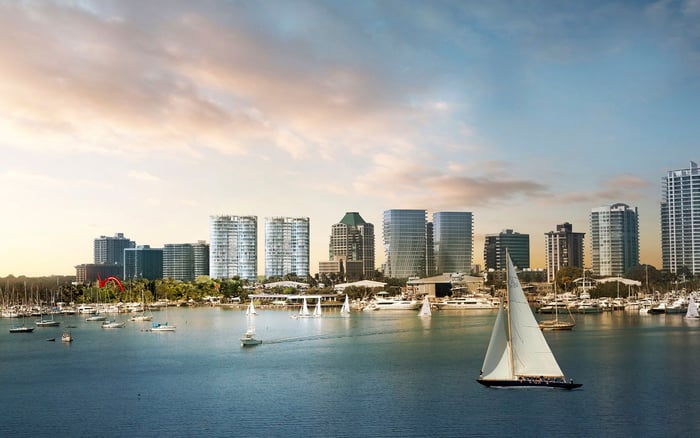
Coconut Grove offers several interpretations of contemporary luxury, yet the most consequential distinctions rarely appear in an amenity brochure. For buyers, the sharper comparison begins with three questions: How will service feel on an ordinary day? How private will movement through the property actually be? What will it cost to preserve that experience over time?
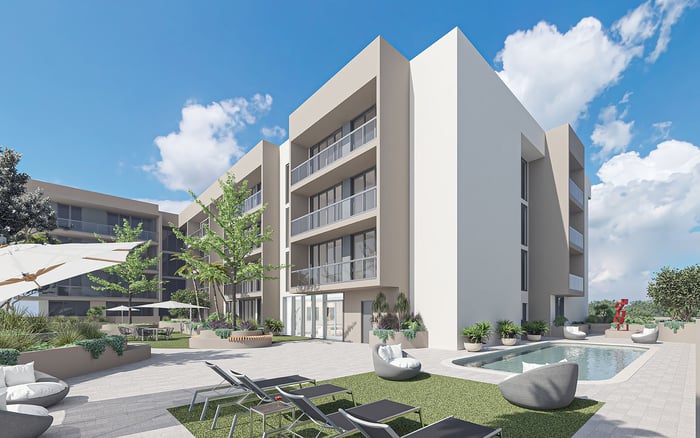
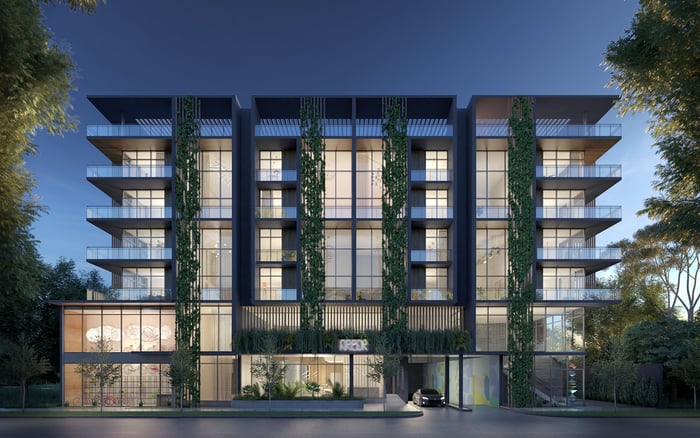
Those questions place Arbor Coconut Grove, Mr. C Tigertail Coconut Grove, and Opus Coconut Grove within a useful shared frame. Arbor presents a boutique, low-rise, neighborhood-oriented proposition. Mr. C is positioned among Branded Residences, with hospitality central to its identity. Opus is conceived as an ultra-limited, design-led offering with collectible appeal. None is inherently the universal choice. Each asks buyers to assign a different value to attention, discretion, and recurring expense.
Luxury service should be evaluated as a daily operating system, not a collection of promises. The relevant questions are which roles are staffed, when coverage is available, how requests are handled, and how the model will be funded after turnover. Governing documents, proposed budgets, management agreements, and purchase contracts should be read together; no single document necessarily captures the full experience.
At Mr. C Tigertail Coconut Grove, the hospitality-driven model makes execution especially important. Buyers should determine whether the anticipated service level matches their routines and whether its recurring cost is proportionate to practical use. Brand recognition may contribute to desirability and future liquidity, but only sustained delivery can translate recognition into durable owner value.
Arbor Coconut Grove presents a different service question. In a smaller-scale environment, buyers should examine whether staffing coverage meets their expectations without creating an outsized expense. Opus Coconut Grove sharpens the issue further: a highly limited ownership base may enable attentive service while concentrating the cost of fixed personnel and operations among fewer residences.
Privacy is not simply a function of residence count. It is the cumulative result of elevator sharing, lobby activity, guest access, vehicle circulation, terrace exposure, staff movement, and the number of people using common amenities at peak times.
At Arbor, boutique character makes shared-space traffic and staffing patterns central to the assessment. Buyers should ask how often residents are likely to cross paths, how deliveries are managed, and whether elevator use supports the desired sense of separation. At Opus, rarity may suggest discretion, but the circulation plan still determines whether exclusivity is perceptible in daily life.
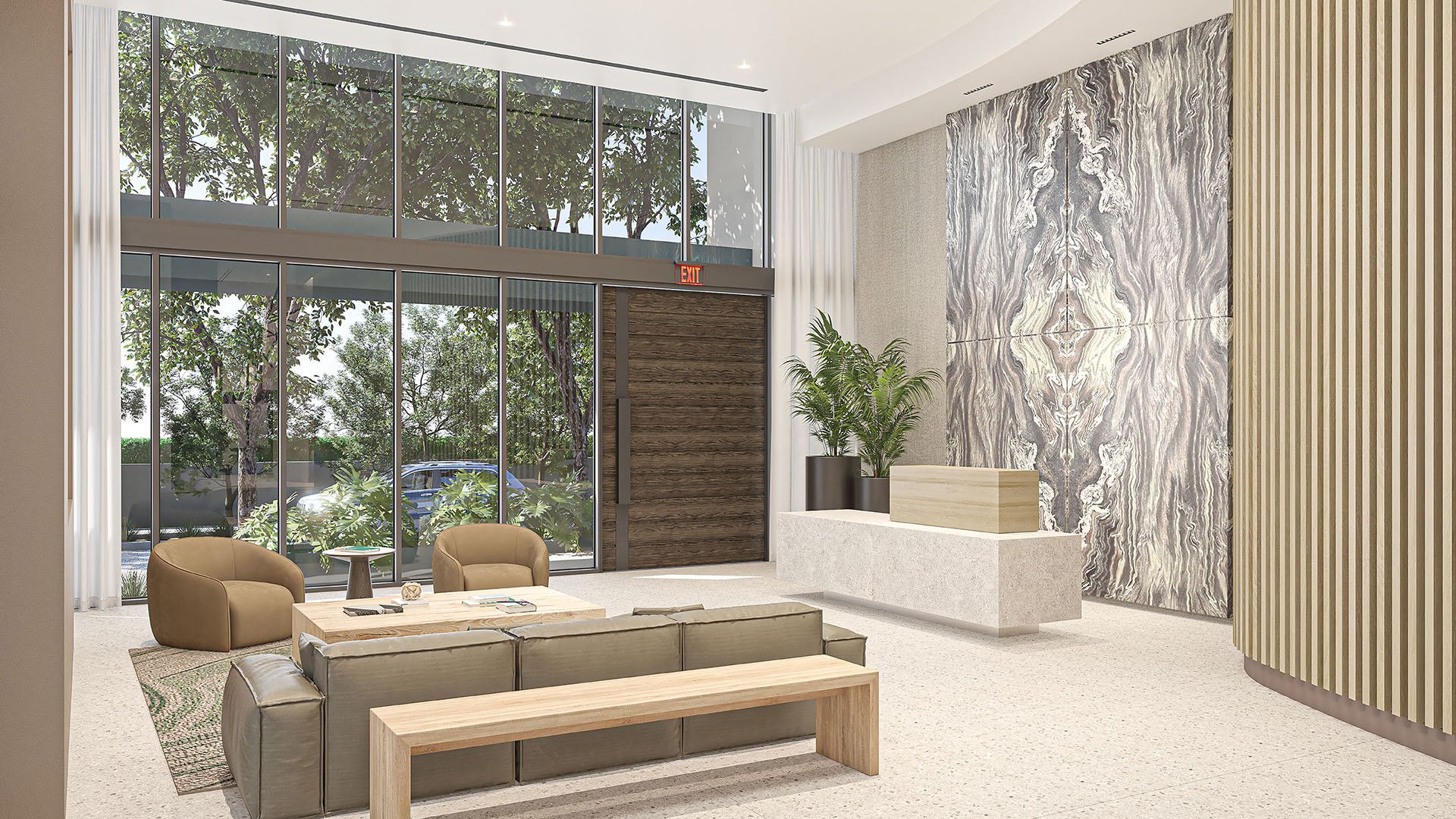
At Mr. C, the inquiry should encompass how residents, staff, visitors, vehicles, and any transient guests move through the lobby, elevators, pool, and other shared areas. The essential distinction is between privacy as a marketing idea and privacy as a choreography of access.
A single monthly figure cannot explain the full economics of ownership. Buyers should separate recurring staffing and routine operations from amenities, insurance, statutory reserves, maintenance, and future capital projects. This layered view clarifies what supports the lifestyle today and what protects the building tomorrow.
Scale matters. At Opus, fixed staffing, maintenance, insurance, and reserve obligations may be distributed across a small ownership base. Buyers must decide whether design scarcity and exclusivity justify a potentially higher per-residence burden. At Arbor, the same review should test whether a boutique operating model balances coverage with restraint. At Mr. C, buyers should identify what portion of recurring expenses supports hospitality and whether those services will remain valuable throughout the intended holding period.
Current fees, reserve schedules, insurance figures, staffing ratios, and residence counts should be confirmed directly in the applicable documents. The objective is not merely to find the lowest carrying cost. It is to understand what the cost purchases, which obligations can change, and whether the structure aligns with the building’s long-term positioning.
A longer holding period reframes the comparison. Brand strength may broaden recognition, while scarcity may distinguish a property from future inventory. Boutique character may appeal to buyers who prefer a residential atmosphere to a more overt hospitality environment. Each advantage is conditional.
For resale, buyers should consider whether future purchasers are likely to value the same service model, privacy pattern, and cost structure. Mr. C may benefit from recognizable positioning if operations remain convincing. Opus may draw support from design rarity if upkeep preserves its collectible character. Arbor may appeal through its low-rise, neighborhood-oriented identity if expenses and service remain balanced. Liquidity and resale performance remain uncertain, so a prudent case should account for competing inventory and changing ownership costs.
The best decision is personal, but not subjective in every respect. A service-led buyer should scrutinize staffing and funding. A privacy-led buyer should map every circulation route. A cost-conscious buyer should study fixed obligations and reserves rather than rely on a headline fee.
These projects express three distinct versions of Coconut Grove luxury: neighborhood intimacy, branded hospitality, and design scarcity. The sophisticated buyer tests each against ordinary routines, not only arrival moments.
What is the central difference among the three projects? Arbor emphasizes boutique neighborhood character, Mr. C centers hospitality, and Opus foregrounds limited scale and design-led scarcity.
How should buyers verify promised service? Review governing documents, proposed budgets, management agreements, and purchase contracts to understand staffing, delivery, and funding.
Does a smaller building automatically provide greater privacy? No. Residence count matters, but elevators, guests, vehicles, terraces, staff, and amenity use also shape privacy.
Why is circulation important at Mr. C? The resident experience depends on how owners, staff, visitors, vehicles, and any transient guests share common areas.
What ownership-cost categories should be separated? Distinguish staffing and routine operations from insurance, statutory reserves, maintenance, amenities, and future capital projects.
Can limited scale increase per-residence costs? Yes. Fixed obligations may be shared among fewer owners, potentially increasing each residence’s share.
Does branding guarantee stronger resale performance? No. Brand recognition may support interest, but service quality, costs, competition, and market conditions also influence liquidity.
What supports the investment case for Opus? Its case rests on whether buyers continue to value design scarcity and exclusivity enough to offset concentrated ownership costs.
What should an Arbor buyer prioritize? Examine shared-space traffic, elevator use, staffing coverage, and whether the budget appropriately balances service with reserves.
What is the best lens for a long holding period? Assess whether service, privacy, operating expenses, brand strength, and scarcity can remain persuasive over 10 to 15 years.
For a confidential assessment and a building-by-building shortlist, connect with MILLION.
If branded residences are on your mind — as a home or as an allocation — we would be glad to share what we are seeing, privately.
Begin a quiet conversation