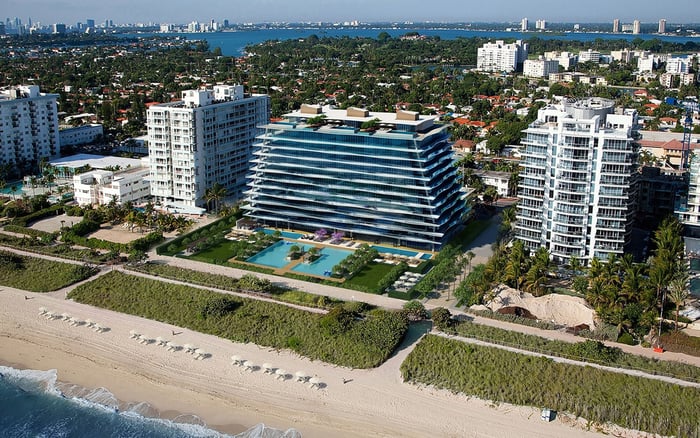
For siblings purchasing a seasonal Florida condominium, preclosing diligence should connect structural findings, reserve funding, unresolved repairs, and a written understanding of shared ownership. The essential questions concern not simply what documents exist, but what remains to be paid, repaired, and decided.

A seasonal residence should make family time feel effortless. For siblings buying together, that ease depends on decisions made before closing: what the building needs, how those needs will be funded, and who can act when an unexpected expense arrives. Agreement on the view is not agreement on the obligations.
This review concerns Florida condominiums, not every form of seasonal property. Whether a Miami Beach search includes Faena House Miami Beach or another residence, the relevant questions concern the specific association and unit. A project name alone tells buyers nothing about inspection findings, reserve adequacy, or outstanding work.
Treat the acquisition as two connected reviews: the association’s physical and financial position, and the siblings’ arrangement for sharing ownership. Neither should rest on an informal understanding when the purchase closes.
Florida condominium resale disclosures include governing documents, the latest annual financial statement and budget, and applicable milestone-inspection, Structural Integrity Reserve Study, and developer-turnover inspection materials. The framework calls for the most recent SIRS, or a conspicuous statement that a required study has not been completed or is not required.
Start by asking which materials apply to the building, which versions are current, and what remains outstanding. Missing documents call for clarification, not an assumption that no obligation exists. Ask your attorney to distinguish required disclosures from additional due-diligence requests; buyers do not automatically have a right to every recommended document.
Keep a shared file that both siblings can review. Record each document’s date, outstanding questions, and the person expected to answer them. This helps prevent one sibling from relying on a reassuring conversation while the other reviews an unresolved recommendation.
A milestone inspection evaluates structural conditions. A SIRS estimates reserve needs for specified major building components. Neither substitutes for the other, and a completed inspection is not proof of completed repairs.
Milestone requirements generally concern condominium buildings with at least three habitable stories. Confirm the building’s applicability and deadline rather than borrowing assumptions from a neighboring property. Associations required to complete a milestone inspection on or before December 31, 2026, may complete their SIRS simultaneously, but no later than that date under this provision. This is neither a universal milestone deadline nor a blanket SIRS extension.
Request the complete milestone report, including Phase 1 and any applicable Phase 2 materials. Read for substantial structural deterioration, additional testing, and repair recommendations. Then ask what professional documentation addresses each finding and which items remain open.
For siblings considering Sunny Isles Beach, including Jade Signature Sunny Isles Beach, the discipline is the same: review the actual documents without presuming either a deficiency or a clean bill of health. Where technical language has material implications, ask a qualified professional to explain it before the family accepts the associated uncertainty.
The question is not simply whether a SIRS exists, but whether its findings and funding recommendations align with the adopted budget and reserve schedules. Review those documents alongside the annual financial statement and relevant accounting records to understand operating costs, reserve balances, and outstanding financial obligations.
Ask for a clear explanation of any difference between recommended funding and the adopted approach. Separate approved obligations from proposals still under discussion. Board and membership meeting minutes can help identify repair plans, assessment discussions, and pending projects that need clarification.
For every approved or proposed special assessment, establish its purpose, the unit-level amount, and the installment schedule. Ask whether repairs will be funded through reserves, increased assessments, borrowing, or a combination. For shared owners, the payment schedule matters as much as the total amount.
The siblings should agree on how they would meet those obligations. Equal ownership does not automatically settle every private cost-sharing question. Discuss the arrangement with counsel rather than assuming different expectations will reconcile themselves later.
Request the applicable developer-turnover inspection report and supporting turnover records. Read them alongside later engineering recommendations, meeting minutes, major-project contracts, and permits for ongoing or planned construction. The objective is to connect the original condition to the work commissioned and the work still outstanding.
For each unresolved item, request answers to five practical questions:
What failed or remains deficient?
Who is responsible for addressing it?
What did the relevant professional recommend?
What has been spent, and what funding remains necessary?
When is completion expected, and what will document it?
Compare the contracted scope with the recommended scope. A contract may address only part of the work under discussion, so ask explicitly what remains outside it. These are due-diligence requests, not a statement that every buyer has unrestricted access to every association record.
Check the declaration’s allocation of maintenance responsibilities before treating a defect inside the residence as solely the unit owner’s problem. Review association insurance policies and deductibles separately from reserves; they answer different questions about potential owner exposure.
Seasonal use is a plan, not permission. Review the declaration, bylaws, and rules for leasing, guests, pets, renovations, and other occupancy restrictions before deciding how siblings and their households will use the residence.
If the family’s search extends to Coconut Grove and Park Grove Coconut Grove, apply the same document-led review to the specific unit and association. Do not assume a preferred holiday schedule, guest arrangement, or rental plan will fit without checking.
Separately, ask counsel to document the siblings’ agreement on peak-season allocation, assessment contributions, emergency-repair authority, and nonpayment. Decide who receives association notices and how both owners will receive consequential updates. Discuss buyout and sale procedures while everyone is aligned, including how disagreements would be resolved. These are recommended family planning conversations, not statutory co-ownership requirements.
Before closing, obtain a current estoppel certificate and clarify the unit’s assessment balance and scheduled obligations. Ask closing counsel to explain how the contract treats identified assessments and unresolved items. Do not assume the family’s internal agreement settles the allocation between seller and buyer.
Consolidate the review into one concise decision document: outstanding repairs, funding methods, known payment schedules, unanswered questions, and each sibling’s agreed responsibilities. Distinguish documented facts from proposals and estimates. If an important item remains unresolved, decide with your advisers whether it calls for clarification, contractual protection, or reconsideration before proceeding.
The goal is not a promise that the building will never require work. It is a purchase in which both siblings understand the same obligations and have agreed on how to respond.
Explore South Florida residences with MILLION and bring a considered ownership plan to your next purchase.
If branded residences are on your mind — as a home or as an allocation — we would be glad to share what we are seeing, privately.
Begin a quiet conversationIt focuses on Florida condominiums. Other property types require a review tailored to their ownership structure and governing requirements.
A milestone inspection evaluates structural conditions, while a SIRS estimates reserve needs for specified major building components. Neither replaces the other.
The requirements generally concern condominium buildings with at least three habitable stories. Confirm the specific building’s applicability and deadline.
No. Associations required to complete a milestone inspection on or before that date may complete their SIRS simultaneously, but no later than that date under this provision.
The disclosure framework calls for the most recent SIRS or a conspicuous statement that a required study has not been completed or is not required. Ask counsel to clarify the building’s status.
No. Review the complete report, including applicable Phase 2 materials, and clarify the status of recommended testing and repairs.
Compare SIRS findings and funding recommendations with the adopted budget and reserve schedules. Review financial statements and accounting records for outstanding obligations and clarify how repairs will be financed.
Ask whether assessments are approved or proposed, what they fund, the unit-level amount, and the installment schedule. Obtain a current estoppel certificate and clarify scheduled obligations before closing.
Request applicable turnover records, engineering recommendations, meeting minutes, project contracts, and permits. Compare the recommended work with the contracted scope and ask what remains outstanding.
Discuss assessment shares, peak-season use, emergency-repair authority, nonpayment, and buyout or sale procedures with counsel. Separately confirm that the intended use complies with association rules.