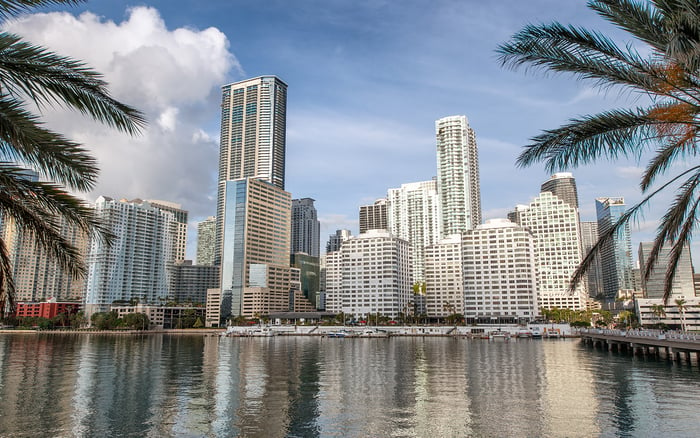
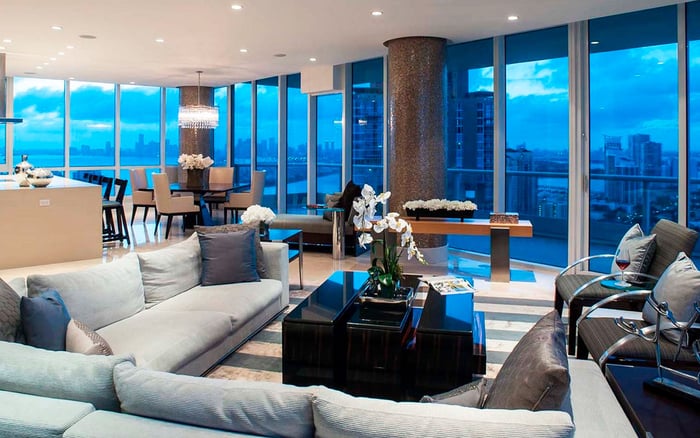
South Florida's pre-construction market rewards buyers who value first choice, customization, and five-star services. This guide explains how to select the right development and advisory team, what to expect from reservation through closing, and which legal and financial safeguards matter most. We also spotlight branded towers and boutique addresses that illustrate best-in-class architecture, privacy, and lifestyle amenities, so you can align an early-stage purchase with the way you truly want to live in Miami and beyond.
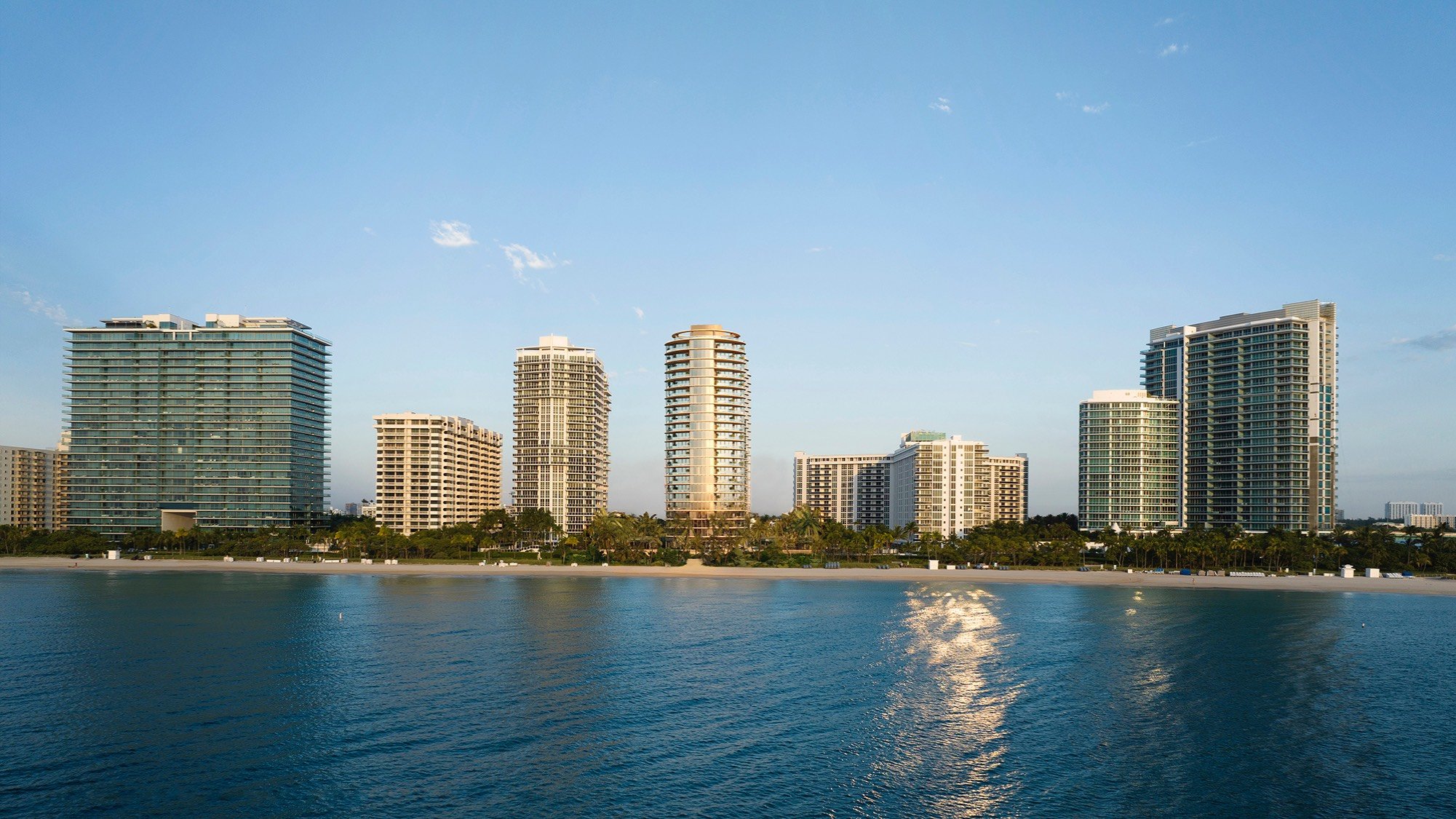
Buying pre-construction in South Florida is essentially commissioning a future home tailored to your life. You secure preferred lines and exposures early, customize finishes while it still matters, and step into a never-lived-in residence that reflects current technology, wellness, and sustainability standards. For many, the appeal starts with first choice: a sunrise corner over the Atlantic, a flow-through plan with both ocean and bay, or a penthouse with a private roof terrace. Early phases often carry favorable pricing, locking today’s number while the building rises, and deferring maintenance fees and property taxes until closing. The trade-off is time. You are buying drawings, models, and a developer’s promise, then waiting through permitting and construction. That is why the most successful pre-construction purchases begin with disciplined due diligence and a clear, written understanding of deposits, timelines, and remedies.
South Florida’s luxury universe now spans branded residences and design-led boutique properties, each promising a distinct lifestyle. If you gravitate to automotive design and privacy, the Bentley Residences Sunny Isles concept pairs a sculptural tower with a patented car elevator that delivers you directly to a sky garage beside your salon. If your compass points to hotel-level service, The Residences at Mandarin Oriental, Miami extends a five-star culture to a private island neighborhood, steps from Brickell yet buffered by water. Architecture-first buyers may prefer The Perigon Miami Beach, a study in refined coastal modernism, or the island serenity of Vita at Grove Isle, a low-density setting accessed by bridge. For resort-scale wellness and a serviced beach experience, Rivage Bal Harbour illustrates what a meticulously curated amenity program can look like. And for a skyline icon with hospitality pedigree, Waldorf Astoria Residences Downtown Miami delivers soaring presence in the urban core.
The bottom line: buyers who align brand, architecture, and location with their priorities tend to be happiest on delivery. Treat the process like commissioning a yacht or a major work of architecture. Document choices. Keep communication tight. Expect excellence and verify it.
Start with the sponsor’s record. In this market, a financially strong developer with a history of delivering high-end buildings on time and to specification materially reduces risk. Ask to see completed projects, talk to existing owners where possible, and review how those buildings are faring years later. Next, interrogate the design pedigree. Who is the architect of record and the interior designer, and how do their choices shape day-to-day living? Do plans optimize natural light, privacy between bedrooms, and service circulation for staff and deliveries? Are terraces deep enough to dine comfortably, and are railings designed to preserve views while mitigating wind?
Branded residences can be a decisive differentiator. Automotive, fashion, and hospitality partnerships may extend to furniture packages, club privileges, and a resident-first service culture. If that resonates, shortlist towers with demonstrable brand standards and trained on-site teams. If you prefer a quieter profile, a boutique or island address may be the better fit. Scale is not a moral choice; it is about how you live. Lower-density properties usually mean more privacy and a calmer amenity experience, while larger towers can deliver grand lobbies, multiple pools, and destination dining.
Location is multi-dimensional. Proximity to the beach or bay is obvious, but access patterns matter just as much. Consider commute times to airports, schools, and marinas, and how traffic ebbs during season. Neighborhood character varies widely: Brickell and Brickell Key offer global finance energy and city conveniences; Miami Beach prioritizes oceanfront culture and walkability; Aventura blends golf, marinas, and shopping; Edgewater offers a fast-improving bayfront lifestyle; Surfside and Bal Harbour are known for exquisite beaches and luxury retail. Visit at different times of day and, if possible, walk the block. Small cues reveal long-term comfort.
Assemble a seasoned advisory bench. A luxury agent immersed in pre-construction will know line-by-line pricing, where the quiet value lives in a stack, and which clauses are negotiable. A Florida real estate attorney should review every document and timeline. Add a designer early if you anticipate customization, and define who will manage punch list and move-in. The right team transforms a complex process into a pleasant, well-managed sequence.
Every project follows its own cadence, yet the buyer journey typically unfolds in four steps.
Reservation. Before formal condo documents are issued, developers may accept a reservation to hold a specific unit at an agreed price in exchange for a refundable deposit, often around ten percent. Funds are placed with an escrow agent. You receive preliminary plans and finishes, and you secure first-tier pricing and selection. Because this stage is non-binding, it is an elegant way to claim position while final documents are prepared.
Contract. Once the offering is officially registered, you will execute a Purchase and Sale Agreement and receive the full condominium document set. Florida law provides a 15-day rescission period after execution and receipt of the documents. Use it. Have your attorney confirm budgets, restrictions, completion timing, and any language that allows substitutions. Expect to increase deposits at this stage, commonly to a total of roughly twenty to thirty percent of the purchase price, payable on a schedule defined in the agreement.
Construction milestones. As the tower rises, additional deposits are typically due at events such as groundbreaking and top-off. By late-stage construction, many buyers will have funded approximately fifty percent in aggregate deposits. Reputable sponsors provide progress updates and host milestone events. Your job is to stay calendar-accurate on payments and to keep personal financing plans in sync with the projected closing window.
Completion and closing. The developer will advise when a Certificate of Occupancy is issued and schedule your walkthrough. Treat that inspection like a performance. Verify appliances, stonework, glass, millwork, lighting, and smart-home systems. Document issues on a punch list, then close as scheduled. After funds are disbursed and title transfers, the residence is yours to finish, furnish, and enjoy. For many towers, the span from contract to keys is roughly 18 to 24 months, though signature icons can take longer. Patience is rewarded when you step onto a pristine floor and see the view you chose two years earlier.
Pre-construction contracts are drafted to protect the developer’s ability to build, so you safeguard yourself by mastering three domains: consumer rights, money flow, and change management.
Consumer rights. Florida’s 15-day right of rescission allows you to cancel for any reason within the window after receiving the full condo package. Use that time to read and to ask hard questions. Note any limits on pets, leasing, or transfers. Confirm estimated budgets and how assessments are handled. Understand the outside date for substantial completion and what happens if the schedule slips beyond that horizon.
Money flow. Deposits should be held by a third-party escrow agent, with statutory protections for at least the first ten percent and clear conditions under which additional sums may be applied to construction. Your goal is simple: know exactly when each deposit is due, where funds sit, when and how they can be used, and what remedies exist if construction pauses. Missing a payment can put you in default, so integrate reminders into your banking routines and designate a back-up signer if you travel frequently.
Change management. Most documents permit substitutions of equal or better quality and minor dimensional adjustments. That flexibility is practical during a multi-year build and supply cycles. Material adverse changes, however, must be disclosed and can trigger an additional rescission right. Your attorney should evaluate every amendment. Keep a contemporaneous file of selections and correspondence so your finish expectations are unambiguous at delivery.
Financing. Luxury pre-construction contracts in South Florida are often written without a conventional financing contingency. Banks generally do not fund progress payments on an unbuilt condo, so you provide deposits from liquidity and then arrange a mortgage to fund the balance at closing if desired. Pre-approve early, particularly if you are self-employed or hold assets in complex structures. International buyers should plan for currency and capital transfer timelines well ahead of closing. If you intend to purchase in an entity for privacy or estate planning, form it before contract so names align cleanly.
Costs and warranties. Budget for closing costs such as title, recording, association working capital contributions, and select developer fees. Review the duration and scope of developer warranties, and keep appliance and system warranties organized from day one. A well-run building will also have clear service protocols for initial punch list corrections.
Amenities define how you live between your front door and the horizon. South Florida’s new towers compete at a very high level, so anchor your selection to spaces you will use weekly rather than features you admire once. Fitness, spa, and aquatics are the universal core. Beyond that, consider whether you will host in a private dining room with a catering kitchen, frequent a wine lounge or cigar salon, or need children’s playrooms and teen zones. If you are a boat owner, proximity to a marina can be decisive. Pet owners may prioritize grooming stations and on-site parks. Privacy-forward buyers should look for private elevator foyers, discreet service corridors, and 24-hour security with controlled access. The experience at Vita at Grove Isle illustrates how a guarded, bridge-accessed island can feel like a horizontal private club, while Rivage Bal Harbour shows how a resort-scale coastal program can weave wellness, dining, and beach service together.
Inside the residence, think holistically about light, proportion, and flow. Are ceiling heights generous and consistent? Do kitchens support both a chef and casual breakfasts? Are primary suites buffered from living areas for quiet nights? On deep terraces, can you comfortably dine for six and still move around furniture? Beachfront buyers often seek expansive glass and east-facing living rooms; bayfront buyers value sunset terraces and boat-watching. If an address like The Perigon Miami Beach speaks to your sensibility, you are likely responding to its dialogue between architecture and the ocean. If an icon such as Waldorf Astoria Residences Downtown Miami resonates, you may be drawn to skyline drama, brand ritual, and a concierge network that travels with you globally.
Finally, weigh the social fabric. Some towers skew toward primary residents and year-round programming; others hum in season and quiet in summer. Smaller buildings can feel like a private club of familiar faces, while larger ones offer anonymity and variety. There is no single correct answer, only the best fit. Visit the sales gallery, ask about staffing ratios, and, when possible, see a finished model to translate plans into physical experience.
When you coordinate developer strength, design quality, and a location that fits your rhythms, pre-construction becomes one of the most rewarding ways to own in the region. For curated guidance from advisors who live this market daily, explore MILLION Luxury and begin a private conversation about timing, inventory, and negotiation strategy.
What is the typical deposit schedule for a pre-construction condo in South Florida? Most buyers pay roughly 10 percent to reserve, increase to approximately 20 to 30 percent at contract, and then fund additional milestones such as groundbreaking and top-off. By late-stage construction, many have deposited about 50 percent in total, with the balance due at closing.
Can I cancel after signing a new-construction contract? Florida provides a 15-day rescission period after execution and receipt of the full condominium documents. Within that window, you may cancel for any reason and receive your deposits back. Afterward, the agreement is binding subject to its specific terms.
Do banks fund deposit installments during construction? Typically no. Conventional lenders fund at closing once the residence can serve as collateral. Plan to fund deposits from liquidity and to finalize mortgage underwriting as the project nears completion.
Which neighborhoods should I consider for privacy versus energy? For maximum discretion, island or boutique addresses such as Grove Isle feel serene. For city energy with five-star services, look to Brickell and Downtown. Beach-first buyers often gravitate to Miami Beach, Surfside, and Bal Harbour; boaters frequently consider Aventura and Edgewater for marina access.
If I mention a branded residence, should I work only with that brand’s sales team? Work with an independent luxury agent who represents you, not the developer. Your agent can benchmark pricing across multiple comparable buildings and negotiate terms, while the on-site team represents the seller.
If branded residences are on your mind — as a home or as an allocation — we would be glad to share what we are seeing, privately.
Begin a quiet conversation