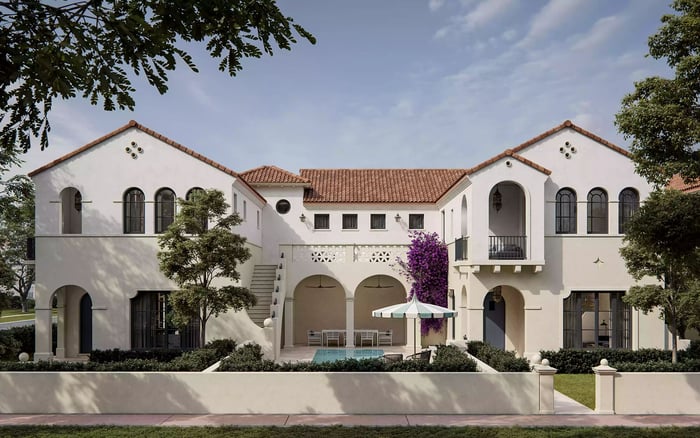
A buyer-focused guide to evaluating Ponce Park Coral Gables through daily walkability, privacy, sightlines, seasonal comfort, and block-by-block due diligence.
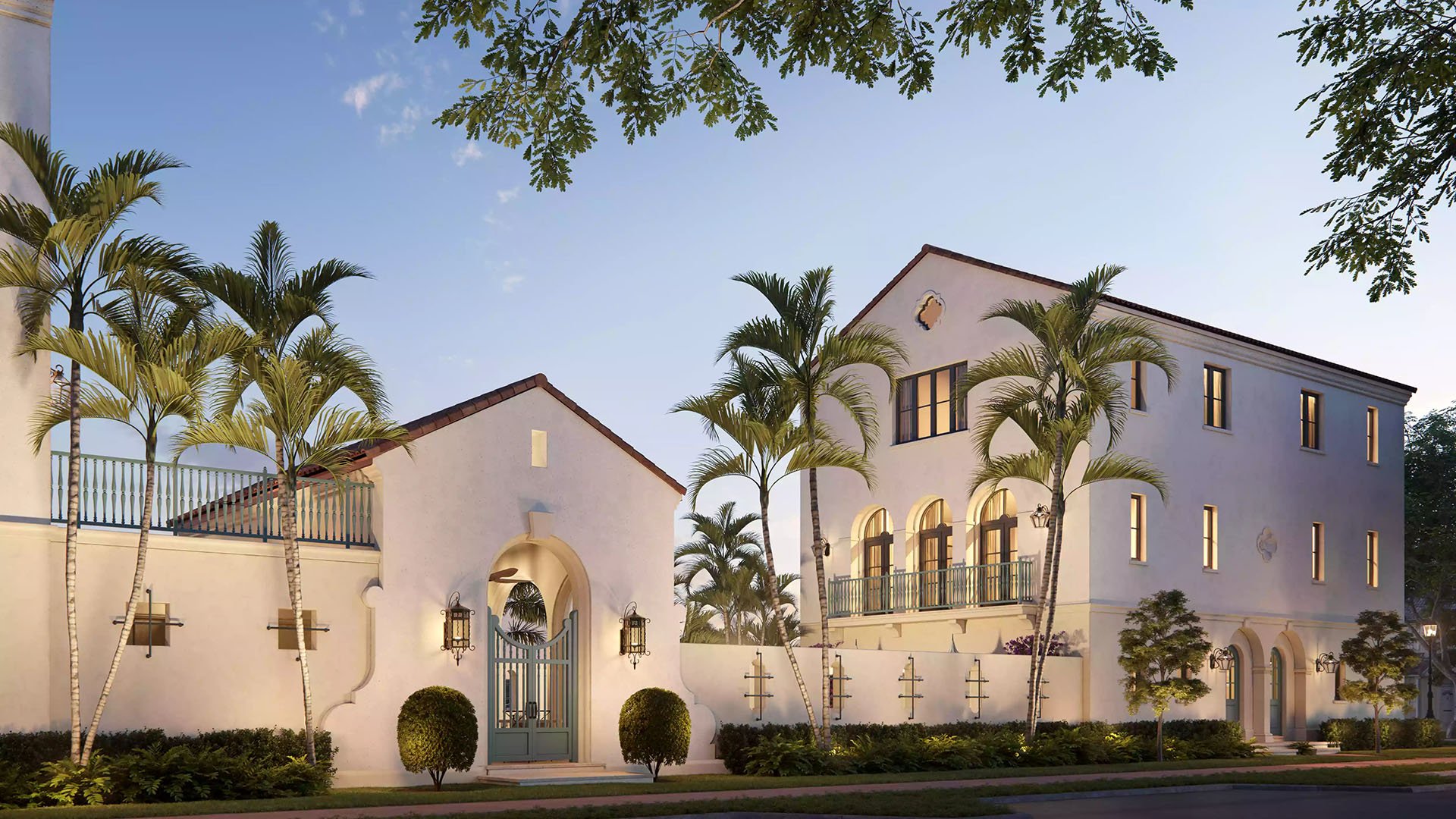
For buyers studying Ponce Park Coral Gables, the central question is not simply whether a home sits near green space. The more valuable question is how that proximity performs every day, from the first coffee run to the last evening walk. In a mature Coral Gables setting, a park can be an elegant lifestyle anchor, but its influence is specific to the property, the street, the lot orientation, and the way public activity meets private life.
This is why Ponce Park Coral Gables should be treated as a micro-location, not a broad neighborhood label. Two homes can sit near the same green space and feel entirely different. One may offer quiet frontage, filtered views, and comfortable daily walks. Another may face heavier pedestrian patterns, exposed windows, or routes that look short on a map but feel less gracious in practice.
Search terms such as Coral Gables or single-family homes can be useful starting points, but they should never replace a block-level reading of the address. The best purchase decisions in this pocket are made slowly, on foot, and at more than one hour of the day.
Parkside buyers often hear “walkable” and assume it means distance. In practice, useful walkability is more nuanced. A home may be near a park, but the buyer still needs to ask whether the property supports comfortable walks to coffee, dining, errands, schools, services, and routine neighborhood destinations.
The simplest test is also the most revealing: walk the routes. Do it in the morning, after school or work hours, in the evening, and on a weekend. A route that feels serene during a weekday showing may feel more active at peak park-use times. A shaded sidewalk may feel effortless in winter and far less appealing during South Florida heat, humidity, or the pre-storm heaviness of a summer afternoon.
Sidewalk condition, shade, crossings, lighting, and traffic speed can matter as much as distance. Buyers should notice whether the easiest route requires crossing a higher-traffic street, navigating a less comfortable intersection, or walking along frontage that lacks the sense of protection expected at this tier of the market. The map may say five minutes. The body may disagree.
This framework also applies when comparing other Coral Gables residential choices, including Cora Merrick Park and The Village at Coral Gables. The name of an established area is only the beginning. The quality of the walk determines whether the address will feel elegant on a Tuesday morning.
Privacy beside a park is not binary. It is not simply private or exposed. It is layered through setback, fencing, hedges, window placement, balcony exposure, outdoor room positioning, and the sightlines created by public space. In a parkside setting, even beautiful frontage deserves scrutiny.
Begin at the curb and look back at the home as a passerby would. Can someone see into the primary living areas? Is the pool visible from a public path or street edge? Are bedrooms, terraces, or outdoor dining spaces shielded, or do they sit in the natural line of sight of walkers, dog owners, maintenance activity, or weekend visitors?
Pool privacy deserves its own walk-through because outdoor living is central to the South Florida luxury home. A pool area may photograph beautifully, but the buyer should stand at multiple points around the property and consider whether the space feels protected during real-life park activity. Balcony exposure requires the same discipline. Second-floor balconies may feel romantic during a private showing, yet they can become observation platforms in both directions if they face active pedestrian patterns.
A park-adjacent home can offer a graceful sense of openness, greenery, and neighborhood continuity. It can also carry rhythms that differ from a quieter interior street. The buyer’s task is not to judge the park in the abstract, but to understand how its use pattern aligns with the household’s desire for privacy, calm, and convenience.
Weekend use, dog walking, informal gatherings, sports activity, programming, and maintenance can all shift the sound and visual profile of a parkside property. None of these factors automatically undermines value. For some buyers, they are part of the appeal, creating a lived-in, walkable, community-oriented atmosphere. For others, especially those seeking maximum seclusion, the same patterns may feel too public.
This is why showings should not be limited to the most flattering hour. Visit during peak park-use periods. Listen from the front rooms, side yards, bedrooms, and outdoor dining areas. Stand on the terrace if one exists and ask what the home reveals to the street, the park, and neighboring lots. A home facing or backing onto public green space should be evaluated with more care than a home buffered inside a quieter residential block.
Many buyers assume privacy can be solved after closing with mature landscaping, walls, gates, window treatments, or changes to outdoor areas. Those improvements may be important, but they should not be assumed. Local rules, architectural controls, permitting requirements, and property-specific constraints can shape what is possible.
Before relying on a hedge, wall, or gate as part of the value equation, buyers should verify what can be installed, how high it can be, where it may sit, and whether it would preserve the character that made the property appealing in the first place. The most successful privacy solutions in Coral Gables tend to feel quiet, architectural, and integrated rather than defensive.
Buyers comparing the broader South Florida landscape may find similar questions in other established or design-forward enclaves. A residence such as The Lincoln Coconut Grove may invite a different lifestyle comparison, but the essential discipline remains the same: walk the routes, study the edges, and test whether public convenience and private retreat are truly in balance.
A refined parkside purchase should include a practical, almost cinematic walk-through. Arrive once by car and once on foot. Approach from the destinations you expect to use most. Notice whether shade is consistent or intermittent. Study crossings and traffic pace. Ask whether the route feels pleasant with groceries, a child, a dog, or guests who may not know the neighborhood.
Inside the home, evaluate street-facing rooms at different times of day. Open the window treatments and stand where daily life actually happens. Sit in the living room, not just the formal entry. Walk the side yard. Pause at the outdoor dining area. If the home has a second level, look out from the balcony and then go outside to see what can be seen looking back in.
The goal is not to create anxiety. It is to protect the premium. Park adjacency can be a meaningful lifestyle advantage for buyers who value green space, routine walks, and a neighborhood with established character. It is simply less ideal for those who define luxury primarily as deep seclusion. Ponce Park rewards buyers who know which version of luxury they are truly pursuing.
Is Ponce Park Coral Gables automatically more walkable because it is near green space? No. Buyers should distinguish park proximity from useful daily walkability to coffee, dining, errands, schools, and services.
When should I walk the routes around a parkside home? Walk them in the morning, afternoon, evening, and on weekends to understand how comfort and activity levels change.
What details matter besides distance on a map? Sidewalk condition, shade, crossings, lighting, traffic speed, and intersection comfort can matter as much as distance.
How does South Florida weather affect walkability? Heat, humidity, and afternoon storms can make a route feel very different from the impression created during a winter showing.
What should I ask about privacy near the park? Ask whether park users can see into living rooms, bedrooms, pool areas, terraces, outdoor dining spaces, or balconies.
Is a home facing the park different from one on an interior street? Yes. Park-facing or park-backing homes may experience different pedestrian, noise, and visibility patterns than quieter interior locations.
Should I visit during busy park hours? Yes. Peak-use periods are essential for understanding weekend activity, dog walking, gatherings, maintenance, and sound levels.
Can landscaping solve most privacy concerns? Sometimes, but buyers should verify local rules before assuming hedges, walls, gates, or other screening upgrades are allowed.
Is park adjacency better for lifestyle or seclusion? It can be excellent for green space and routine walks, but buyers seeking maximum seclusion should study exposure carefully.
What is the most important due-diligence principle? Evaluate the specific block, frontage, and lot orientation rather than relying only on the broader Coral Gables reputation.
For a discreet conversation and a curated building-by-building shortlist, connect with MILLION.
If branded residences are on your mind — as a home or as an allocation — we would be glad to share what we are seeing, privately.
Begin a quiet conversation