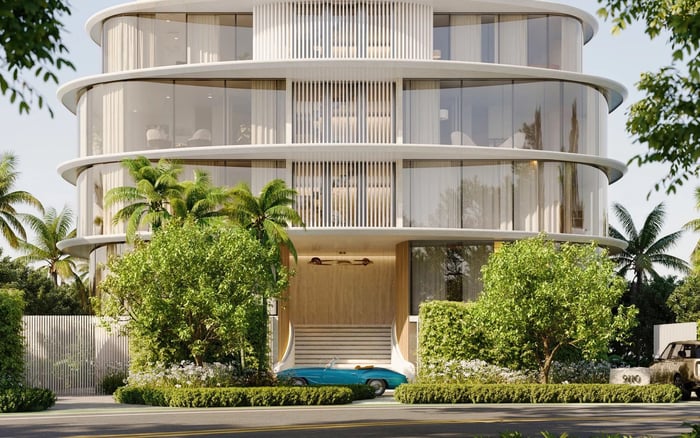
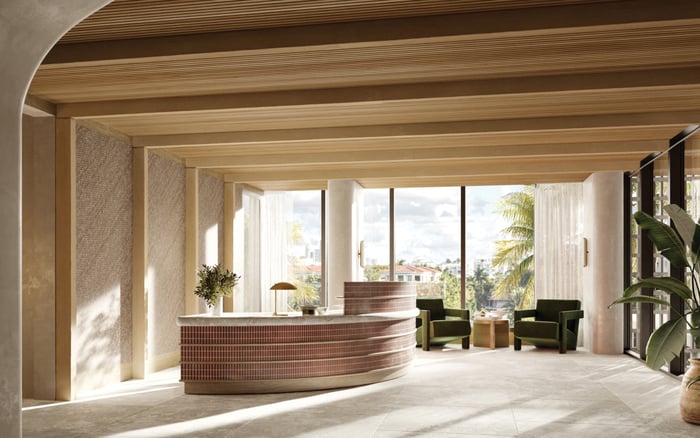
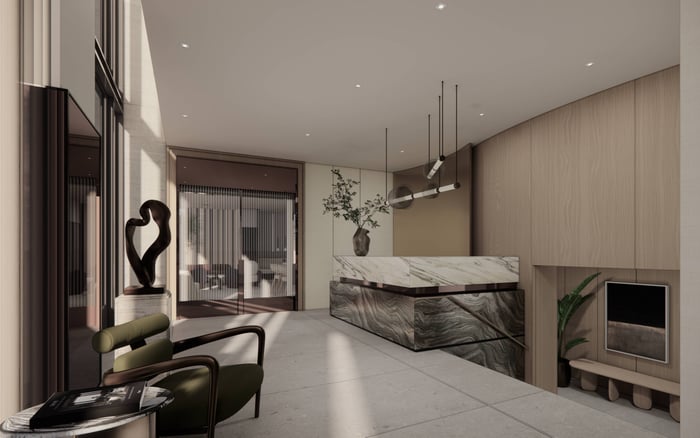
For a purchase at The Well Bay Harbor Islands, wellness appeal and operational resilience deserve separate consideration. Buyers should establish how residential elevators, emergency power, essential services, and post-storm procedures would support everyday continuity.
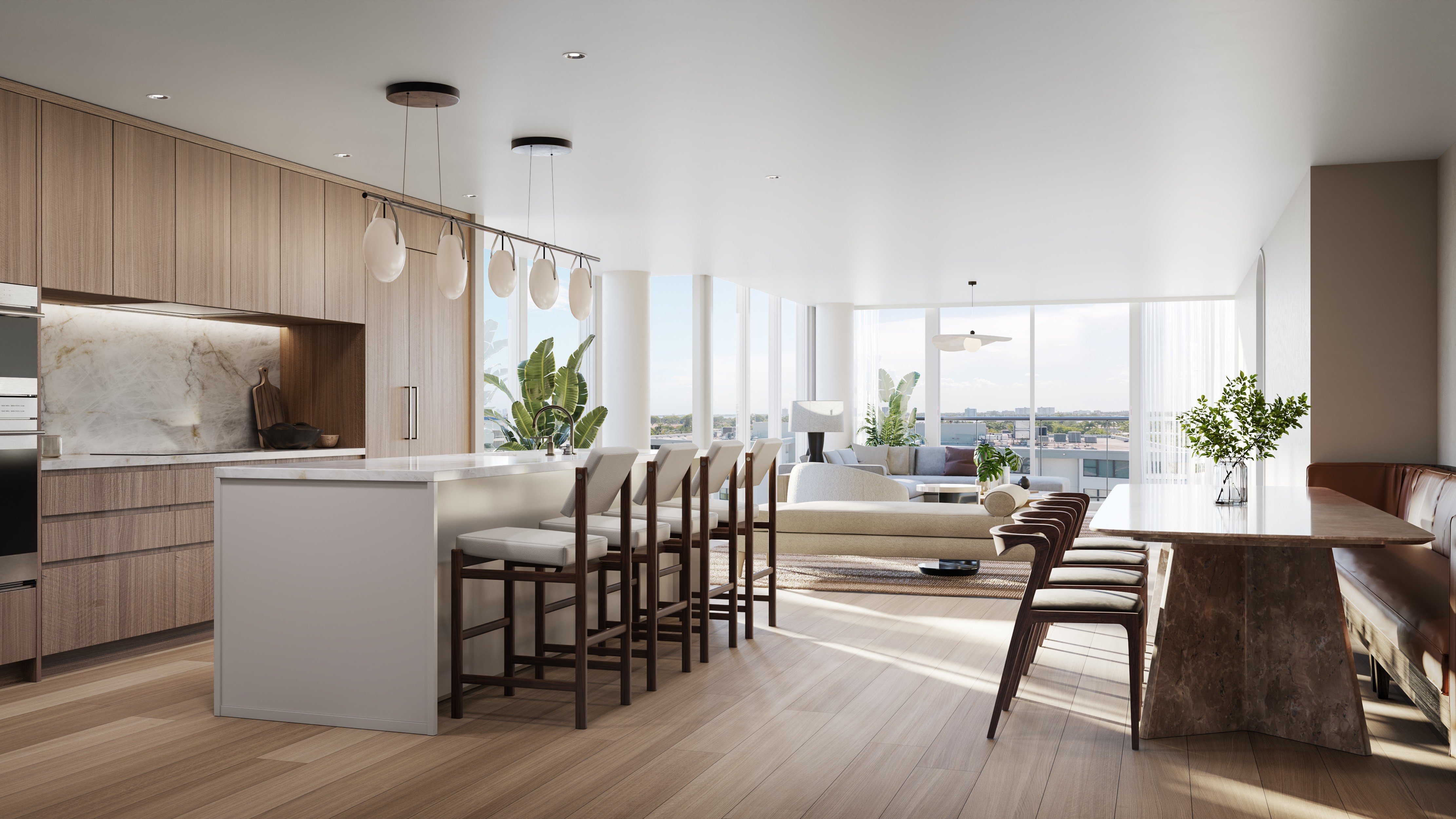
At The Well Bay Harbor Islands, the purchase conversation can begin with wellness. For buyers, however, comfort also has an operational dimension: reaching the residence when an elevator is unavailable, maintaining water pressure during an outage, and knowing which household functions remain supported. These questions deserve the same attention as a floor plan or finish selection.
This review does not verify the residential elevator count, redundancy, generator capacity, or exact emergency-power coverage. That limitation is not evidence that backup systems are absent. It is a reason to make documented performance part of the purchase decision.
Begin with the final residential configuration. Confirm the applicable residence count and floors in the condominium documents rather than using preliminary figures to estimate elevator demand.
Then request the number of residential passenger and service elevators, the floors each serves, and the access arrangements when one is unavailable. An elevator count alone does not establish whether residents retain a practical route between parking, the lobby, and their homes.
Ask whether residential and office circulation are separate. If an office elevator system is available, do not assume it provides backup access to residential floors. Confirm whether any cross-access arrangement exists, which floors it reaches, and who can authorize its use.
For buyers with limited mobility, visiting family, or frequent service appointments, ask the team to walk through a routine maintenance day. Which elevator remains available, how is access managed, and what happens if the remaining route is interrupted? Treat access as a household requirement, not a technical footnote.
Elevator redundancy and emergency-powered operation require separate confirmation. Establish both what happens when one elevator is out of service and what happens when utility power is lost.
Request a written explanation of which residential elevators receive emergency power, how many can operate simultaneously, and whether staff intervention is required. Ask an engineer to identify shared components that could affect more than one elevator. Separate cars do not necessarily mean fully independent operation.
Apply the same diligence in a comparison with Alana Bay Harbor Islands. Use an identical access questionnaire for each property under consideration; do not infer relative reliability from branding or design alone.
Keep ordinary outage access separate from fire and storm procedures. Emergency power should never be treated as permission to use an elevator for evacuation. Obtain the building's written instructions and clarify how residents receive updates when normal circulation is restricted.
The useful purchase question is not simply whether a generator exists. It is which functions receive power, under what operating conditions, and for how long at the stated load.
Request generator capacity, fuel type, operating duration, refueling arrangements, and the emergency-load schedule. Have a qualified engineer explain what those specifications mean for the particular residence. A capacity figure without a clear list of supported equipment does not establish whether a household can remain comfortable.
Organize the inquiry around daily essentials:
Access: Residential elevators, entry controls, gates, cameras, and any parking equipment.
Water: Domestic water pumps and the systems needed to maintain pressure.
Inside the residence: Refrigerators, selected outlets, medical-device circuits, and cooling.
Communication: Building communications and any household connectivity equipment included in coverage.
Ask for each item to be marked as supported, unsupported, not applicable, or awaiting confirmation, with operating limits explained. For medical equipment, obtain circuit-specific confirmation rather than relying on a general assurance about unit power. Plan for any interruption with the equipment provider and care team.
Confirm valet and security arrangements separately from electrical coverage. A staffing commitment does not establish backup power for the equipment on which access and monitoring may depend. Ask how personnel and electrical systems would work together during an interruption.
Request a residence-specific inventory of wellness equipment and its supporting systems. If air purification, aromatherapy diffusers, or red-light therapy are included in the purchase documents, ask whether each receives emergency power. Inclusion in the everyday offering does not establish outage operation.
Likewise, do not use a sustainability designation or the presence of filtration equipment as a substitute for an emergency-load schedule. Confirm the scope of any designation separately from the electrical systems serving the residence.
Extend the discussion to shared amenities. Ask whether any water filtration, wellness equipment, and amenity cooling remain operational, and whether residents retain access to those spaces. The point is not to expect every lifestyle feature to remain available. It is to distinguish the everyday offering from the outage operating plan before purchase.
Power coverage is only one part of the inquiry. Request equipment elevations and protection details for electrical and elevator systems, along with written post-storm inspection and restart procedures. Ask who determines when equipment may return to service and how that decision is communicated.
Do not treat a unit-level reference to high-impact doors or impact-glass windows as proof of building-wide flood protection or power continuity. Review envelope features, equipment protection, and emergency operations separately.
Long-term reliability also belongs in the document review. With an attorney or engineer, examine elevator and generator service contracts, testing records where available, response commitments, and reserve funding. Where records or contracts are prospective, clarify what will be delivered and when. A future commitment is not an established operating history.
Before committing, ask the sales team to describe two planning scenarios in writing: a four-hour outage and a 24-hour outage. These are proposed diligence exercises, not claims about the building's backup duration. Each explanation should follow a resident from arrival through an ordinary day at home.
Can the resident enter, reach the unit, maintain water pressure, refrigerate food, stay cool, and communicate? Which functions require staff assistance, and which are unavailable? Have the answers checked against the emergency-load schedule and elevator operating plan.
If Bay Harbor Towers is also on the shortlist, use the same scenario exercise rather than assuming comparable coverage. The objective is a consistent standard of evidence, not an unsupported ranking of buildings.
At THE WELL, a considered purchase decision should pair lifestyle priorities with a clear understanding of operational limits. Resilience need not mean uninterrupted access to every amenity. It should mean knowing what remains available, what changes, and how the household will respond.
For a discreet conversation about your South Florida purchase priorities, connect with MILLION.
If branded residences are on your mind — as a home or as an allocation — we would be glad to share what we are seeing, privately.
Begin a quiet conversationThis review does not verify whole-building backup power or exact emergency-power coverage. Buyers should request written specifications rather than interpret that limitation as evidence that generators are absent.
This review does not verify the residential elevator count. Request passenger and service-elevator counts, floors served, and outage operating arrangements.
Do not assume office elevators provide residential backup access. Confirm whether cross-access exists, which floors it serves, and who can authorize its use.
Redundancy and emergency-powered operation require separate confirmation. Ask which elevators receive emergency power, how many can run simultaneously, and whether staff intervention is necessary.
Request capacity, fuel type, operating duration at the stated load, refueling arrangements, and the emergency-load schedule. Have an engineer translate those specifications into household-level coverage.
This review does not verify coverage for refrigeration or cooling. Request equipment-specific confirmation alongside coverage for water pumps, selected outlets, and medical-device circuits.
Inclusion in a residence or amenity offering does not establish emergency-power coverage. Request an equipment inventory and confirm outage operation for each relevant system.
Staffing commitments do not establish electrical coverage for gates, access controls, cameras, or parking equipment. Request a written explanation of both staffing and equipment operation during outages.
Request equipment elevations, protection details, and written inspection and restart procedures. Review maintenance contracts, testing records where available, and reserve funding with an attorney or engineer.
Ask for written scenarios explaining how residents enter, reach their units, maintain water pressure, refrigerate food, stay cool, and communicate. These are planning exercises, not verified backup durations.