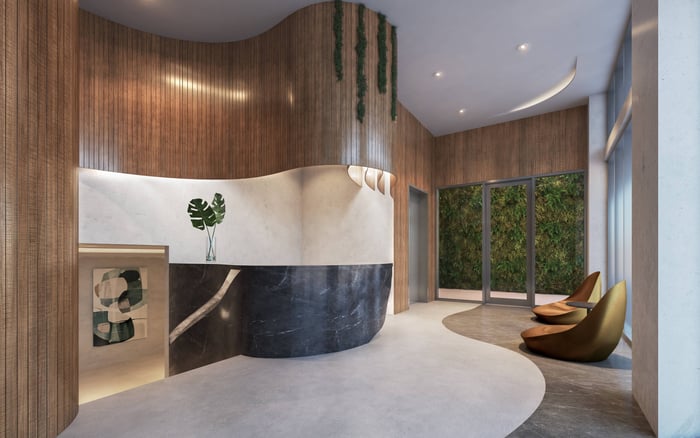
A buyer-focused review of pet access, elevator continuity, and emergency planning at THE WELL Bay Harbor Islands, separating advertised amenities from the operating policies that deserve written confirmation before purchase.
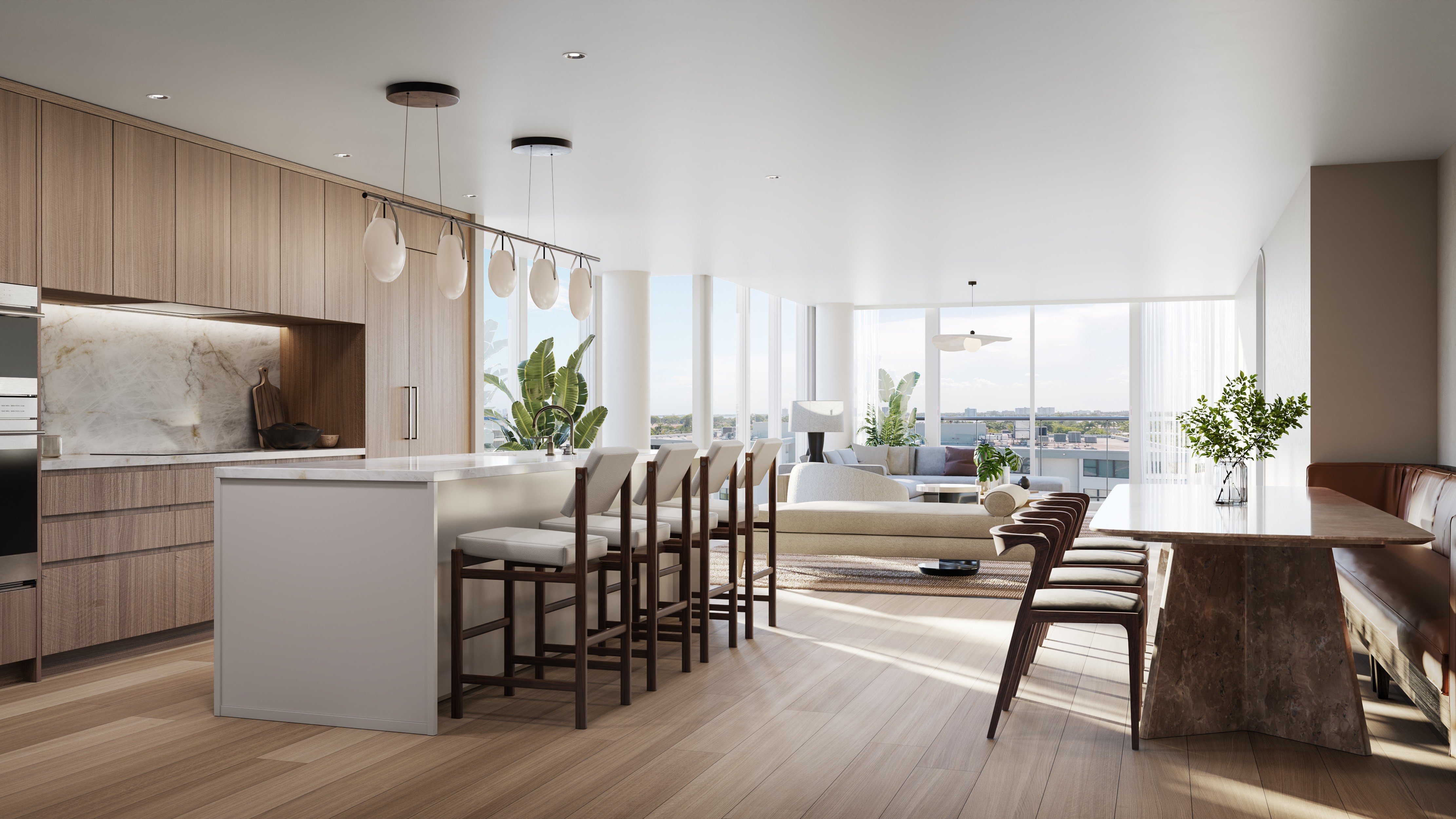
At The Well Bay Harbor Islands, the proposition begins with 66 residences and more than 22,000 square feet of advertised amenities, including a fitness and wellness center. For a discerning buyer, however, residential wellbeing also depends on less visible details: taking a dog outside, reaching the apartment during an elevator outage, and knowing what happens when evacuation becomes necessary.
Those questions deserve the same attention as finishes and floor plans. Elevators, pet permission for owners, and advertised 24-hour valet parking and security are part of the offering. The complete operating rules behind those features deserve written confirmation. A service description is not an emergency commitment, and an amenity designation is not a continuity plan.
An unanswered question does not establish that a policy or safety system is absent. It identifies a matter to resolve with the association or authorized management before committing to a purchase.
Start with the address. Reconcile the property's address and any unit-specific address descriptions with the condominium and title documents before requesting inspections, violations, maintenance files, or association records.
The purpose is precision, not suspicion. Ask counsel or the appropriate transaction professional to confirm the legal property description and unit identification. Then ensure that every operational record supplied concerns the condominium and residence under consideration.
An address discrepancy is not, by itself, evidence of a building problem. It is a reason to establish a consistent documentary reference so the review addresses the correct property.
Pet permission for owners does not establish the full animal policy. Pet-number limits, breed restrictions, registration requirements, and access to service elevators require written confirmation.
Request the current animal rules rather than relying on a general assurance that the building is pet-friendly. Ask which entrances and elevators pets may use, whether particular common areas are restricted, and how visiting animals or pet-care providers are handled. These are questions to resolve, not assumptions about existing restrictions.
Ask management whether there is a designated pet-relief area and where waste stations are located. Have management identify the permitted destination and route, then walk it from the actual residence. Check doors, access controls, stairs, exit availability, and waste disposal. Establish whether the route remains usable when an elevator is unavailable.
For buyers also considering Alana Bay Harbor Islands, use the same unit-to-relief walkthrough rather than assuming nearby residences share animal rules. The meaningful comparison is the complete daily journey, not a pet-friendly label.
Elevators are among the condominium's shared amenities. Their inclusion does not establish their number, redundancy, backup-power coverage, maintenance response times, or emergency operating procedures.
Request current inspection certificates, relevant maintenance records, and any open violations. Ask management how a service interruption is communicated, who responds, and what arrangements apply while equipment is unavailable. Written answers should distinguish an ordinary outage from emergency operation.
Generator coverage warrants a separate answer. Ask which elevator functions, if any, receive backup power and what limitations apply. Do not interpret the presence of backup equipment, if confirmed, as a promise of unrestricted elevator service.
Apply the same discipline when comparing Bay Harbor Towers: obtain each property's own records and procedures without transferring assumptions between buildings. For a household that depends on elevator access, clarity about interruption procedures may matter more than the amenity itself.
Request a building-specific evacuation plan and a written explanation of assistance for residents unable to use stairs. Whether these arrangements meet a household's needs is a documentary question to resolve, not a conclusion about the building's safety.
Obtain fire and storm procedures separately. Ask for stairwell locations, resident notification arrangements, evacuation instructions, pet arrangements, and re-entry guidance. Confirm how elevator use is addressed in each scenario, and follow the applicable emergency instructions rather than assuming ordinary access continues.
If a resident cannot use stairs, request a specific written explanation of available assistance, any registration process, and the limits of that assistance. Discuss household needs before purchase, including temporary mobility limitations or visiting family members who may require help.
Advertised 24-hour valet parking and security do not establish that staff will transport residents or pets during an emergency. Ask what staff are assigned to do, what falls outside their responsibilities, and how residents should prepare independently. This distinction guards against reliance on an informal promise that is not part of the operating plan.
Request the records and instructions applicable to this condominium, then have appropriate professionals evaluate any material findings. Neither conditions at another building nor a wellness identity answers a building-specific operating question.
If the search extends to Bal Harbour and Rivage Bal Harbour, retain the same standard: compare documented procedures, not inferred assurances. No conclusion about another project's pet access, elevator resilience, or evacuation assistance follows from this review.
Organize the outstanding questions into three practical categories: pet access, elevator continuity, and emergency planning. For each, record the requested document, the written response, and any unresolved issue. Distinguish confirmed operating commitments from matters awaiting clarification.
Seek association responses before applicable document-review or cancellation deadlines. Discuss material contractual protections with counsel, particularly when a household's ability to occupy the residence comfortably depends on a specific route, access arrangement, or assistance policy. Do not assume a verbal assurance resolves a material requirement.
The purchase decision is not whether every interruption can be eliminated. It is whether the documented procedures fit the household, their limits are understood, and outstanding questions have been addressed in time. At this level of ownership, operational clarity is part of comfort.
For a discreet, buyer-focused perspective on South Florida residences, explore MILLION.
If branded residences are on your mind — as a home or as an allocation — we would be glad to share what we are seeing, privately.
Begin a quiet conversationThe development is described as having 66 residences, with more than 22,000 square feet of advertised amenities.
Pet permission for owners is part of the offering. Obtain the current animal rules to confirm the conditions that apply.
Ask management to identify the permitted destination, route, and waste-disposal locations. Walk the route from the residence and confirm arrangements during an elevator outage.
Yes; general pet permission does not establish those conditions or registration requirements. Request the complete written animal policy.
Do not assume service-elevator access follows from pet permission. Confirm permitted elevators and entrances with management.
No; an elevator amenity does not establish backup-power coverage or emergency operation. Request written confirmation of covered functions and limitations.
Request inspection certificates, maintenance records, any open violations, and outage procedures. Also ask for written backup-power details.
Advertised 24-hour valet parking and security do not establish emergency transport commitments. Obtain written clarification of staff responsibilities and assistance limits.
Request a written explanation of evacuation assistance, any registration process, and the limits of that assistance. Discuss household needs with management before purchase.
A consistent legal address and unit identification help ensure records concern the correct property. Confirm them against condominium and title documents before requesting records.