
A considered purchase at The Delmore calls for separate municipal, permit, engineering and condominium financial reviews. Here is how buyers can structure those requests without confusing a construction milestone with closing readiness.

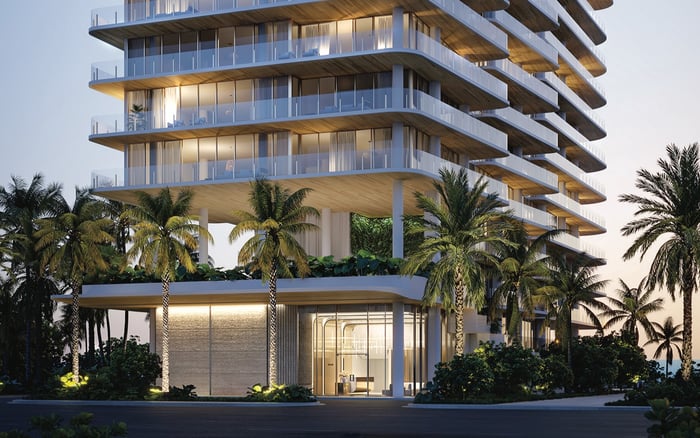
An exceptional residence deserves an equally considered acquisition process. At The Delmore Surfside, the planned 12-story oceanfront condominium at 8777 Collins Avenue, architectural ambition and transaction discipline belong in the same assessment. DAMAC International is the developer, and Zaha Hadid Architects is the architect. Those identities establish the project team; they do not answer a prospective owner’s property-specific due-diligence questions.
The objective is to identify unresolved questions while the buyer can still address them through counsel and the purchase agreement. A municipal lien search and permit review can reduce the risk of post-closing surprises, but neither provides an all-purpose clearance. Municipal charges, construction approvals, engineering matters and condominium finances each warrant separate review.
That distinction is especially important here. The Delmore occupies the former Champlain Towers South site. Its predecessor’s history calls for care and precision-not an assumption that the new development has defects, debts or inherited obligations.
Begin by asking closing counsel to define the proposed municipal lien search’s scope in writing. Which property identifiers will be searched? Which departments will respond? What is the effective date of each response, and which categories fall outside the search?
Confirm whether the work will address recorded municipal liens, unpaid municipal charges and code-enforcement matters, and whether any inquiries require separate requests. A service described simply as a municipal search should not be assumed to cover every department or potential obligation. Ask counsel to coordinate it with the title review; neither exercise substitutes for the other.
Nothing here establishes The Delmore’s current lien status or the existence of unpaid charges or violations. The recommendation is to obtain current, property-specific answers. If an item appears, request the underlying documentation and have counsel determine its applicability, the responsible party and the required resolution before assessing its implications for the purchase.
By August 4, 2025, Surfside had issued The Delmore’s foundation permit, allowing construction of the building’s base to proceed. That is a defined milestone-not evidence of full-building approval, completed final inspections, a certificate of occupancy or the project’s construction status today.
Ask counsel to request the permit file and identify the approvals relevant to the intended closing. The request should include approval conditions, inspection results, correction notices and engineering submissions, where applicable. Have the review team distinguish an application from an issued permit, and an inspection entry from documented completion of the relevant requirement.
For any unresolved entry, request an explanation of its scope, status and expected resolution. An open item calls for interpretation, not an automatic conclusion of wrongdoing. Nor should a broad assurance that construction is permitted replace a review of the specific approvals and conditions involved.
Buyers also considering Ocean House Surfside should apply the same documentary discipline independently. One property’s approvals cannot answer another property’s closing questions.
Champlain Towers South was undergoing its 40-year recertification process when it collapsed in June 2021. Engineering findings from 2018 documented major structural damage, and preliminary restoration plans prepared in spring 2021 recommended significant concrete repairs at the pool area and foundation walls.
These facts concern the predecessor building. They do not establish a defect in The Delmore, a remediation obligation for its buyers or a causal conclusion about the collapse. A responsible purchase review must maintain that distinction throughout.
The historical record also illustrates why buyers should not assume that one agency file contains everything relevant. County master permits concerning fire alarms and sprinklers were identified in June 2021, while other permit and inspection records were held by Surfside. Ask the current review team which authorities hold records relevant to this transaction.
Older recertification thresholds and reform proposals from 2021 should not be applied automatically to this new development. Counsel and the buyer’s technical advisers should confirm the current requirements applicable to the property.
A municipal response cannot substitute for an engineering opinion. Ask an appropriately qualified independent professional to assess the available technical materials, identify unanswered questions and explain the limits of a document-based assessment. The engagement should specify whether it includes site access, observations or only an examination of supplied materials.
Keep the condominium financial review equally distinct. Request the governing documents, proposed or available budgets, reserve information and any disclosed assessment obligations appropriate to the transaction’s stage. Ask counsel and a financial adviser to explain what those materials establish and what remains provisional.
For buyers weighing Arte Surfside alongside The Delmore, the useful comparison is the scope and quality of each property’s evidence-not an assumption that their approval histories or financial obligations are interchangeable.
Neither a favorable records review nor an engineering assessment can guarantee structural safety or eliminate future assessments. Their value lies in informing the decision and identifying matters that warrant further investigation before commitment.
Ask counsel to align document requests with the agreement’s actual deadlines and buyer rights. Do not assume a particular cancellation period, inspection contingency or right to delay closing. Those questions belong in the contract review before the buyer relies on them.
Organize the work in three stages:
Before commitment: Define search coverage, request available files and identify contractual protections to discuss.
During the review period: Reconcile municipal responses, permit entries, technical questions and financial disclosures in a written issues register.
Before closing: Request appropriate updates and confirm the documented treatment of any remaining matters.
Assign each issue a responsible reviewer, a requested document and a target response date. If a material question remains unresolved, ask counsel whether the agreement supports an extension, a closing condition or another negotiated solution. None should be presumed available.
This timetable gives the buyer a clear account of what has been answered, what remains open and who must act next.
The final review should distinguish completed work from promised work, and confirmed obligations from unresolved questions. Ask counsel to summarize material findings, identify any applicable payoff or release documentation and explain whether further permit or occupancy evidence is needed for the contemplated closing.
Keep the supporting responses in the transaction file. A reassuring conversation is useful; a dated record and clearly assigned responsibility provide a stronger basis for a decision.
At this level of the market, diligence is not a distraction from the residence. It is part of purchasing with confidence: understanding the evidence, respecting its limits and resolving material questions before accepting the obligations of ownership.
For a discreet conversation about your Surfside purchase priorities, connect with MILLION.
If branded residences are on your mind — as a home or as an allocation — we would be glad to share what we are seeing, privately.
Begin a quiet conversationThe Delmore is a planned 12-story oceanfront condominium at 8777 Collins Avenue in Surfside, Florida.
DAMAC International is the developer, and Zaha Hadid Architects is the architect.
By August 4, 2025, Surfside had issued a foundation permit allowing construction of the building’s base. That milestone does not establish full-building approval or current closing readiness.
No. Buyers should obtain current, property-specific municipal responses rather than assume either outstanding obligations or a clear status.
Ask counsel to confirm the property identifiers, departments, categories covered and effective dates. Also ask which inquiries require separate requests.
Request the relevant permit file, including approval conditions, inspection results, correction notices and engineering submissions where applicable. Ask the review team to explain unresolved entries.
No. The history of Champlain Towers South does not establish defects, debts or inherited obligations in the new development.
Not automatically. Counsel and technical advisers should confirm the current requirements applicable to this property rather than rely on historical thresholds or reform proposals.
No. Municipal inquiries, permit review, engineering assessment and condominium financial review should remain distinct, coordinated assignments.
No. It can clarify documented conditions and obligations, but it cannot guarantee structural safety or eliminate future assessments.

.jpg&width=700&height=438&fit=cover)