For Coconut Grove buyers, effortless seasonal ownership depends on more than hospitality. Understand how advertised services, private unit management and written hurricane procedures should shape due diligence at Mr. C Tigertail and Park Grove.

The most valuable luxury in a seasonal residence is the freedom to leave without leaving responsibilities unresolved. For buyers considering Mr. C Tigertail Coconut Grove and Park Grove Coconut Grove, lock-and-leave should be evaluated as an operating arrangement, not simply an amenity description.
That distinction matters particularly for hurricane preparation and return access. A staffed entrance, an available housekeeper and a representative authorized to inspect a private residence serve different functions. The buyer’s task is to establish who accepts each responsibility, what activates the service and how completion is documented.
A useful comparison starts with three questions: what does the building provide, what can the owner purchase separately, and what remains the owner’s responsibility? Keep those categories distinct throughout the purchase process. An elegant arrival experience is not a comprehensive absence-management agreement.
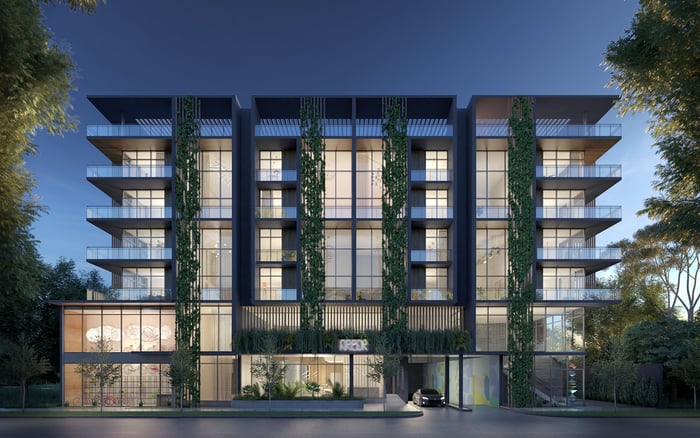
Mr. C Residences comprises two Coconut Grove towers, at 2655 S Bayshore Drive and 2678 Tigertail Avenue. That address distinction matters when evaluating a service description, proposal or contract for a particular residence.
The project-wide advertised offering includes a Mr. C Property Management Team, 24-hour valet, and 24-hour doorman and security. Butler service, lifestyle and nautical concierge, and available housekeeping also appear among the advertised services.
These offerings matter to a buyer seeking convenience, but they do not establish unconfirmed interior-care obligations. A reference to property management does not, by itself, establish scheduled inspections inside an absent owner’s unit. Nor does available housekeeping mean that cleaning is included in condominium fees or that a housekeeper has emergency-entry authority.
For a Tigertail purchase, request written confirmation of the services applicable to the specific tower and unit. Separate included services from optional charges, then ask whether recurring arrangements require individual enrollment. Clarify who performs each task and whether the agreement addresses periods when ordinary operations are interrupted.
For due diligence, organize responsibilities into building operations, optional hospitality services and private unit care. This is a framework for asking questions, not a statement that either property assigns duties in a particular way.
Start with the building: request its written description of access control, owner communications and emergency procedures. Next, identify optional services such as housekeeping and ask about scope, scheduling and billing. Finally, establish who is contracted to care for the residence while the owner is away.
A third-party unit-management offering advertised for Mr. C identifies 2655 S Bayshore Drive. Its advertised scope includes hurricane preparedness, property repairs, payment handling, and income-and-expense reporting. Rental-related services include finding qualified tenants, collecting rent and handling eviction matters.
That offering does not establish availability or contractual coverage at Tigertail. Obtain a proposal naming the correct address and residence. Rental-management advertising also should not be read as permission to rent a particular unit; review the applicable condominium documents separately.
For an owner who does not intend to lease, focus the proposal on care rather than tenancy. Ask for a defined inspection scope, evidence of completed visits, spending authority and a clear escalation path when a problem requires a decision.
Hurricane preparedness describes work before an event. Re-entry concerns access afterward. Neither phrase, standing alone, establishes when an owner or representative may return to the building or enter an individual residence.
For both properties, request the written procedure rather than relying on a general assurance that the building is staffed. Confirm how instructions are delivered, who communicates access status and what credentials an owner’s representative must provide. Ask how building access and permission to enter the unit are coordinated.
The preparation agreement should identify each proposed task. Ask who, if anyone, is responsible for terrace contents, interior checks and documenting the residence before departure. Confirm which tasks require owner approval and whether any requested work falls outside the provider’s scope.
For the return phase, ask what must happen before a post-storm visit can be scheduled and how delayed access will be communicated. Ordinary 24-hour service descriptions should not be read as assurances of a fixed re-entry window, immediate elevator availability or uninterrupted staffing.
Build the owner’s travel plan around confirmed access, not anticipated access. A useful agreement explains how delays will be communicated rather than promising an inspection regardless of conditions.
At Park Grove, apply the same diligence standard without importing Mr. C’s advertised services. Ask the relevant association or management team for current written answers covering absentee-owner support, authorized representatives, emergency keys, vendor access and post-storm communications.
Then compare the two residences by responsibility, not by the length of an amenity list. For each desired task, record the responsible party, price basis, authorization needed and evidence of completion. Treat anything not expressly accepted as unresolved, not as an implied benefit.
This approach keeps hospitality distinct from stewardship. A buyer who values a seamless welcome may prioritize one set of services; an owner spending extended periods away should also scrutinize arrangements for interior oversight and emergency decisions.
The decisive comparison is not which building sounds more accommodating, but which proposed ownership arrangement offers clearer written accountability for the residence the buyer intends to purchase.
If the search expands to Four Seasons Residences Coconut Grove, carry the same questions into that evaluation rather than assuming comparable operating arrangements. Brand identity is not a substitute for an address-specific service agreement.
Before committing, assemble a compact owner’s operating file: applicable building procedures, signed service scopes, approved contacts, access authorizations and a schedule of charges. Request that proposals distinguish routine work from emergency attendance and explain how additional spending is approved.
Establish a primary contact and a backup decision-maker. Ask how the owner will receive visit confirmations, photographs where appropriate, invoices and notice of unresolved issues. These are contractual terms to request, not services to presume either building provides.
Ultimately, lock-and-leave confidence comes from knowing where hospitality ends and private responsibility begins. For a finely appointed Coconut Grove residence, the strongest ownership plan remains clear even when the owner is elsewhere.
For a discreet conversation about Coconut Grove residences and ownership priorities, connect with MILLION.
If branded residences are on your mind — as a home or as an allocation — we would be glad to share what we are seeing, privately.
Begin a quiet conversationTreat it as a written arrangement identifying who handles the residence during an absence, which tasks are covered and how completion is communicated.
The two towers are at 2655 S Bayshore Drive and 2678 Tigertail Avenue. Service agreements should identify the address and residence they cover.
Project-wide advertising includes a property management team, 24-hour valet, 24-hour doorman and security, butler service, lifestyle and nautical concierge, and available housekeeping.
Housekeeping is advertised as available, not established as automatically included. Confirm charges, enrollment requirements and scope in writing.
The advertised team does not itself establish a private-unit inspection schedule. Request an agreement specifying interior tasks, visit frequency and authorization.
No. The advertised offering identifies the Bayshore address, so a Tigertail owner should obtain separate written confirmation of availability and scope.
It includes hurricane preparedness, repairs, payment handling and income-and-expense reporting. Rental-related services include tenant placement, rent collection and handling eviction matters.
No re-entry guarantee should be inferred from a preparedness offering. Request written procedures for access authorization, communications and delayed entry.
Request current written procedures and service scopes for the relevant residence. Compare responsibilities, charges, key authorization and post-storm communication rather than assuming equivalence with Mr. C.
Assemble building procedures, signed service agreements, access authorizations, approved contacts and spending instructions. Confirm who will communicate completed visits and unresolved issues.