A financed purchase at Alba West Palm Beach requires coordination among valuation strategy, liquidity planning, lender requirements and rate-lock timing. Buyers can prepare by modeling appraisal shortfalls and tying financing decisions to the verified closing schedule.
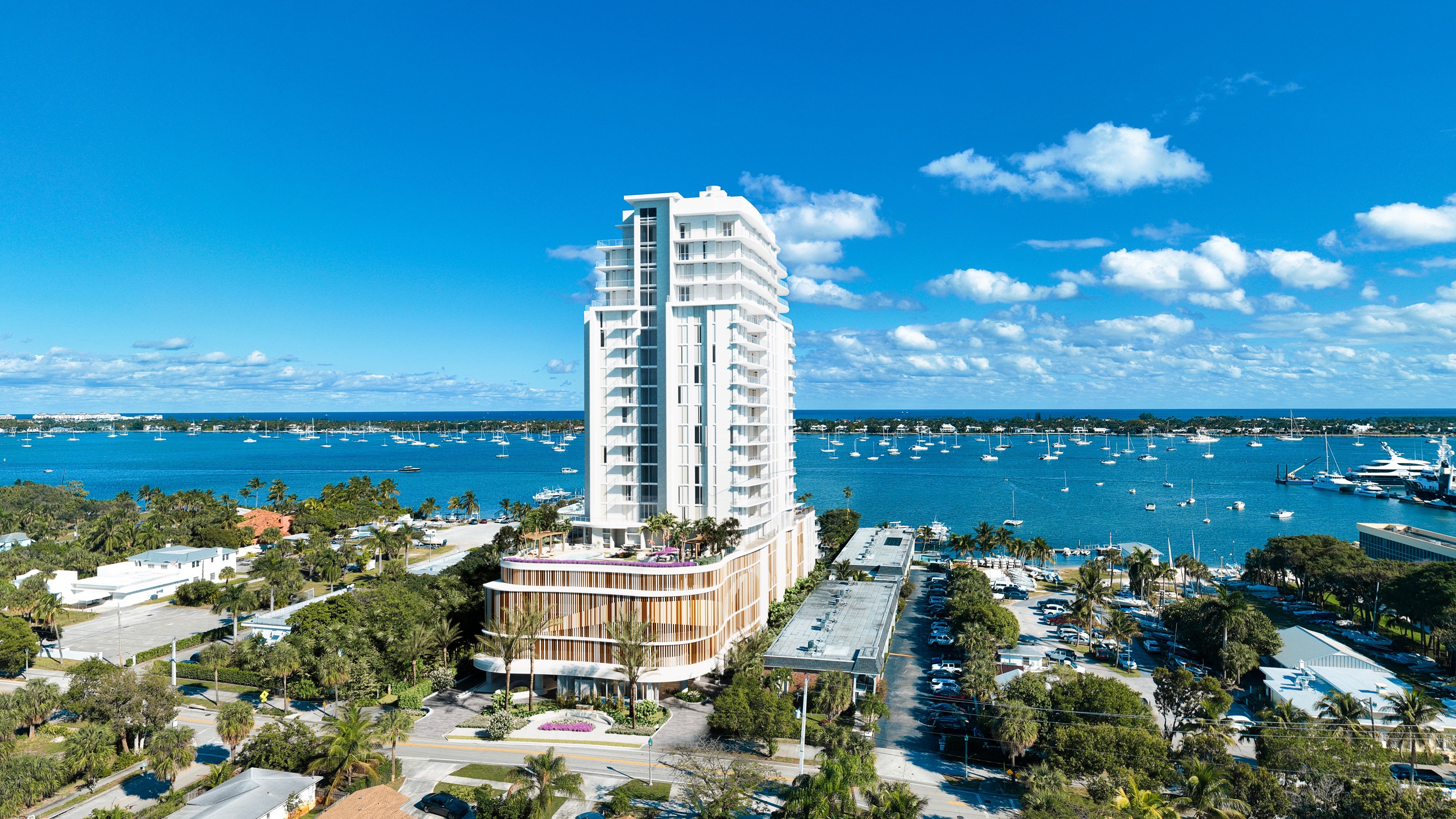
A financed purchase at Alba West Palm Beach involves more than obtaining a general jumbo-loan prequalification. The lender must evaluate the borrower, the condominium and the selected residence, while the buyer must keep sufficient capital available for contractual payments, closing expenses and possible valuation differences.
An appraisal is prepared for the lender and may not assign the same weight to a residence’s distinctive characteristics that a buyer does. When comparable closed sales are limited or materially different, the appraised value can diverge from the negotiated price. That possibility deserves attention before financing deadlines approach.
A successful financing plan connects the residence, the buyer’s liquidity and the verified closing timetable.
Buyers comparing other West Palm Beach residences, including Forté on Flagler West Palm Beach, should treat each loan file separately. A lender’s conclusions for one building or residence do not establish the outcome for another.
An appraisal gap arises when the lender’s accepted value is below the contract price. The purchase price may remain unchanged, leaving the buyer to consider additional cash, revised financing terms or another lending approach, subject to the purchase agreement and lender requirements.
Rather than assume a standard reserve percentage, buyers can model several outcomes for the specific residence. Each scenario should show the anticipated loan amount, buyer equity, closing funds and remaining liquidity. This exercise clarifies how much flexibility exists if the accepted value differs from the contract price.
The analysis should also identify which assets are readily available and whether moving them could create timing, tax or portfolio consequences. Those questions belong with the buyer’s financial and tax advisers. The objective is not merely to prove that more cash exists, but to determine whether using it would remain consistent with the buyer’s broader plan.
A second-lender review may be useful when completed early enough to avoid pressure near closing. Different lenders can have different documentation, condominium review and appraisal processes. Buyers should compare the complete financing structure rather than focus only on a quoted rate.
A down payment is only one part of the purchase. A practical cash plan can separate scheduled contract funds, anticipated loan-related requirements, closing expenses, an appraisal-gap reserve and post-closing liquidity. Keeping those categories distinct reduces the risk of committing the same capital to multiple purposes.
Post-closing planning should reflect the residence’s ownership costs and the buyer’s intended use. Current figures should be verified in the applicable project, association, tax, insurance and loan documents. Marketing materials or preliminary illustrations should not replace the documents governing the transaction.
Buyers considering The Ritz-Carlton Residences® West Palm Beach alongside Alba should avoid transferring assumptions between projects. The relevant residence, contract, condominium documentation and lender review can affect the financing analysis in each case.
A rate lock is most useful when its term corresponds with a supportable closing window. If the lock expires before closing, the buyer may face extension terms, repricing or another financing decision, depending on the lender’s program. A projected construction milestone alone may not provide enough certainty for that choice.
Before locking, buyers should request the latest available closing information for their residence and discuss it with the lender. Important questions include the lock period, expiration date, extension provisions, fees, appraisal timing, condominium review, loan-document deadlines and any available float-down feature.
These elements should be evaluated together. An attractive quoted rate may be less useful if its timing does not match the transaction, while a longer lock may carry terms that require careful review. The appropriate choice depends on the current closing outlook and the buyer’s tolerance for rate and timing risk.
The same discipline applies when evaluating Mr. C Residences West Palm Beach or another South Florida condominium purchase. Financing milestones should follow the documentation and schedule for the selected project rather than a general market assumption.
Begin with loan guidance tailored to the intended residence, ownership structure and asset profile. Ask the lender to identify borrower documents, condominium-review requirements and appraisal conditions at the outset. This can reveal issues that a broad prequalification may not address.
Next, model a valuation shortfall before allocating liquid assets elsewhere. Determine how additional equity would affect the buyer’s reserves and whether an alternative loan structure should be explored in advance. Any contingency rights or financing deadlines should be reviewed with qualified legal counsel under the actual purchase agreement.
Appraisal timing also requires coordination. Buyers can ask when the lender intends to order the appraisal, what access or documentation will be needed and whether the report could require an update if closing moves. The lender should explain its own process rather than leaving the buyer to rely on a general assumption.
Finally, revisit the rate-lock decision whenever the verified closing outlook changes. The buyer, lender and advisers should work from the same current information so that appraisal validity, underwriting, condominium review and lock expiration remain aligned.
For a financed trophy purchase at Alba, preparation means preserving options. A residence-specific valuation plan, clearly separated liquidity and closing-led rate decisions can help the buyer respond deliberately if the transaction changes before completion.
For discreet guidance on Alba and premier South Florida residences, connect with MILLION.
If branded residences are on your mind — as a home or as an allocation — we would be glad to share what we are seeing, privately.
Begin a quiet conversationThe lender’s accepted value may differ from the contract price. Planning ahead helps the buyer understand how additional equity could affect available liquidity.
Not necessarily. The available options depend on the purchase agreement, lender requirements and financing structure.
There is no universal amount. The reserve should be modeled around the selected residence, proposed loan and buyer’s broader liquidity needs.
The lender may still need to review the borrower, condominium documentation and selected residence. A residence-specific review can identify requirements earlier.
The decision should be based on the latest verified closing outlook and the lender’s lock terms. Buyers should avoid relying only on preliminary timing assumptions.
Review the lock period, expiration date, fees, extension provisions, appraisal timing and any available float-down feature.
The buyer may need an extension, repricing or another financing solution, depending on the lender’s program and the transaction timing.
Yes. Buyers should verify current costs in the applicable project, association, tax, insurance and loan documents.
No. Each residence, contract, condominium review and loan file should be evaluated independently.
Qualified legal and financial advisers should review those matters using the actual purchase and loan documents.