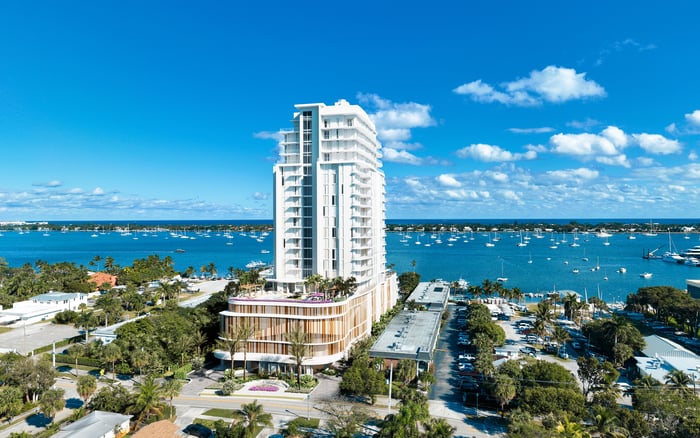
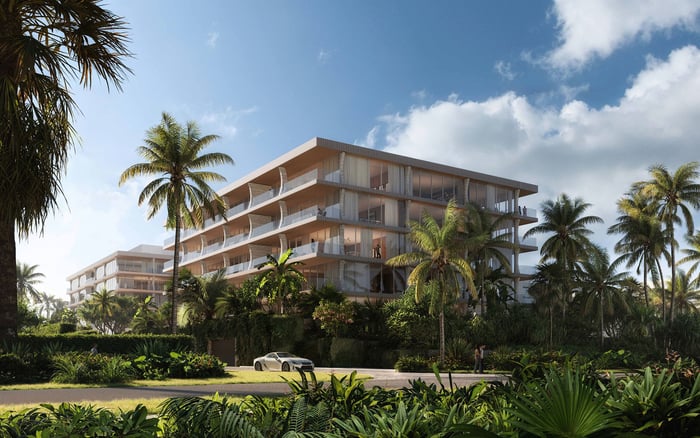
A document-led framework for evaluating façade sealants, balcony waterproofing, rain-related claims, and repair responsibilities at The Ritz-Carlton Residences® Palm Beach Gardens, without confusing construction progress with verified performance.
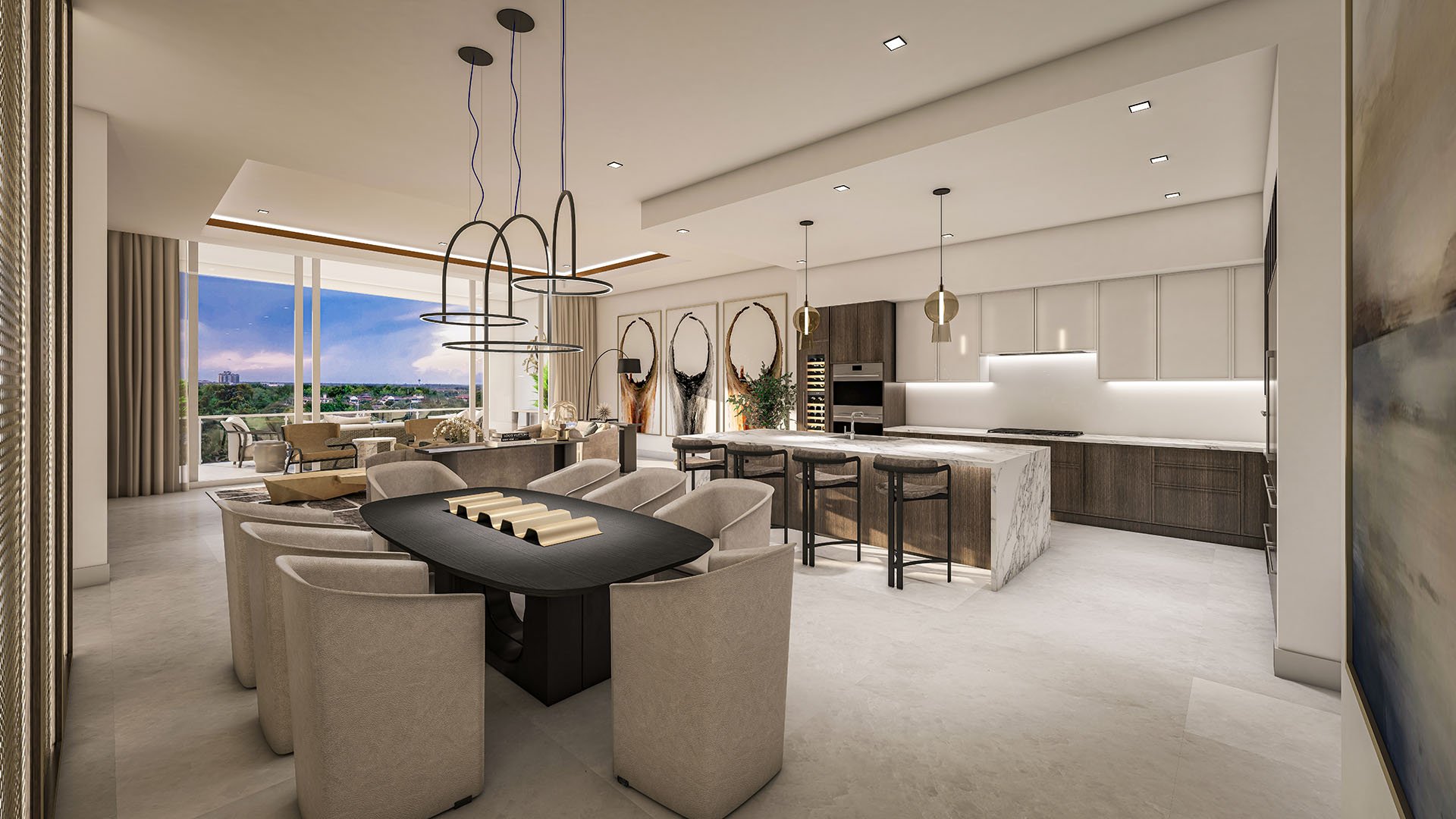
For a family office considering The Ritz-Carlton Residences® Palm Beach Gardens, architectural appeal and technical diligence deserve separate attention. The acquisition question is not simply whether the residence presents beautifully. It is whether the documents establish what was installed, how it was tested, who must maintain it, and how future work will be funded.
No project-specific sealant replacement cycle, balcony-waterproofing failure history, or verified wind-driven-rain claim docket is established here. That is neither a defect finding nor a claims clearance. The appropriate posture is disciplined inquiry: assign each unresolved question to a document request or independent inspection.
For a Palm Beach Gardens acquisition, this distinction protects the quality of the decision. Construction completion, envelope performance, warranty protection, and maintenance funding each require separate evaluation.
Request the official site-plan and permit addresses, then reconcile them with the legal description, parcel identifiers, and proposed purchase documents before treating any search result as unit-specific evidence. If addresses differ across documents, seek clarification rather than characterize the difference alone as a defect or legal irregularity.
Confirm the applicable petition and permit numbers, property-owning entities, and authorized project representatives through the records. Use these identifiers to organize requests-not to infer contractual liability or warranty obligations.
Confirm the permitting authority for the property before ordering inspection and completion records. Ask the reviewer to distinguish permitting records from property-identification records so that one search is not mistaken for a complete diligence file.
Treat any dated construction update as a historical progress report, not a current completion assessment. Statements about finished windows, balconies, or exterior surfaces should be checked against the relevant installation, inspection, and acceptance records.
Construction milestones alone do not establish documented watertightness, successful balcony testing, or the scope of warranty coverage. Request the applicable permits and approvals rather than infer their status from visible progress.
Request the complete relevant permit history: revisions, envelope-related permits, inspection results including failures, open items, and completion or occupancy certificates. Ask the technical reviewer to connect each record to the correct building, elevation, and scope. A general completion statement should not substitute for the underlying envelope acceptance documentation.
Do not insert a generic replacement interval into the ownership model. A defensible project-specific cycle should begin with sealant specifications, approved product submittals, joint schedules, installation records, field-test documentation, warranties, and a written maintenance or replacement plan.
Ask the envelope consultant to identify the joints covered by each document, including interfaces around windows and doors where applicable. The review should distinguish the specified product from evidence of its installation, and warranty duration from an actual maintenance schedule. Sales assurances should not substitute for either distinction.
The financial file should separate routine inspection, localized repair, and broader replacement as planning categories. Request written guidance on scope, timing, access requirements, and responsibility before assigning costs. If timing remains unresolved, retain it as an explicit underwriting question rather than assume a service life.
For a buyer also considering The Ritz-Carlton Residences® West Palm Beach, the same document standard applies. Shared branding should not be treated as shared envelope specifications or warranty terms.
The balcony file should contain membrane specifications, slope and drainage details, threshold drawings, railing-penetration details, flood-test results, repair records, and warranty exclusions. Request location-specific records wherever available so the reviewer can distinguish a representative test from documentation covering the proposed residence.
Ask the consultant to assess how the membrane, drainage, thresholds, and penetrations are intended to work together. The objective is to compare design, installation evidence, and observed condition-not to infer concealed performance from finished surfaces. Completed balconies are a construction milestone, not proof that every waterproofing detail has been verified.
An independent review may include representative sealant observations, drainage and threshold checks, moisture assessment, and targeted water testing where appropriate and authorized. Have the consultant define the scope and limitations in writing. Inaccessible areas and untested details should remain clearly identified, not disappear into a broad statement of satisfaction.
The claims inquiry should request leak complaints, loss notices, expert and adjuster assessments, photographs, repair invoices, coverage correspondence, and construction-defect notices. Ask counsel to determine which parties can provide relevant records and what additional disclosures to seek.
Organize any material received by location, event date, alleged entry point, investigation, repair, and follow-up verification. Distinguish an allegation from a technical finding, a submitted insurance claim from accepted coverage, and a completed repair from documented performance after repair.
The absence of a verified public claim does not establish the absence of warranty claims, insurance matters, arbitration, or confidential settlements. Equally, requesting those records does not imply that such matters exist at this project. This is a neutral acquisition protocol, not an assertion of construction failure.
Review the declaration, maintenance matrix, turnover records, reserve materials, and maintenance manuals together. Ask counsel to identify who must inspect, maintain, repair, and replace each relevant component. Ask the financial adviser to trace those duties into the funding assumptions.
Keep legal responsibility, warranty recourse, and available reserves as separate questions. Request clarification of exclusions, notice requirements, and any conditions attached to coverage. Do not assume that a branded residence transfers all envelope obligations away from the owner.
A comparison with Alba West Palm Beach should use the same questions, without presuming identical systems or obligations. The meaningful comparison is the clarity of the documentation and the treatment of unresolved costs-not an unsupported ranking of building quality.
Before commitment, assemble a concise decision memorandum that separates established facts, outstanding documents, consultant observations, and questions requiring legal or financial advice. Require written support for material assurances; do not rely on oral statements as an accurate account of the developer’s representations.
The strongest diligence file need not promise a maintenance-free residence. It should make known obligations clear and keep uncertainty visible enough to inform the purchase decision.
For a discreet conversation about your South Florida residential acquisition, connect with MILLION.
If branded residences are on your mind — as a home or as an allocation — we would be glad to share what we are seeing, privately.
Begin a quiet conversationNo. It sets out document requests and review priorities without establishing a project-specific sealant defect, balcony-waterproofing failure, or verified rain-related claim.
No project-specific cycle is established here. Request the specifications, installation and testing records, warranties, and written maintenance or replacement plan before adopting an interval.
Reconcile the official site-plan and permit addresses with the legal description, parcel identifiers, and purchase documents before treating search results as unit-specific evidence.
Confirm them through the applicable records and use them to organize document requests. They should not be used alone to infer liability or warranty obligations.
First confirm the permitting authority for the property, then request the relevant permit and inspection history. Keep property-identification searches separate from permitting review.
No. Installation milestones do not establish successful waterproofing tests, warranty coverage, or verified envelope performance.
Request membrane specifications, slope and drainage details, threshold and railing-penetration details, flood-test results, repair records, and warranty exclusions.
No. It does not establish the absence of warranty or insurance claims, arbitration, or confidential settlements.
Responsibility requires review of the declaration, maintenance matrix, and related governing documents. Evaluate warranty recourse and reserve funding separately.
No. Check historical progress statements against current permit, inspection, and acceptance records rather than assume they establish present completion or performance.