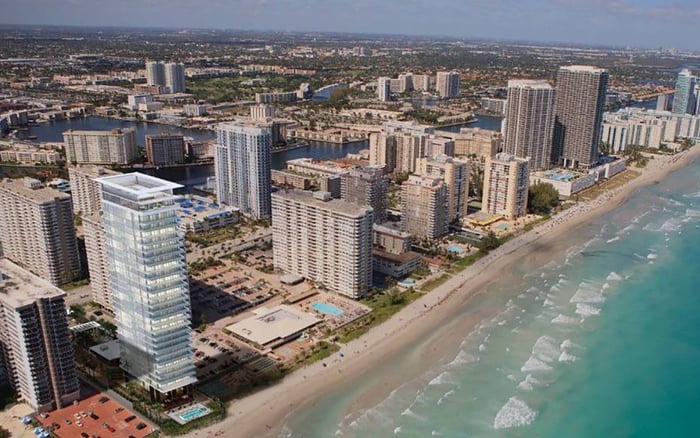
At 2000 Ocean, the right offer depends on separating documented obligations from unconfirmed discussion. Buyers should verify engineering, reserve, bidding, assessment, and access records before assigning a price to possible restoration exposure.
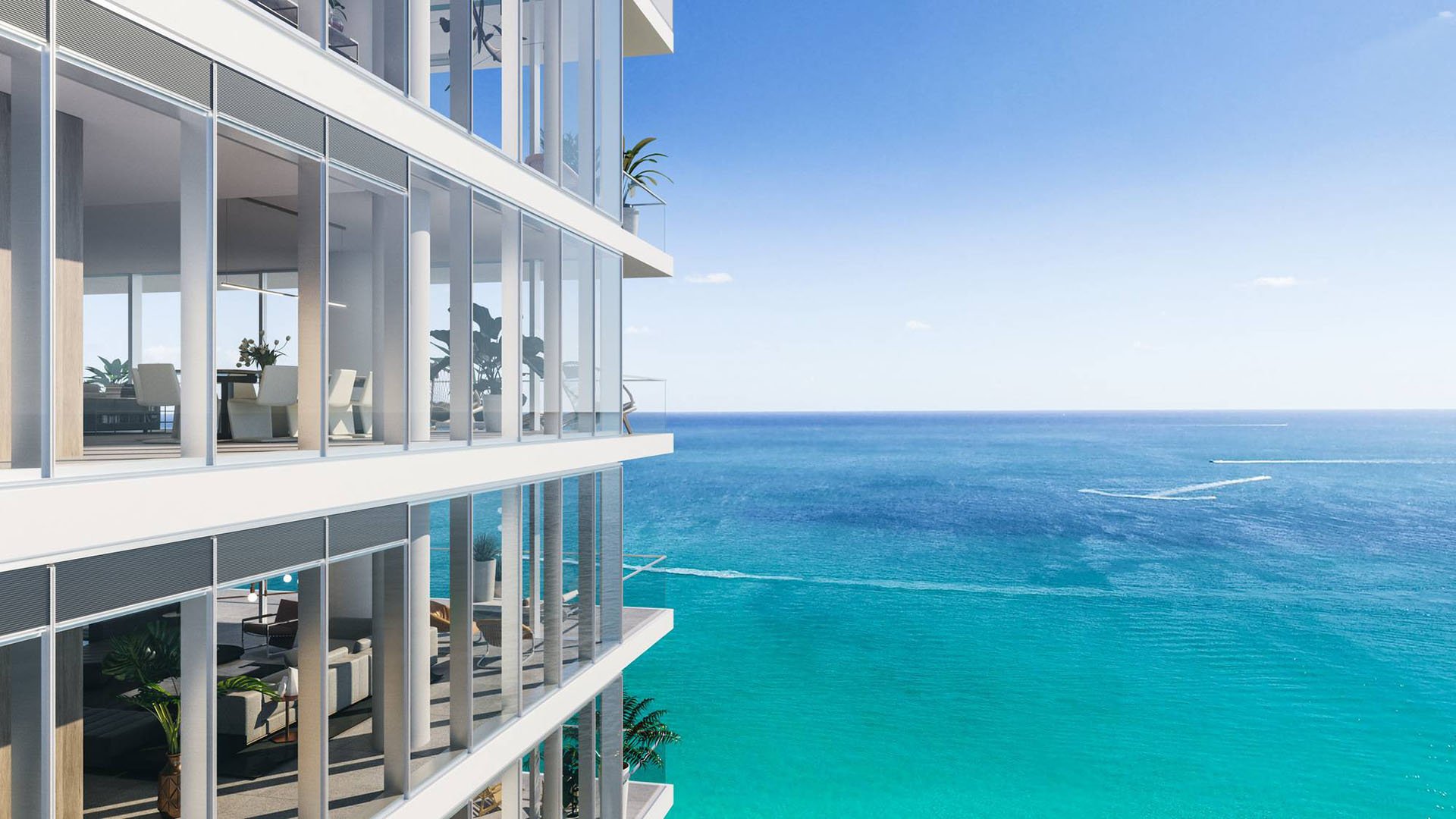
The appeal of 2000 Ocean Hallandale Beach is unusually focused: a slender, 38-story oceanfront tower with 64 luxury condominiums at 2000 South Ocean Drive, immediately north of Golden Beach. Residences span approximately 2,913 to 5,832 square feet. That boutique scale can make the property feel more private, but it also gives every buyer reason to understand how a major common-element expense would be distributed.
The central point is equally important: available public information does not establish that the condominium currently has an approved concrete, waterproofing, or façade project. A buyer should neither discount an otherwise compelling residence because of rumor nor assume that no work exists simply because it is absent from marketing materials. The offer should be conditioned on direct, building-specific verification.
Price documented obligations, preserve protection for unresolved scope, and value disruption separately.
Request the association’s engineering reports, inspection findings, reserve information, bids, signed contracts, board minutes, owner notices, and assessment schedules. The request should expressly cover concrete, façades, stucco, balcony areas, waterproofing, roofs, garages, railings, pool decks, and other shared elements. Broad language matters because a single envelope program can affect several systems and amenities at once.
No SB 4-D applicability determination or Structural Integrity Reserve Study appears in the available public file. That gap is a limitation of the record-not proof that a study does not exist, that no work is contemplated, or that the association is noncompliant. Obtain the association’s actual files and have qualified advisers interpret them.
The building timeline also warrants clarification. Available information gives two completion dates: February 2020 and 2022. Buyers should establish the relevant completion or occupancy history through transaction documents rather than selecting the more convenient date.
Not every mention of restoration carries the same negotiating weight. Before adjusting the price, place the information into one of four categories.
An approved project with a fixed assessment.
If the association has approved the work and allocated a documented amount to the unit, the buyer can negotiate from a defined obligation. The offer might reflect a lower purchase price, a seller credit, payment by the seller, or an explicit allocation at closing. The contract should state who pays installments due before and after closing.
A project under bidding.
The scope may be identifiable while the cost remains fluid. Review the engineering basis, bid comparisons, proposed phasing, contingencies, and the method by which owners may be charged. A simple credit equal to an early estimate may not account for later change orders or expanded scope.
An engineering recommendation without approval.
This is a potential liability, not a finalized bill. The buyer can preserve the right to review subsequent records, renegotiate if specified developments occur, or terminate within a defined inspection period. The economic adjustment should recognize uncertainty without presenting an estimate as a fixed assessment.
Informal board discussion.
Minutes may reveal an issue before plans or costs exist. In that case, aggressive discounting can be difficult to support. Strong document contingencies and a disciplined reserve for uncertainty may be more appropriate than attaching a speculative figure to the residence.
For buyers considering other Hallandale options, Shell Bay by Auberge Hallandale can broaden the search context. Any comparison should remain property-specific because governance, construction history, reserves, and pending obligations cannot be transferred from one community to another.
Concrete restoration and building-envelope work can affect more than the association ledger. Comparable restoration activity in Hallandale Beach has included concrete repair, painting, balcony waterproofing, railing replacement, and pool-deck work across multiple buildings. Buyers should therefore investigate both the financial burden and the lived experience.
Ask whether scaffolding or swing stages could cross the residence’s view corridor, whether terraces may be closed, and whether workers could require access through the unit. Determine the anticipated hours, phasing, noise, dust controls, parking changes, and amenity closures. Oceanfront ownership is shaped by daily use, so temporary restrictions on outdoor space can matter even when the direct assessment is manageable.
This distinction is especially relevant to a second-home buyer with limited seasonal occupancy or an owner planning immediate improvements. A documented assessment can be calculated. Lost terrace use, interrupted renovation logistics, and uncertain completion timing require separate judgment.
Buyers comparing Broward’s coastal corridor might also examine Auberge Beach Residences & Spa Fort Lauderdale and Rosewood Residences Hillsboro Beach. These alternatives can help frame preferences for location and property format, but they cannot substitute for reviewing the records of the specific condominium under consideration.
Once the documents are complete, model three figures. First, calculate the unit’s established share of any approved obligation. Second, create a reasonable allowance for unresolved scope, but do not characterize that allowance as a known assessment. Third, value foreseeable disruption based on the buyer’s intended use and expected timing.
The resulting offer can combine price, credits, escrow, and closing allocation rather than relying on price alone. If a seller agrees to satisfy an assessment, the contract should identify that assessment and address installments, changes, and obligations adopted around closing. Florida condominium counsel should draft or review the document-inspection contingency and assessment language.
Reserve information also requires context. A substantial project may be funded through reserves, owner assessments, or a combination of both, and the records should show what has actually been authorized. For an investment purchase, underwriting should not assume uninterrupted balcony access or amenity availability when the records indicate possible restrictions. Waterfront prestige does not eliminate execution risk.
The strongest offer at 2000 Ocean is neither reflexively discounted nor casually unconditional. It recognizes the tower’s limited residence count and coastal setting while requiring precise answers about engineering scope, funding, approvals, timing, and access. If the records reveal a fixed obligation, negotiate it directly. If they reveal only developing discussion, protect the inspection period and avoid converting uncertainty into false precision.
For discreet guidance on evaluating the residence, its records, and a properly structured offer, connect with MILLION.
If branded residences are on your mind — as a home or as an allocation — we would be glad to share what we are seeing, privately.
Begin a quiet conversationAvailable public information does not establish a currently approved concrete, waterproofing, or façade project. Buyers should verify the association’s records directly.
Request engineering and inspection materials, reserve information, bids, contracts, board minutes, owner notices, and assessment schedules covering structural and envelope components.
No. It indicates a limitation in the available public record and does not prove that no study exists or that the association is noncompliant.
Account for the unit’s documented share through price, seller credit, payment by the seller, or explicit allocation at closing.
Use robust document contingencies and separately evaluate scope uncertainty. Avoid treating an informal discussion as a fixed financial obligation.
The supplied history contains 2020 and 2022 completion references. Buyers should confirm the relevant completion or occupancy date through transaction records.
Ask about scaffolding, balcony restrictions, noise, unit access, parking changes, view interference, and amenity closures.
Reserve funds may cover some or all authorized costs, but buyers must verify the approved funding plan rather than assume how a project will be financed.
That is negotiable, but the contract should expressly allocate installments and address obligations adopted near the closing date.
Florida condominium counsel should draft or review document-inspection contingencies and assessment-allocation terms for the specific transaction.