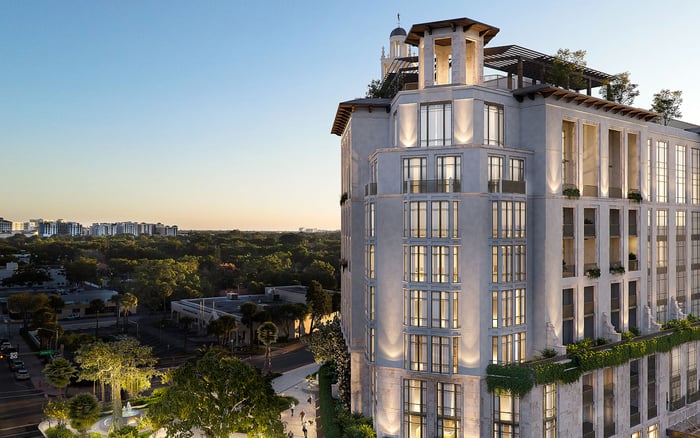
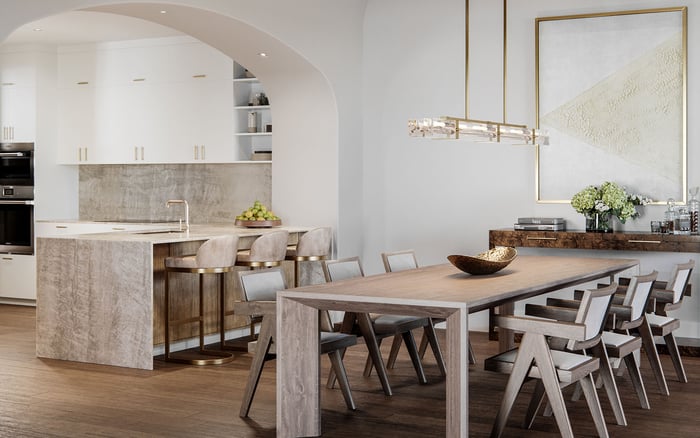
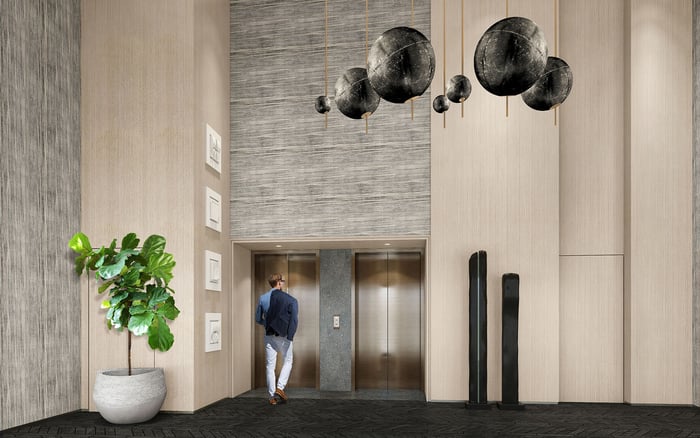
For a Greenwich household considering Coral Gables, privacy should be evaluated as a complete arrival sequence. Compare parking, elevator permissions, foyer sightlines, staff access and delivery procedures before treating a private elevator as the deciding amenity.
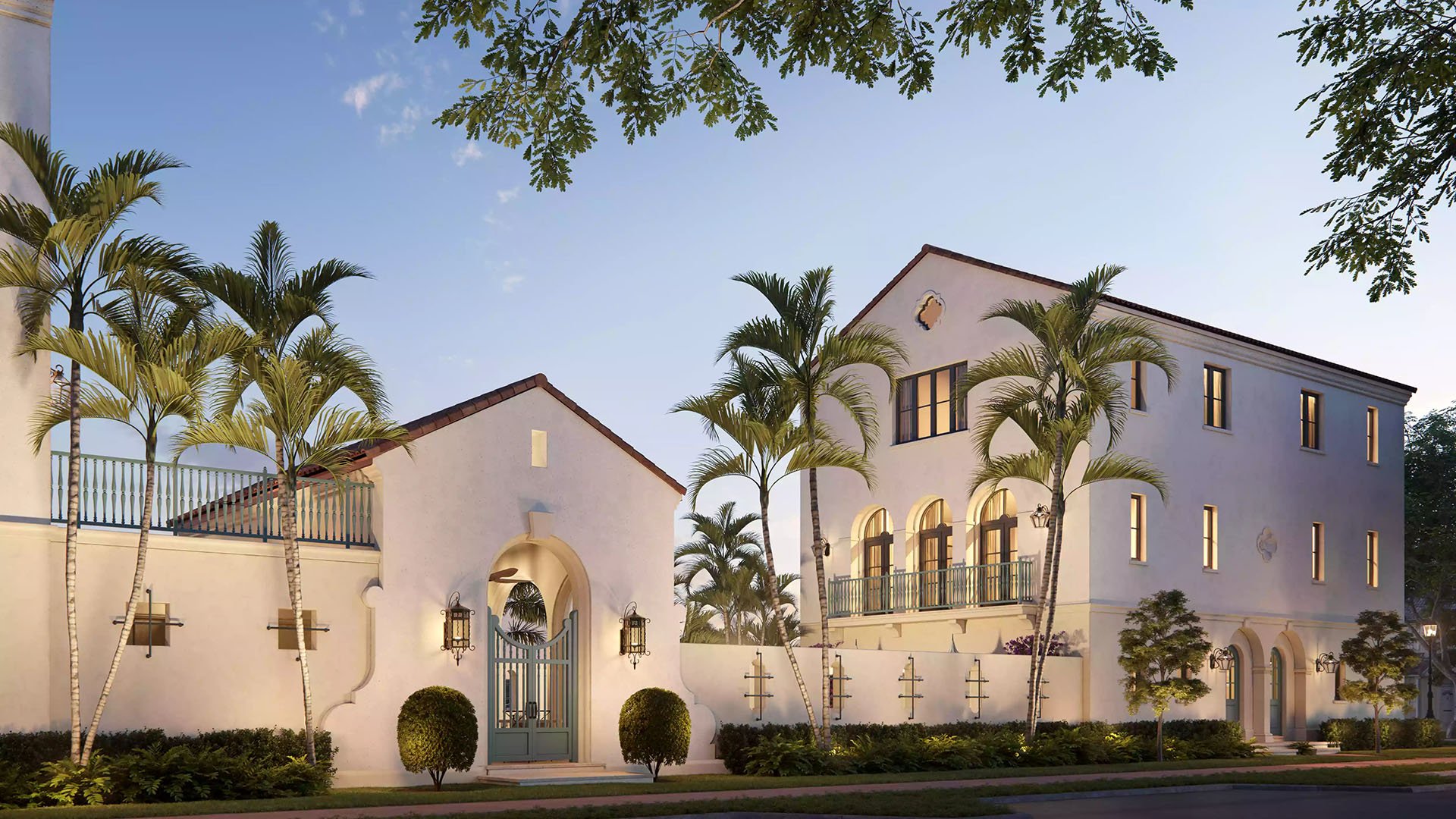
A move from Greenwich to Coral Gables should begin with a description of daily life, not an amenity checklist. If your present home lets you arrive out of public view, receive groceries separately from guests or give household staff access without opening the principal entrance, those arrangements deserve explicit attention in your next property decision. They are household requirements, not assumptions about either community.
The key distinction is between a private destination and a private journey. An elevator may open into a residence’s foyer, yet the route to it may still involve a valet stand, shared waiting area or garage lobby. Privacy is the continuity of control from the vehicle door to the home’s interior.
Before touring, define which encounters are acceptable, which require permission and which you want to avoid. That brief should guide the property search as closely as bedroom count or terrace orientation.
Begin the inspection where you would actually step out of the car. Where available, walk both the valet route and any permitted self-parking route. Observe sightlines from the street, waiting areas and garage elevator doors. Ask where a driver can wait, where luggage changes hands and whether visitors use the same arrival point.
Establish whether parking access is controlled, whether valet is offered or required and how guests are screened. A staffed arrival and private elevator access should remain separate comparison criteria: neither establishes the other.
If Cora Merrick Park enters your shortlist, apply the same route-based inspection rather than presuming its arrival arrangements. The question is how your household would move through the property, not simply how the entrance photographs.
When evaluating Ponce Park Coral Gables, request the exact residence plan and documentation of its elevator-entry arrangement. Establish whether access is shared, semi-private or private, and what each description means for the home under consideration.
Ask what any entry doors separate, who can authorize an arrival and what becomes visible when the elevator opens. Evaluate the foyer’s ability to buffer living rooms, bedroom corridors and family activity, not merely its finish palette.
A description of private elevator entry does not, by itself, establish an exclusively dedicated elevator cab or the permissions governing access. Request a clear explanation of who may ride the elevator, which destinations they can select and how authorization is managed.
Keep the comparison residence-specific. Do not treat a building-wide description as a substitute for the layout and access rules applicable to the home you intend to purchase.
A household with a housekeeper, chef, caregiver or regular pet-care provider needs more than a guest-entry policy. Ask management to explain recurring access, temporary credentials, permitted hours, revocation procedures and whether an owner must approve each visit. Establish who can authorize entry when you are away.
For Ponce Park, as for any shortlisted property, request the documented service and staffing arrangements rather than inferring them from an amenity description. Ask which personnel, if any, can release an elevator, access a floor or enter a residence, and under what circumstances.
Treat staff convenience and family privacy as complementary design requirements. On the floor plan, trace the path from arrival to the kitchen, laundry or other work area. If that route crosses the principal living space, decide whether it fits your routines. Do not assume a separate service elevator or entrance unless it is documented for the residence.
If a property offers mail delivery to residences, laundry collection or other household services, establish the handoff location. Delivery to a residence does not, on its own, explain who reaches the foyer or whether entry beyond it requires permission.
Run three practical scenarios during due diligence: groceries arriving while you are out, a garment return during dinner and a large furniture delivery. Ask who receives each item, where it waits, how the resident is notified and which elevator route is permitted. For furniture, confirm scheduling, access supervision and any applicable building requirements.
Apply the same household brief if considering The Village at Coral Gables. Request property-specific entry and delivery details without assuming its arrangements match an elevator-focused residence. The objective is a predictable boundary between service and domestic life, whatever form the residence takes.
Where a property includes nonresidential uses, circulation deserves its own inspection. Ask for the circulation plan and identify any shared waiting, vehicle or pedestrian areas. Confirm whether residential and nonresidential visitors use separate entrances, elevators or parking arrangements rather than assuming separation.
Then test the exceptional day, not just the ideal arrival. Request procedures for elevator maintenance, an outage, an after-hours contractor and emergency access. Ask which alternative route residents use and how access permissions change. These are questions to resolve, not features to presume.
Distinguish advertised features from operating conditions. For a residence that is not yet occupied, separate planned services from those demonstrated in operation, and review the applicable commitments before relying on either.
Before committing, request the residence plan, relevant access rules, delivery procedures and a clear explanation of staff and emergency permissions. Record unresolved questions alongside the features you have actually inspected. An attractive foyer cannot settle the question of who may reach it.
The right Coral Gables property is the one whose architecture and operating rules support the discretion your household values. Compare the ordinary return home, the staffed workday and the unattended delivery with equal care.
For a discreet property search shaped around your household’s arrival and service requirements, connect with MILLION.
If branded residences are on your mind — as a home or as an allocation — we would be glad to share what we are seeing, privately.
Begin a quiet conversationDefine the privacy arrangements your current household actually uses, including vehicle arrival, staff entry and delivery handoffs. Use those requirements to evaluate each property rather than assuming either community offers a uniform experience.
Not necessarily. Private entry or a private foyer does not by itself establish exclusive cab use, so request the exact residence layout and access permissions.
Request the exact residence plan and documentation of elevator-entry arrangements. Confirm who can authorize access and what is visible when the elevator opens.
Walk every arrival route you expect to use and inspect its sightlines. Confirm parking access controls, guest screening and whether any valet service is optional or required.
Evaluate whether it buffers living areas and bedroom corridors from arriving visitors. Confirm who can reach it before relying on it as a privacy boundary.
A building-wide description does not establish the layout or permissions applicable to a particular home. Request residence-specific plans and access rules.
No; evaluate staffing and elevator permissions separately. Ask which personnel can authorize access and under what circumstances.
Ask about recurring credentials, permitted hours, owner approval, revocation and who may authorize entry during an absence. Trace the staff route through the exact residence plan.
Confirm who receives items, where they wait, how residents are notified and which route reaches the residence. Mail delivery to a residence does not establish permission to enter the home.
Shared arrival areas and alternative elevator routes can affect the privacy of the journey home. Ask for property-specific circulation plans and maintenance, outage and emergency-access procedures.