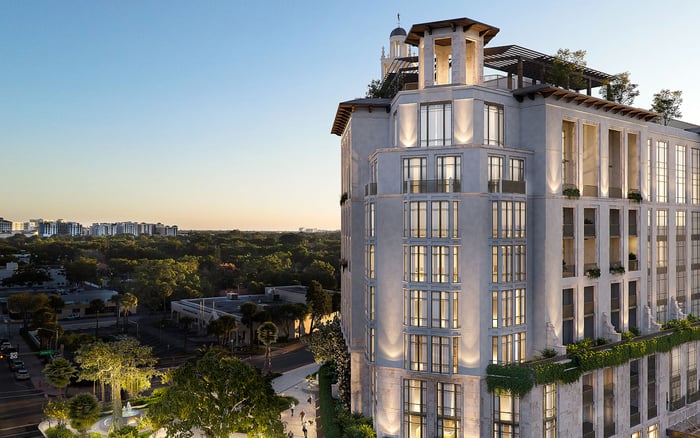
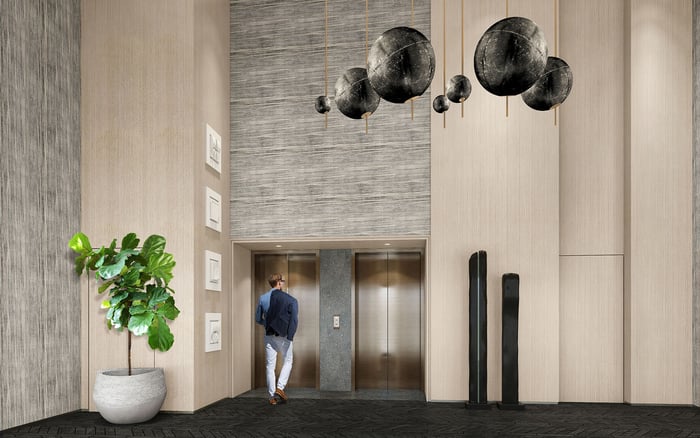
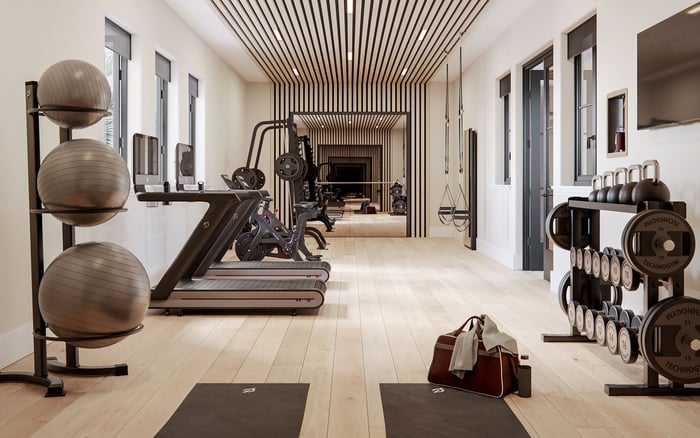
A collection-led purchase plan for Coral Gables, aligning light exposure, UV control, engineered mounting and insurance review before a residence is ready for installation.
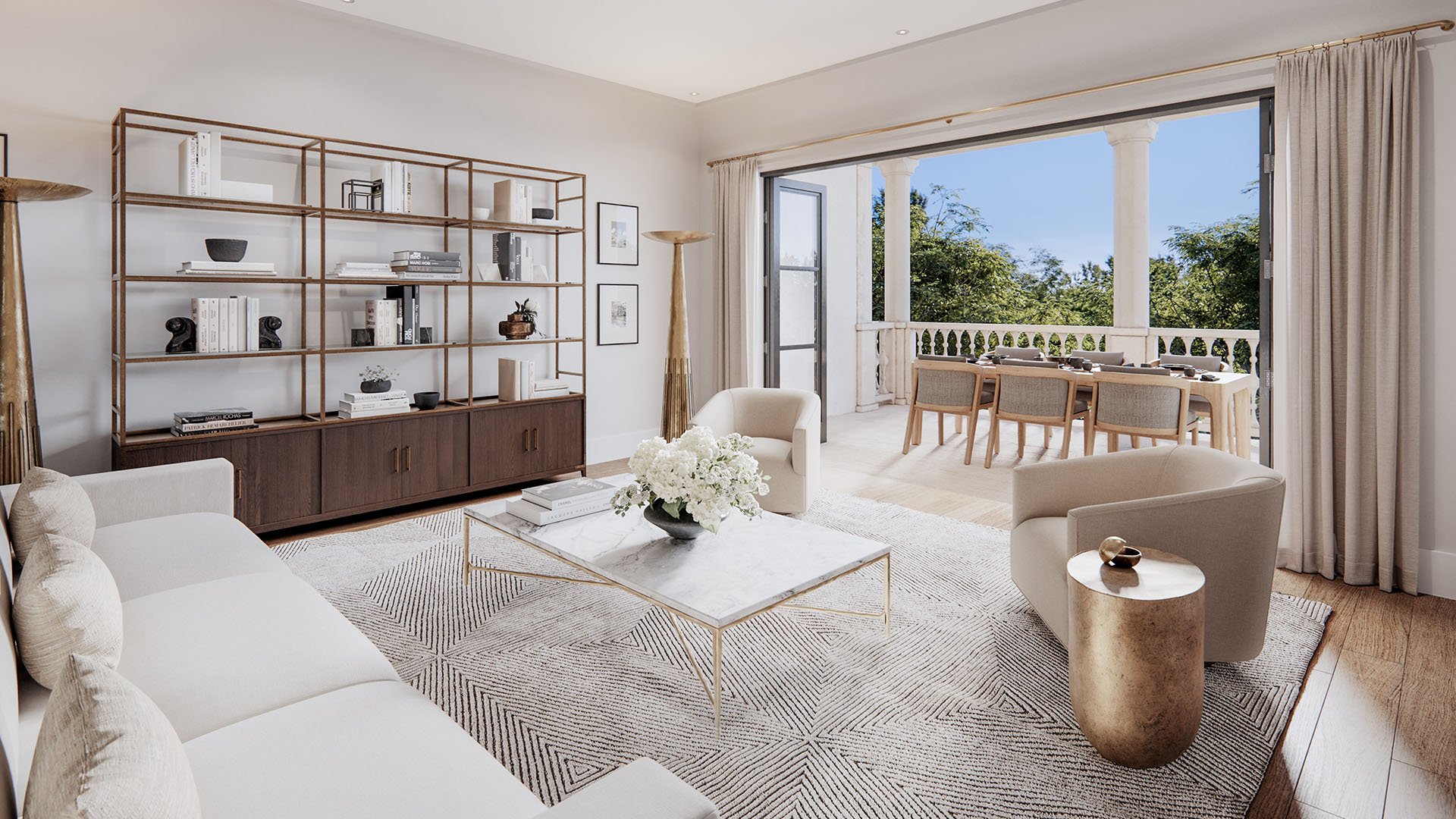
For a family office purchasing in Coral Gables, the art collection belongs in the brief before furniture layouts and decorative lighting. The question is not simply whether a residence has sufficient wall space, but whether the proposed display can accommodate each work’s sensitivity, mounting needs and insurance arrangements without compromising how the household lives.
Treat museum-grade as an ambition for disciplined planning, not a certification conferred by expensive fixtures or protective glass. A beautiful room and a suitable display environment are distinct outcomes. The purchase process should establish how they will coexist.
When considering Ponce Park Coral Gables, for example, include the collection brief in the residence-specific review rather than assuming a project name establishes conservation performance. Ask the conservator, lighting designer, architect, structural engineer and insurance adviser to work from the same proposed artwork locations.
Begin with an inventory of materials, condition and intended display duration. Medium alone is not a sufficient lighting specification: a painting with sensitive pigments or glazes may require a more restrictive setting than its appearance suggests.
Use these conservation benchmarks as starting points for professional review:
Approximately 50 lux or below for sensitive works, including paper, textiles, watercolors and some photographs.
A ceiling near 100 lux for moderately sensitive objects, including certain paintings with sensitive pigments or glazes.
Approximately 150-200 lux for less-sensitive objects, subject to their particular materials and condition.
None of these levels guarantees freedom from damage. Do not assign one setting to an entire collection merely because it looks balanced across a room. Request measurements at each artwork’s display position and a schedule identifying its intended setting.
Specify high-quality LEDs with a color rendering index above 90. Appropriately selected good- or excellent-quality LEDs do not inherently cause more damage than halogen, incandescent or UV-filtered daylight. Evaluate their appeal alongside exposure control, never as a substitute for it.
Illuminance is only half the calculation. Lux-hours equal illuminance multiplied by exposure time, so dim lighting left on continuously can produce greater cumulative exposure than brighter lighting used briefly.
Ask the designer to separate everyday circulation lighting from collection lighting. The operating brief should specify when display lights turn on, dim and switch off. Plan rotations and dark-storage intervals for sensitive works rather than assuming permanent illumination.
Keep storage lights off when the space is unoccupied, using motion sensors where useful. For light-sensitive objects, avoid direct sunlight and spotlights. The lighting scheme should support viewing without treating every work as a permanently illuminated architectural feature.
For a residence under consideration at Cora Merrick Park, bring this operating schedule into the layout discussion. The question is whether the proposed home can support controlled display and storage, not merely whether a rendering offers an attractive place for art.
UV filtration is important, but it does not prevent fading caused by visible light. Protective glazing belongs within a broader strategy that also limits illumination and display time.
A conservation planning benchmark is residual UV below 75 microwatts per lumen; approximately 0-10 µW/lm is achievable with current technology. Ask the design team to establish the appropriate specification and verify the result at the intended display locations, rather than relying on a general product description.
Where UV cannot be eliminated at the light source, consider UV-absorbing glazing appropriate to the object. Display lighting should ideally eliminate both ultraviolet and infrared radiation, addressing UV exposure and unwanted radiant heat as well as visible illumination.
Include window shades in the conservation brief. Review proposed artwork locations for direct sunlight and decide which walls should remain unavailable to sensitive pieces. A disciplined plan may reserve the most daylight-exposed room for less-sensitive objects while placing works on paper elsewhere, subject to conservator review.
Wall loading requires a property-specific answer. No universal mounting capacity can responsibly be assigned to a residence from its finishes, floor plan or marketing description.
As part of purchase due diligence, commission a review of the proposed work, its frame or enclosure, the wall construction and the complete attachment arrangement. Ask the engineer and installer to document what must be verified, whether reinforcement is needed and which mounting detail is suitable. Do not mistake a fastener’s advertised capacity for approval of the whole installation.
At The Village at Coral Gables, apply the same residence-specific discipline: request the relevant construction information and establish the feasibility of intended display locations before authorizing work. This is a due-diligence recommendation, not a statement about the project’s wall capacities.
Coral Gables generally requires permits before construction, demolition, modification or renovation, subject to applicable exemptions or Building Official waivers. That does not mean every picture-hanging installation requires a permit. Ask the project team to confirm the proposed scope with the city; exempt work must still comply with the Florida Building Code and other applicable requirements.
Treat collection insurance as a document-review exercise, not an assumed benefit of purchasing a high-value residence. Before arranging transport, ask the insurance adviser to explain the proposed coverage in writing and reconcile it with the collection’s intended use.
The review should address valuation, transit, temporary storage, installation, display rotations and movement between residences. Ask specifically how the wording addresses storm-related events, exclusions, deductibles and any protective-safeguard conditions. Establish these matters in the actual contract; do not infer coverage promises from a policy label.
Build a collection file for that discussion: inventory, available valuation documentation, condition information, proposed locations and the installation plan. Ask who must be notified when the collection or its arrangements change. Where policy language is unclear, seek clarification before authorizing transport rather than relying on an informal assurance.
The final purchase plan should distinguish unresolved feasibility questions from approved installation details. Before installation, request a concise handover covering artwork locations, measured light settings, shade operation, rotation schedules, mounting documentation and outstanding actions from the insurance review.
Assign responsibility for maintaining those arrangements. Collection care should remain understandable when the family is away or household staff change. The objective is a residence in which enjoyment and stewardship reinforce one another, without making conservation depend on memory.
For a discreet, collection-led approach to your Coral Gables property search, explore MILLION.
If branded residences are on your mind — as a home or as an allocation — we would be glad to share what we are seeing, privately.
Begin a quiet conversationNo. Museum conservation guidance provides planning benchmarks, not certification that a residence is suitable for every work.
Approximately 50 lux or below is a starting point for paper, textiles, watercolors and some photographs. It is not a guarantee against damage.
No. Paintings with sensitive pigments or glazes may need a ceiling near 100 lux, while less-sensitive objects may accommodate approximately 150–200 lux after material and condition review.
Lux-hours combine illuminance and exposure time. Dim lighting left on continuously can produce more cumulative exposure than brighter lighting used briefly.
Specify high-quality LEDs with a color rendering index above 90. Appropriately selected LEDs do not inherently cause more damage than halogen, incandescent or UV-filtered daylight.
No. Visible light can still cause fading, so protective glazing must be paired with limits on illumination and display time.
A conservation planning benchmark is below 75 microwatts per lumen, with approximately 0–10 achievable using current technology. Have the design team verify the intended display conditions.
No universal capacity should be assumed. Request a property-specific review of the artwork, wall construction and complete mounting arrangement.
Not every picture-hanging installation necessarily requires a permit, but construction or modification generally does, subject to exemptions or waivers. Confirm the proposed scope with the city; exempt work must still comply with applicable codes.
Ask the adviser to clarify valuation, transit, storage, installation, storm-related wording and protective-safeguard conditions in the actual contract. Do not assume those terms from a policy label.