A prospective buyer’s guide to Ponce Park’s eventual condominium turnover, distinguishing insurance from statutory warranties and outlining the records, engineering review and claim deadlines owners should understand.
For a luxury condominium buyer, stewardship matters as much as the residence itself. At Ponce Park Coral Gables, ownership diligence should include how the future owner-controlled association will document building conditions, evaluate warranties and address potential construction-defect claims.
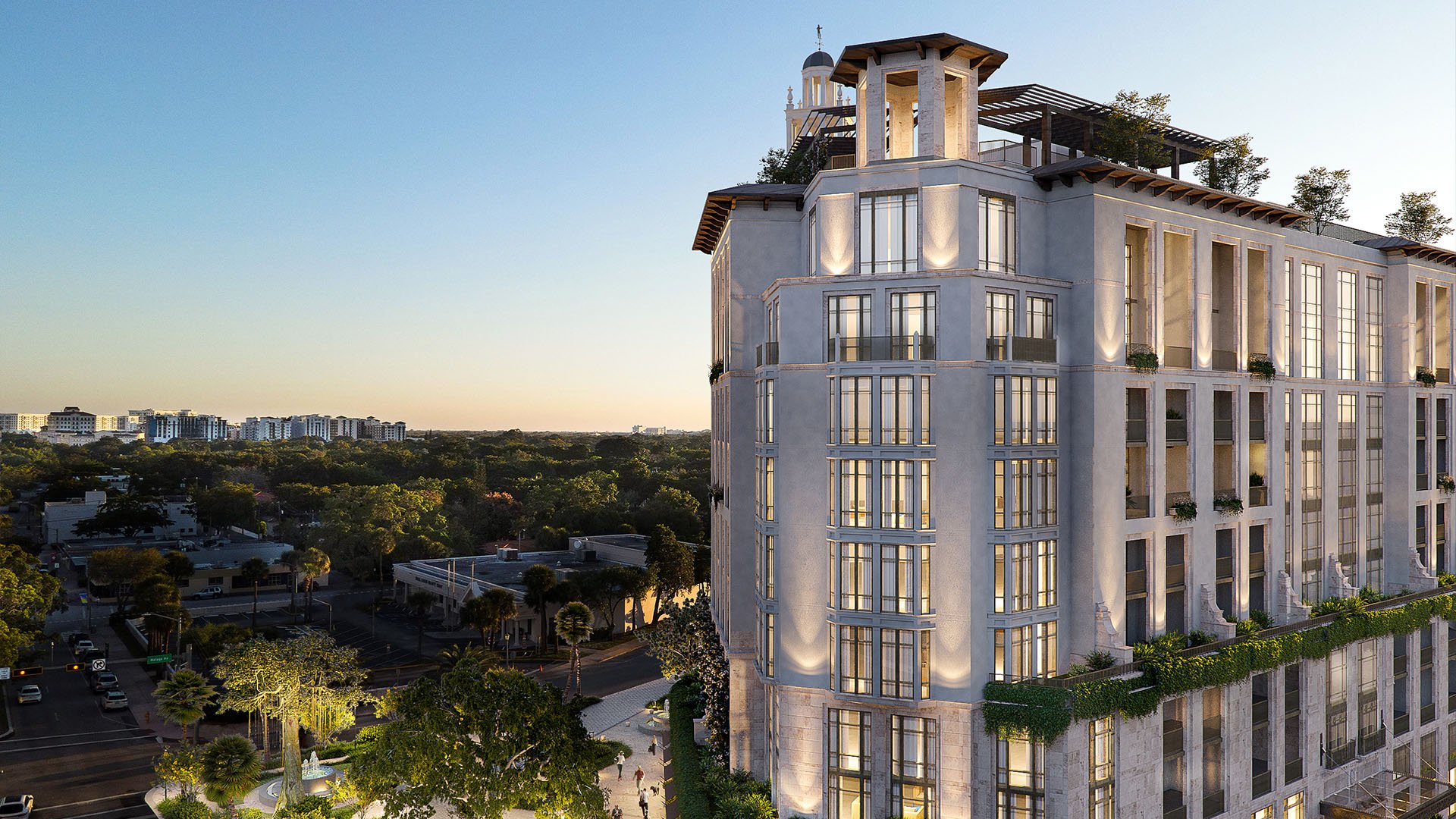
Ponce Park, also called Ponce Park Residences, is an Allen Morris Company development at 3000 Ponce de Leon Boulevard. As of January 2026, construction was underway, with completion anticipated in early 2028. That anticipated completion date is not a confirmed turnover date.
The distinction is essential: this is a prospective framework, not a description of an established Ponce Park claims program. The project’s actual post-turnover procedures, issued defect-related insurance coverage and claims history are not established here. Buyers should neither assume defects exist nor interpret an insurance requirement as a promise that every future repair will be funded.
A draft insurance condition associated with Ponce Park’s 2024 project approval calls for applicant-maintained commercial general liability insurance on an occurrence basis with a Florida-authorized insurer.
That draft condition is not evidence of an issued policy’s scope. It establishes neither applicable limits, exclusions and insured parties nor protection after turnover. It also does not establish a dedicated construction-defect policy for purchasers or the association.
Insurance is not a warranty. A statutory warranty concerns an obligation regarding the unit or specified building components. Insurance requires a separate assessment of the actual policy and the circumstances of a claim.
Buyers should ask their advisers to review complete policies and endorsements, identify whose interests they protect, and determine what notice provisions or coverage questions could arise. The objective is straightforward: do not treat the word “insured” as a substitute for a policy review.
Florida condominium law provides implied warranties for units and specified improvements and building components. Their scope and duration vary by category.
The developer’s implied warranty of fitness and merchantability for an individual unit runs for three years from completion of the building containing that unit. The starting point is building completion-not automatically the purchaser’s closing or the association’s turnover.
For specified roof, structural, mechanical, electrical and plumbing components, the developer warranty can extend to one year after turnover, subject to a five-year maximum from completion for that category. This is not a blanket five-year warranty for everything within a residence.
A buyer comparing Ponce Park with Cora Merrick Park should request a property-specific explanation rather than assume identical warranty dates or documentation. This is a diligence principle, not a comparison of either project’s construction quality.
Ask counsel to map each potentially relevant component to its warranty category, completion date and applicable deadline. A written schedule is more useful than a general assurance that a building is “still under warranty.”
Turnover obligations include delivery of association property, records, financial documents and insurance policies to the owner-controlled board. Receipt should begin a structured review, not mark the end of the transition.
After turnover, the association may pursue litigation over defects affecting common elements or matters of common interest concerning most or all owners. Counsel should distinguish those issues from claims specific to an individual residence and determine the appropriate claimant.
A recommended management structure is straightforward: the board oversees decisions, an independent engineer evaluates physical conditions, counsel assesses rights and deadlines, and insurance advisers examine possible coverage. This is a prudent approach, not a description of Ponce Park’s confirmed future staffing or procedures.
Owners should also ask how concerns will be recorded, who will coordinate inspection access, and how repair proposals will reach the board for review. A consistent written record gives decision-makers a clearer basis for action.
A prompt independent engineering analysis at turnover helps identify defects while statutory warranties and claim periods remain available. It should inform the association’s decisions before complaints or approaching deadlines become the sole drivers.
For specified association defect claims against a developer, Florida condominium law requires examination and certification by an appropriately licensed Florida professional. Counsel should determine how that requirement applies to a contemplated claim and coordinate the necessary professional review.
Buyers should ask whether the future board intends to commission an independent assessment and how findings will be documented. A useful working file would connect each identified condition to its location, professional assessment, correspondence and proposed response. These are recommended recordkeeping practices, not a verified inventory of Ponce Park documents.
Florida’s Chapter 558 construction-defect pre-suit process involves written notice and an opportunity to inspect and respond before litigation. Responses may propose repairs or a monetary settlement, offering a path to resolution without immediately filing suit.
The association’s legal and technical advisers should evaluate proposed repairs against the documented conditions. Key questions include what work is contemplated, how completion will be assessed, and what rights any settlement or release would affect.
Three concepts must remain separate: warranty duration, the statute of limitations for bringing a claim, and the statute of repose. Turnover does not reset every deadline.
The limitations period for association claims does not begin before unit owners other than the developer elect a majority of the board. Service of a Chapter 558 notice can also toll the applicable limitations period under the statute’s timing rules. Neither provision offers an unlimited extension. Counsel should establish the applicable deadlines for each claim rather than rely on a single assumed repose period.
For a prospective purchase, ask which materials are available now and which would become available at turnover. At or after turnover, a recommended document request includes:
The turnover package, association records and financial documents.
Complete insurance policies and endorsements for professional review.
Independent engineering findings and any relevant professional certifications.
Warranty logs, board minutes and developer correspondence.
Reserve information, Chapter 558 notices and proposed repair or settlement terms.
This is a recommended checklist, not a statement that these documents currently exist for Ponce Park. Buyers also considering The Village at Coral Gables can apply the same document-first discipline while having counsel assess the ownership structure and legal framework separately.
For Ponce Park buyers, the objective is neither suspicion nor reassurance by default. It is a documented understanding of who will act, what protections may apply and when action must occur. Independent engineering, complete policy review and a claim-specific calendar provide a more disciplined foundation than broad promises of coverage.
For a considered perspective on South Florida ownership and residential opportunities, explore MILLION.
If branded residences are on your mind — as a home or as an allocation — we would be glad to share what we are seeing, privately.
Begin a quiet conversationAs of January 2026, construction was underway with completion anticipated in early 2028. That schedule does not establish a completed turnover or a confirmed turnover date.
Ponce Park is an Allen Morris Company development at 3000 Ponce de Leon Boulevard in Coral Gables. It is also called Ponce Park Residences.
The draft condition does not establish an issued policy’s limits, exclusions or post-turnover protection. The actual policy requires separate review.
The implied warranty of fitness and merchantability runs for three years from completion of the building containing the unit. It does not automatically begin at the buyer’s closing.
For specified roof, structural, mechanical, electrical and plumbing components, the developer warranty can extend to one year after turnover, subject to a five-year maximum from completion for that category.
The condominium association may sue over defects affecting common elements or matters of common interest concerning most or all owners. Counsel should distinguish those claims from individual-owner claims.
A prompt independent assessment helps identify defects while warranty and claim periods remain available. Specified association claims also require professional examination and certification under Florida condominium law.
It establishes a process involving written notice and an opportunity to inspect and respond before litigation. Responses can include proposed repairs or monetary settlement.
No; warranty periods, statutes of limitations and statutes of repose are distinct. Counsel should calculate applicable deadlines and any statutory tolling.
Request the turnover package, insurance policies, engineering findings, warranty logs, reserve information, board minutes, Chapter 558 notices and developer correspondence. This is a recommended checklist, not a confirmed Ponce Park document inventory.