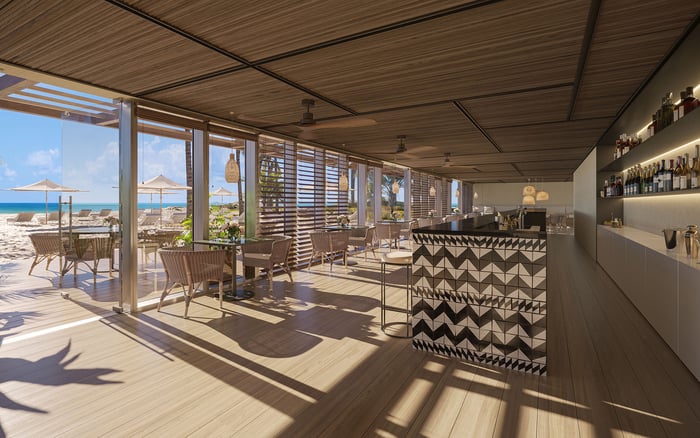
For a Barcelona buyer, the right Pompano Beach residence should support elegant hosting without compromising privacy. The evaluation should cover catering access, amenity rules, guest circulation, event approvals, security procedures, and separation between social and private rooms.
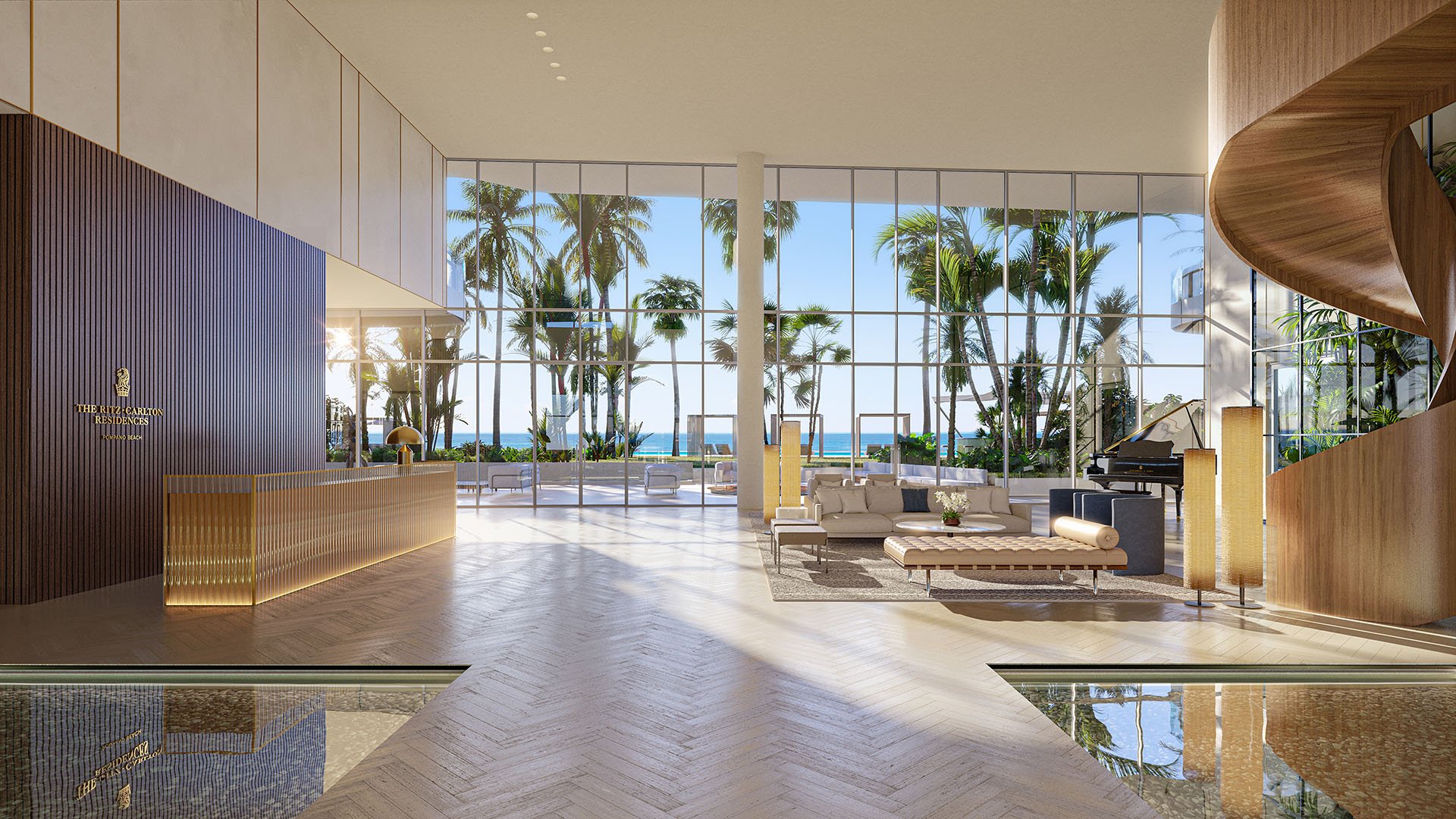
A move from Barcelona to Pompano Beach involves more than choosing a view or a design language. For an owner who expects to host collectors, advisers, designers, or friends during South Florida’s busiest cultural periods, the residence must work as both a private retreat and a controlled social setting. The buyer should consider arrivals, catering, service circulation, sound, parking, guest access, and the close of an evening alongside the principal living spaces.
The brief should define the owner’s most realistic gathering rather than an exceptional hypothetical. Useful details include the preferred style of service, the rooms guests may use, the desired degree of staff support, and whether the principal suite and other personal areas must remain isolated throughout the event. These requirements create a practical framework for comparing layouts, services, and governing documents.
The most elegant entertaining plan is one the residence and its rules can actually support.
Amenity imagery cannot establish how a gathering may operate. Before relying on a pool deck, lounge, private dining room, catering kitchen, terrace, or other shared space, a buyer should review the current documents governing its use. The review should identify applicable reservation procedures, food and beverage provisions, guest policies, vendor requirements, fees, deposits, operating hours, and approval processes.
The same diligence applies to entertaining inside the residence. Questions about balcony use, deliveries, music, alcohol service, staff access, elevator protection, waste removal, and post-event cleanup should be directed to the appropriate property representatives and verified against the documents available for the specific building.
Comparisons among Armani Casa Residences Pompano Beach, The Ritz-Carlton Residences® Pompano Beach, and other Pompano Beach residences should therefore extend beyond finishes and amenity presentations. A buyer can request the declaration, bylaws, current rules, reservation forms, fee schedules, guest policies, vendor standards, and relevant amendments for each candidate property.
A catering kitchen or reservable dining room may appear well suited to private hospitality, but the room itself is only one part of the evaluation. The buyer should map the proposed evening from the vendor’s arrival through final cleanup. This exercise can reveal whether the service route, preparation space, storage, elevators, loading arrangements, and waste procedures align with the owner’s expectations.
Written questions should address whether outside caterers are permitted, which entrances and elevators they may use, what documentation is required, where food can be prepared or staged, and how equipment may be delivered. The owner should also clarify rules concerning insurance, deposits, security personnel, alcohol, music, cleaning, reservation windows, cancellations, and responsibility for damage.
When reviewing W Pompano Beach Hotel & Residences or Waldorf Astoria Residences Pompano Beach, present management with a precise event scenario rather than asking whether entertaining is generally allowed. The response should explain how the proposed guest arrival, staffing, food service, amenity use, and departure would be handled under the documents and procedures then in effect.
A dinner among friends may raise different questions from a branded gathering, sponsor-backed reception, gallery collaboration, performance, or event involving outside promotion. The buyer should not assume that approval for one format covers another. The proposed host, purpose, vendors, entertainment, signage, guest list, and use of shared spaces should all be described when requesting guidance.
The appropriate association representatives, property management, Florida counsel, and relevant local authorities can help determine which documents, approvals, permits, or operating conditions apply to a particular concept. Written guidance is especially important when a gathering includes commercial participation, amplified sound, substantial equipment, third-party promotion, or activity extending beyond the residence.
This distinction protects the owner from building a purchase decision around an event format that has never been evaluated. It also creates a clearer record of what was asked, who responded, and which documents informed the answer.
Privacy during peak events is both architectural and operational. A strong plan allows guests to reach the living room, dining area, powder room, and approved outdoor space without passing bedrooms, dressing areas, an office, or private storage. Doors, corridors, vestibules, and acoustical separation can help preserve the residential wing while social spaces remain active.
Arrival control deserves equal attention. Buyers should examine where guests wait, how access is authorized, whether elevators can be directed appropriately, and how staff distinguish residents, invitees, and vendors. Parking, valet, lobby, and amenity procedures should be reviewed as parts of one continuous guest journey.
A residence at Ocean 580 Pompano Beach, like any candidate property, can be tested with a simple circulation map. Mark the routes for the host, guests, catering staff, deliveries, and cleanup teams, then note every point where those paths enter private territory or conflict with one another. This practical exercise can expose compromises that are not obvious in plans or renderings.
A residence that works on an ordinary evening may operate differently during a busy South Florida cultural week. The buyer should ask how far ahead shared rooms must be reserved, whether availability changes during high-demand periods, and how management coordinates deliveries, parking, security, and multiple resident requests.
The objective is not merely to secure a preferred date. It is to understand whether the building’s operating model can support the desired level of hospitality without creating friction for the owner, guests, staff, or neighbors. Where answers depend on management discretion, the buyer should identify who has authority and whether procedures can change.
The final review should connect the owner’s entertaining brief to the specific residence, current governing documents, and written property guidance. Florida counsel can identify which legal framework and documents apply to the property and explain how they affect the proposed use. Sales descriptions and informal conversations should not replace that property-specific review.
The file should address guest access, room reservations, peak-period scheduling, vendors, insurance, security, parking, music, alcohol, food preparation, cleanup, deposits, cancellation terms, and approval authority. It should also record which permissions are fixed by governing documents, which reflect current procedures, and which remain discretionary.
The most persuasive Pompano Beach purchase is not simply the home with the grandest social room. It is the residence whose layout protects private life, whose service path works under pressure, and whose documented framework aligns with the owner’s preferred style of hospitality.
For discreet help comparing Pompano Beach residences, governing documents, and entertaining priorities, consult MILLION.
If branded residences are on your mind — as a home or as an allocation — we would be glad to share what we are seeing, privately.
Begin a quiet conversationThey can explain how guest access, amenities, vendors, reservations, and entertaining are managed. The review should focus on the documents applicable to the specific property.
Confirm access routes, permitted work areas, insurance, deposits, security, alcohol, cleanup, deliveries, and reservation procedures in writing.
No. A buyer should still verify who may use it, how it can be reserved, and which operating requirements apply.
Map the event from vendor arrival through guest departure and final cleanup. This can reveal circulation, access, storage, and privacy conflicts.
Its commercial participants, promotion, vendors, signage, or entertainment may raise questions beyond those associated with a private dinner. The complete concept should be described when seeking guidance.
Look for distinct social and bedroom zones, convenient powder-room access, controlled entry points, and circulation that avoids personal areas.
Trace separate routes for guests, residents, catering staff, deliveries, and cleanup teams. Note where those routes overlap or enter private spaces.
Ask about reservation timing, shared-space availability, deliveries, parking, security, and management procedures during periods of high demand.
The buyer should consult the appropriate association representatives, property management, Florida counsel, and relevant local authorities as needed.
Include current governing documents, written property guidance, reservation materials, vendor requirements, fees, and answers addressing the buyer’s proposed entertaining format.