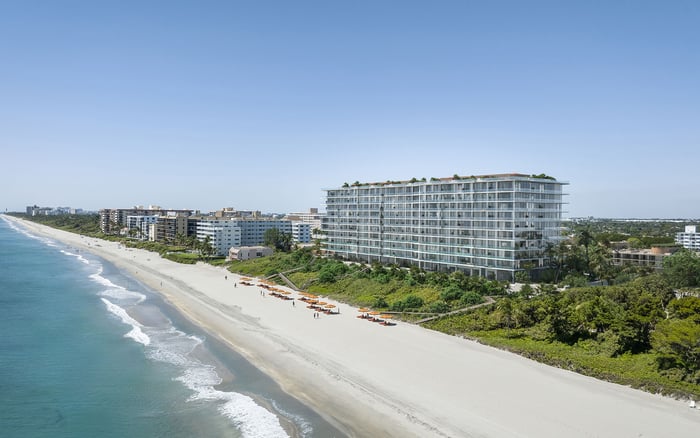
A buyer-focused guide to evaluating freight-elevator timing in Palm Beach residences, with emphasis on privacy, service circulation, renovation planning, seasonal rules, and resale perception.
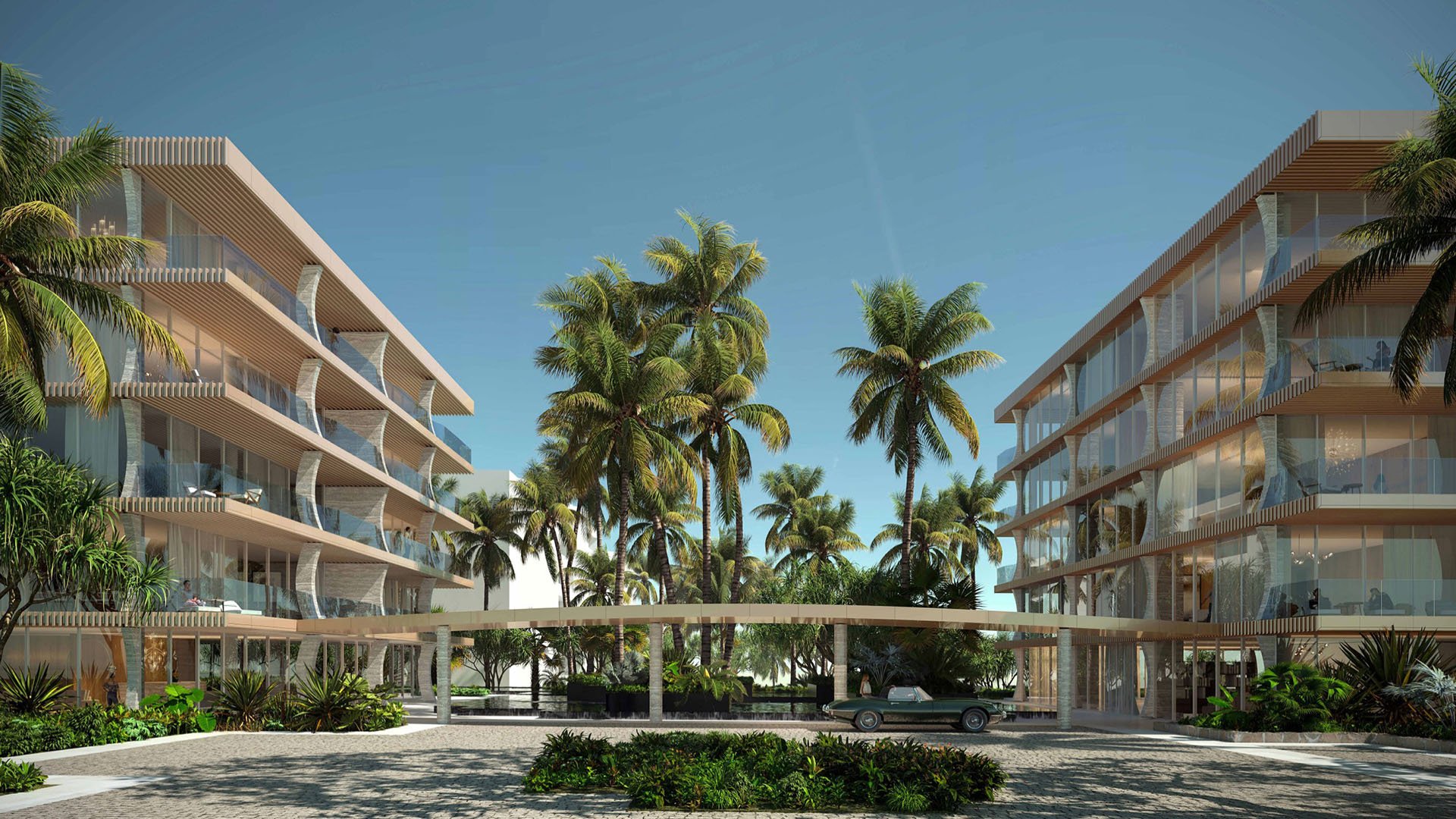
In Palm Beach Residences, the freight or service elevator is rarely the glamorous part of the tour. Yet for a discerning buyer, it can quietly determine how a residence lives after closing. It controls when movers arrive, when contractors can work, how furniture and art are handled, how staff circulate, and how often nonresidents appear in corridors owners expect to feel private.
For buyers accustomed to white-glove buildings in New York, London, Miami Beach, or other service-intensive markets, freight-elevator timing belongs in the same due-diligence conversation as views, ceiling heights, exposures, parking, and building financials. A residence can be beautifully finished and still feel operationally strained if every delivery, vendor visit, or renovation task must compete for one narrow service window.
Palm Beach makes this issue especially important because its luxury inventory is compact and nuanced. The island combines historic estates, low- to mid-rise oceanfront buildings, and fewer high-rise towers than larger South Florida markets. In practical search language, this is not only a Palm Beach question. It can shape oceanfront living, boutique building etiquette, new-construction expectations, second-home ownership, and resale strategy.
Freight-elevator rules typically define the hours and procedures for move-ins, move-outs, contractor access, furniture deliveries, staff movement, vendor visits, construction work, and fine-art handling. In a luxury residence, those categories are not occasional inconveniences. They are part of daily life, especially for owners who entertain, maintain multiple homes, or refresh interiors seasonally.
Timing also shapes the social experience of the building. If vendors, household staff, delivery teams, and contractors share visible resident corridors at busy times, the property may feel less composed. If service access is well scheduled and circulation is discreet, owners and guests experience a calmer arrival sequence. The best operational profile is not simply fast. It is predictable, discreet, and designed to minimize overlap between private residential life and back-of-house activity.
Before contract, buyers should request the building rules, seasonal work calendars, elevator reservation procedures, delivery windows, construction blackout dates, and move-in or move-out restrictions. The point is not to find a building with no rules. In Palm Beach, rules often protect the resident experience. The question is whether those rules align with the buyer’s lifestyle, renovation plans, household staffing, and ownership timeline.
Palm Beach’s seasonal rhythm can compress activity into peak winter months. Move-ins, redecorations, deliveries, vendor appointments, and household preparation may cluster when owners return for the season. A freight elevator that feels sufficient in a quiet month can become more contested when several residents need service access at the same time.
Some buildings may layer seasonal limits over standard policies, including restrictions on non-emergency work or noisy work during peak periods. For a buyer planning immediate renovations, this can be pivotal. A project that appears straightforward on paper may need to wait for permitted work windows, approved elevator reservations, and staff coordination. Even smaller tasks, such as replacing furnishings or installing artwork, can require advance planning if freight access is limited.
The practical question is timing risk. Can the owner receive large deliveries before guests arrive? Can designers install furnishings without disrupting the building? Can contractors complete approved work within the desired ownership schedule? For a seasonal resident, the value of a residence is partly determined by whether the building can be prepared quietly and efficiently before the owner is in town.
Older Palm Beach oceanfront co-ops and condominiums may have more modest service cores, sometimes with a single freight elevator serving many residences. That does not make a building undesirable. Many established buildings offer character, location, and social continuity that newer properties cannot replicate. But limited freight capacity can create scheduling bottlenecks when multiple owners need moves, deliveries, construction access, or staff circulation at once.
By contrast, newer ultra-luxury developments often place more emphasis on larger service elevators, separate service corridors, and back-of-house circulation. These design choices can reduce the visibility of vendors and construction traffic. They can also make renovation and household operations feel more seamless, particularly for buyers with extensive staff, art collections, or frequent furniture movement.
During a showing, it is reasonable to ask how service traffic enters the building, where deliveries are staged, whether service corridors are separate from resident corridors, and how the elevator is reserved. The answer may reveal more about daily life than a glossy amenity tour. A beautiful lobby is only part of the story. The unseen choreography behind it is what preserves the feeling of privacy.
Freight-elevator timing can influence resale because future buyers may value operational discretion and renovation flexibility alongside square footage, finishes, and views. A purchaser considering a significant redesign will want to know whether the building can accommodate contractors, material deliveries, and installation work without prolonged delays. A privacy-sensitive buyer will want to understand how visible nonresident traffic is during ordinary weeks and peak season.
This is where operational quality becomes part of value. Two residences with similar exposures can feel meaningfully different if one building offers more controlled service circulation and another has frequent overlap between owners, vendors, and deliveries. In a compact luxury market, subtle differences in building experience can affect buyer confidence, especially when established addresses are compared with newer service-forward properties.
The highest-friction profile is usually a building with limited freight capacity, strict seasonal restrictions, heavy renovation demand, and little separation between service and resident circulation. None of these factors is necessarily disqualifying on its own. Together, however, they can create delays, inconvenience, and a less discreet ownership experience.
Ask for the full house rules related to service elevator use, not just a verbal summary. Confirm standard delivery hours, move-in procedures, contractor access rules, insurance requirements, reservation lead times, and any deposits or fees tied to elevator use. Then ask how those rules change during peak season.
If renovation is likely, request the construction calendar and any blackout periods. Clarify whether noisy work is limited by season, weekday, or hour. Ask how many projects can proceed simultaneously and whether a board or management office controls the sequence. If art, antiques, or oversized furniture are part of the plan, verify elevator dimensions and staging procedures before assuming access will be simple.
Finally, interpret the answers through your own lifestyle. A full-time resident may care most about daily quiet and staff discretion. A seasonal owner may care about rapid preparation before arrival. A design-led buyer may prioritize renovation flexibility. A resale-focused investor may study whether future purchasers will see the building as easy to own, update, and service.
Why does freight-elevator timing matter in Palm Beach Residences? It affects privacy, delivery coordination, renovation convenience, staff movement, and how future buyers perceive building operations.
Is a strict freight-elevator policy a negative sign? Not necessarily. Strict rules can protect quiet enjoyment, but buyers should confirm that the rules fit their service, renovation, and seasonal needs.
What documents should a buyer request before contract? Ask for building rules, elevator reservation procedures, delivery windows, construction calendars, seasonal restrictions, and move-in or move-out policies.
How can freight timing affect privacy? Timing rules determine when vendors, movers, contractors, and staff circulate through the building and how visible that activity is to residents and guests.
Are older Palm Beach buildings more likely to have freight constraints? Some older oceanfront co-ops and condominiums may have modest service cores, including limited freight capacity, so the operating rules deserve close review.
Do newer luxury buildings usually handle service circulation differently? Newer ultra-luxury properties often emphasize larger service elevators, service corridors, and back-of-house circulation to reduce visible disruption.
Why is peak season important for elevator scheduling? Seasonal occupancy can compress moves, redecorations, deliveries, vendor visits, and household preparation into a shorter, more competitive window.
Can freight-elevator rules delay a renovation? Yes. Contractor hours, noisy-work limits, reservation availability, and seasonal blackout periods can materially affect a renovation timeline.
Should resale buyers care about service-elevator capacity? Yes. Future buyers may value discretion and renovation flexibility along with views, finishes, square footage, and building prestige.
What is the main red flag to watch for? The riskiest combination is limited freight capacity, strict seasonal limits, heavy renovation demand, and little separation between service and resident circulation.
To compare the best-fit options with clarity, connect with MILLION.
If branded residences are on your mind — as a home or as an allocation — we would be glad to share what we are seeing, privately.
Begin a quiet conversation