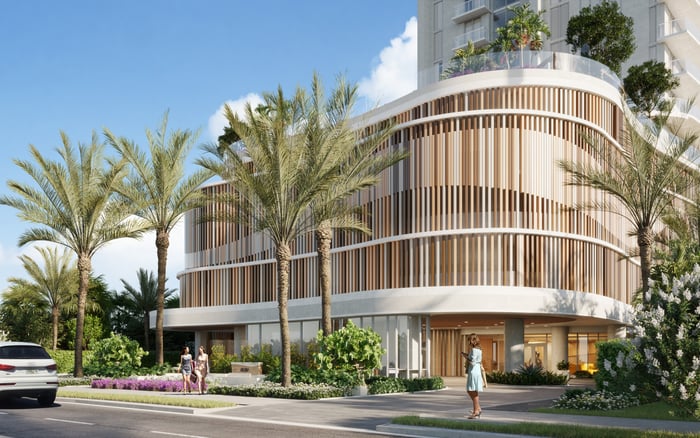
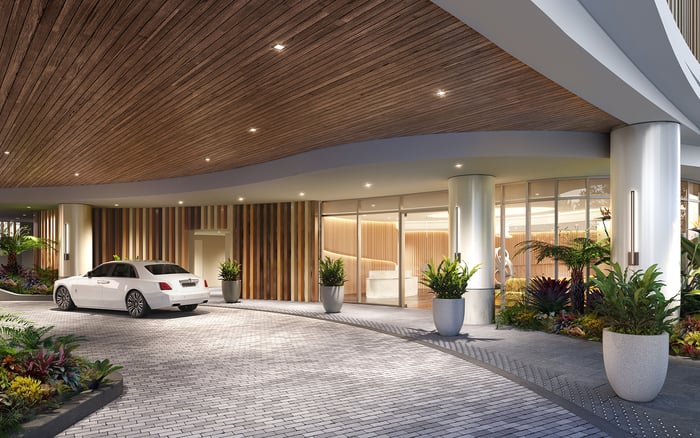
A practical guide to evaluating a South Florida seasonal residence during boat-show week, from location and marine access to operating rules and off-season care.
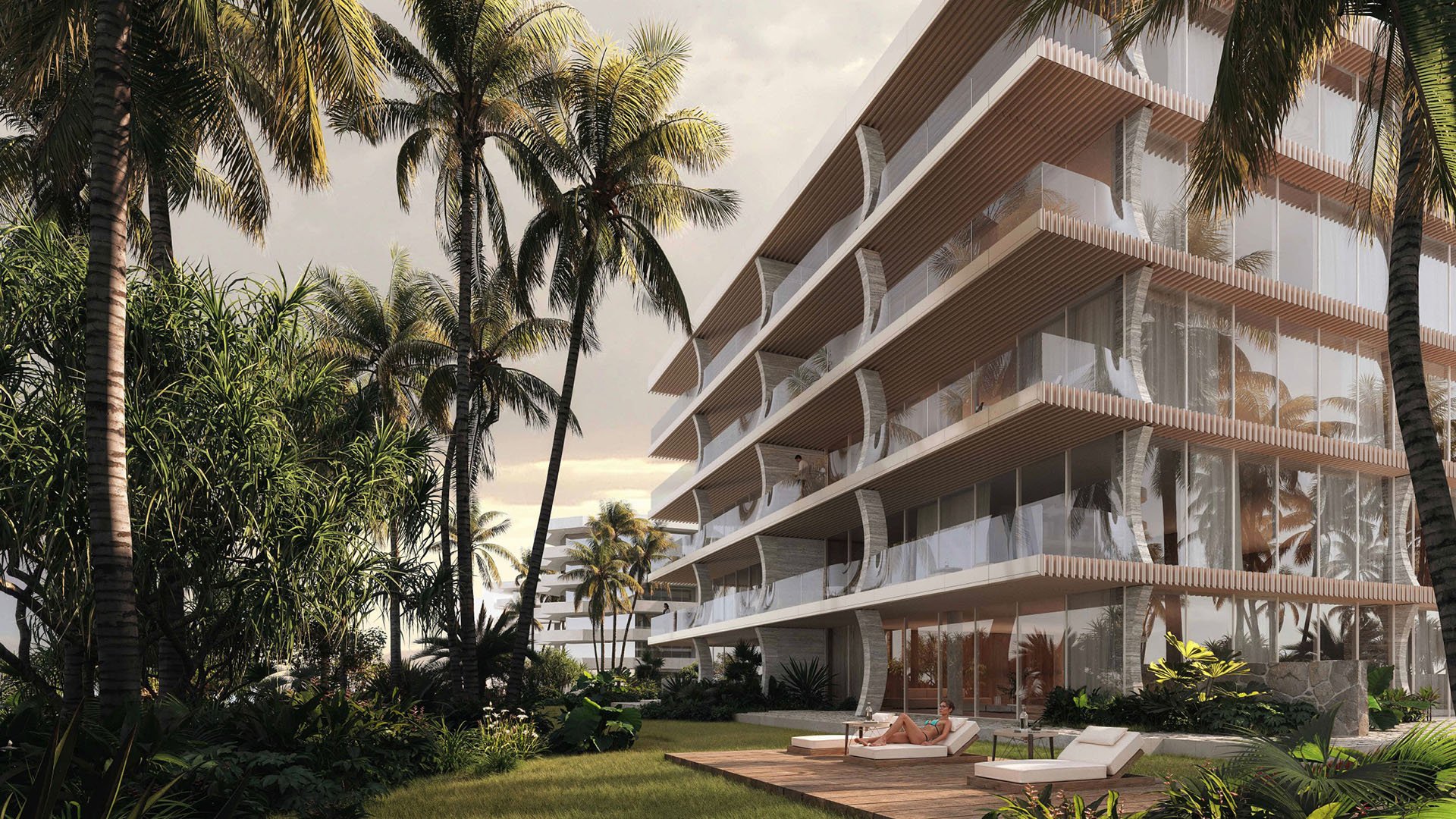
The Palm Beach International Boat Show brings the relationship between yachting and residential life into unusually sharp focus. For a prospective seasonal buyer, the most useful question is not simply which home impresses during a polished viewing, but how comfortably it would support an entire South Florida season.
A visit can reveal the rhythms that plans and photographs cannot: the time required to move between the residence, waterfront, dining, errands, and social commitments; the value of privacy after a full day out; and whether the property feels effortless when the area is active. Buyers should resist treating the occasion as an artificial deadline. Instead, use it as a concentrated lifestyle audit.
This is particularly important for a second-home purchase. A residence occupied for only part of the year must perform equally well when the owner is present and when the property is closed. The best choice is therefore not always the largest or most visibly elaborate, but often the home with the clearest operational plan.
Waterfront living can take very different forms. Some buyers want a residence near a preferred marina, while others prioritize ocean views, walkability, quiet streets, or easy access to the broader region. A marina-oriented buyer should map the complete journey from front door to vessel, including parking, transfers, guest arrivals, provisioning, and the return home after dark.
Do not assume that a water view creates practical boating convenience. Confirm whether dockage is included with the property, arranged separately, subject to availability, or irrelevant to the residence. Where a slip matters, its dimensions, access procedures, utilities, staffing, and applicable restrictions belong in formal due diligence.
Location comparisons can begin with residences such as Palm Beach Residences and extend across the water to Forté on Flagler West Palm Beach. The purpose is not to presume equivalence, but to understand how different settings shape the experience of a seasonal stay.
Palm Beach and West Palm Beach should be evaluated as distinct lifestyle propositions, even when both fit within the same seasonal plan. Rather than relying on broad impressions, outline a typical week. Include morning exercise, meals at home, shopping, boating days, entertaining, appointments, and airport transfers. Then test each prospective address against that schedule.
For buyers seeking a lock-and-leave condominium format, The Ritz-Carlton Residences® West Palm Beach may form part of the comparison set. Those exploring alternatives farther north can also review The Ritz-Carlton Residences® Palm Beach Gardens. Each should be assessed on its own documents, costs, policies, completion status, and suitability for the buyer's actual routine.
This is where lifestyle priorities become measurable. A beautiful terrace may matter more to one owner than immediate proximity to evening activity. Another may accept a longer drive in exchange for discretion, storage, or a preferred building format. The right answer is personal, but the comparison should remain disciplined.
Seasonal ownership places unusual demands on a home. The residence must open smoothly at the start of a stay, function predictably through periods of heavy use, and close securely when the owner departs. Buyers should investigate building management, owner services, package handling, guest procedures, maintenance coordination, parking, storage, pet rules, and vendor access.
Association documents deserve close review with qualified advisers. Focus on leasing provisions, approval processes, renovation rules, insurance obligations, reserves, assessments, and restrictions that could affect family, staff, guests, or vehicles. If a property is still being developed, distinguish among current commitments, proposed elements, and future expectations.
A buyer considering Mr. C Residences West Palm Beach, for example, should apply the same document-level scrutiny used for any other acquisition. Branding and presentation can frame an experience, but contractual rights, recurring expenses, management standards, and practical fit determine the quality of ownership.
Purchase price is only the opening figure. A useful annual budget should include association charges, property taxes, insurance, utilities, maintenance, housekeeping, management, vehicle care, storage, and any separately arranged boating costs. Buyers should also allow for repairs, interior refreshes, storm preparation, and unplanned travel.
Insurance requires early attention because property type, location, occupancy pattern, improvements, and personal contents can all affect the appropriate structure. Obtain professional guidance before the contractual timetable becomes compressed. The same principle applies to ownership entities, estate planning, financing, and tax questions. These are not closing-day details.
A well-prepared buyer also distinguishes personal enjoyment from investment assumptions. If rental income is part of the plan, confirm that applicable rules and documents support the intended use. Do not base a purchase on informal expectations about occupancy or returns.
Off-season care should be designed before closing. Establish who will inspect the residence, monitor climate systems, coordinate repairs, prepare for severe weather, manage deliveries, and document the property's condition. Clarify how quickly that person or team can respond and what authority they hold in an emergency.
The same plan should cover vehicles, artwork, wine, specialty finishes, outdoor furniture, and personal effects. For waterfront property, salt, humidity, sun exposure, and exterior conditions warrant a maintenance schedule tailored to the specific residence. Smart-home systems may assist with oversight, but they do not replace accountable local management.
Finally, conduct one arrival rehearsal and one departure rehearsal. Seasonal ownership feels luxurious when these transitions are quiet, repeatable, and largely invisible. That standard should guide the purchase more than the excitement of a single week.
Should I buy during boat-show week? Use the week to test locations and routines, but let diligence and negotiation set the pace.
Is a water view the same as boating access? No. Confirm dockage, access rights, procedures, restrictions, and availability separately.
What should seasonal buyers review first? Start with intended use, location, association documents, insurance, and annual operating costs.
Does a branded residence eliminate management work? Not necessarily. Verify the exact services, fees, owner responsibilities, and contractual terms.
How should I compare Palm Beach with West Palm Beach? Test each address against your weekly routine, privacy preferences, and transportation needs.
Can I rent the residence when I am away? Only if governing documents and applicable rules permit your intended rental pattern.
What belongs in an off-season care plan? Include inspections, climate monitoring, storm preparation, repairs, deliveries, and emergency authority.
When should insurance be evaluated? Begin early enough to understand coverage options and costs before contractual deadlines.
Should I prioritize amenities or location? Prioritize the combination you will use consistently, then verify its cost and operating implications.
Who should be on the buyer's advisory team? Consider qualified real estate, legal, tax, insurance, inspection, and property-management professionals.
If you'd like a private walkthrough and a curated shortlist, connect with MILLION.
If branded residences are on your mind — as a home or as an allocation — we would be glad to share what we are seeing, privately.
Begin a quiet conversation