A discreet buyer’s guide to treating parking as part of the luxury equation when evaluating The Brazilian Court Residences, The Chesterfield, and Palm Beach cultural-district living.
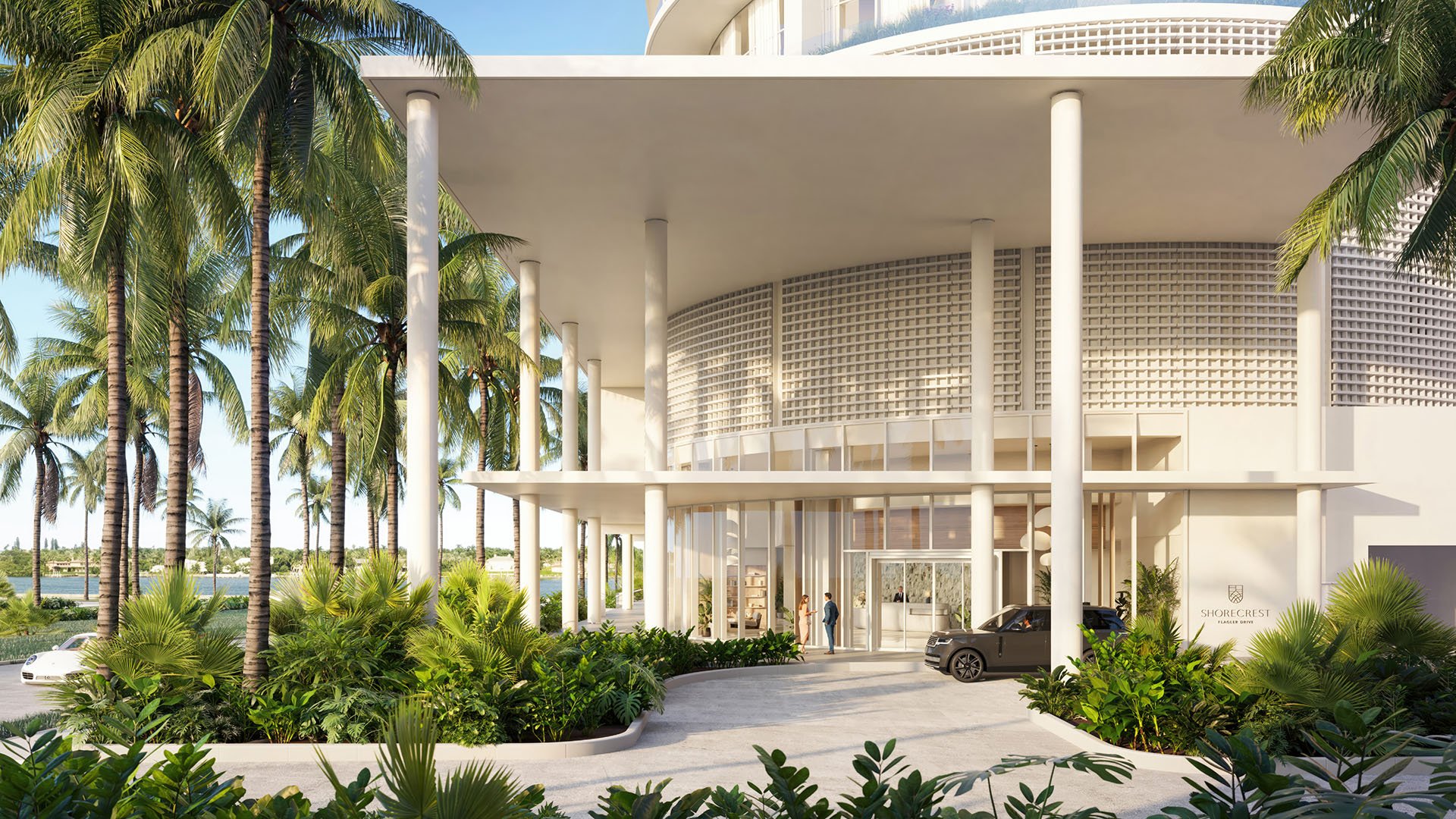
In Palm Beach, parking is rarely just a utility. For buyers considering the Cultural District, The Brazilian Court Residences, and The Chesterfield, it becomes part of a residence’s private rhythm: how one arrives, how guests are received, how a driver waits, and how gracefully a dinner or cultural evening begins and ends. The strongest purchase decisions treat parking not as a line item, but as a daily standard of ease.
This is especially true for buyers accustomed to doorman buildings, private garages, port-cochère arrivals, club parking, or valet service. Palm Beach can feel intimate, polished, and highly walkable, but that intimacy makes arrival logistics matter. A beautiful residence can lose some of its ease if the car sequence feels uncertain during a peak social hour.
The goal is not to overemphasize the automobile. It is to understand the hidden choreography behind discretion. In ultra-prime settings, luxury is often defined by what never needs to be explained.
The Brazilian Court Residences and The Chesterfield occupy a more personal Palm Beach conversation: elegant, service-minded, and closely tied to the area’s cultural and social cadence. For that reason, parking due diligence should be unusually specific. A buyer should not stop at asking whether parking exists. The sharper question is how parking performs under the conditions in which the owner will actually live.
That means examining arrival at several moments: a weekday morning, a late afternoon, a dinner hour, and an evening when the surrounding district is active. A residence may feel effortless at noon and more complicated after sunset. For seasonal residents, the test is even more precise, because the period of highest enjoyment often overlaps with the period of greatest local demand.
The Chesterfield comparison also invites a more hospitality-oriented lens. Buyers should consider the difference between personal parking, guest arrival, valet expectations, and hired-car coordination. If a residence is intended for entertaining, the owner’s convenience is only half the equation. The comfort of guests, family, visiting advisers, and drivers may be equally important.
The first question is access control. How is the parking area reached, who manages it, and what is the resident’s route from car to residence? The second question is guest protocol. A polished property should make it clear how a visitor is received without requiring the owner to improvise.
The third question is the storage of time: the quiet luxury of not waiting. If valet is involved, buyers should understand how peak periods are handled. If self-parking is involved, they should assess the convenience of the walking path, lighting, weather exposure, and privacy. If a driver is part of the lifestyle, the residence should support that pattern without making it feel conspicuous.
The fourth question is resale. Parking is not always discussed with the same emotion as architecture, gardens, terraces, or interiors, but it can influence a future buyer’s perception of ease. In a market where many clients own multiple homes and expect frictionless arrival, parking can become a meaningful differentiator.
A cultural district has a particular rhythm. It is not simply residential, and it is not purely commercial. It may include quiet mornings, appointment-driven afternoons, and evenings that concentrate activity into narrow windows. Buyers who want proximity to this energy should embrace the lifestyle while protecting the private calm of home.
For The Brazilian Court Residences, the parking evaluation should be tied to the owner’s actual calendar. Will the home be used during the social season? Will the owner attend evening events frequently? Will family visit for long weekends? Will the residence function as a base for dinners, openings, or charity events? Each scenario changes what “good parking” means.
For The Chesterfield, the same thinking applies, with added emphasis on hospitality. If the residence is part of a broader social routine, the arrival sequence should feel gracious from curb to door. The most refined properties make that grace feel almost invisible.
Many buyers exploring Palm Beach also keep a parallel West Palm Beach lens, especially when comparing newer residential formats, different parking systems, and a more vertical urban context. This does not mean one location is better. It means the parking experience can be structurally different, and that difference should be priced into the decision.
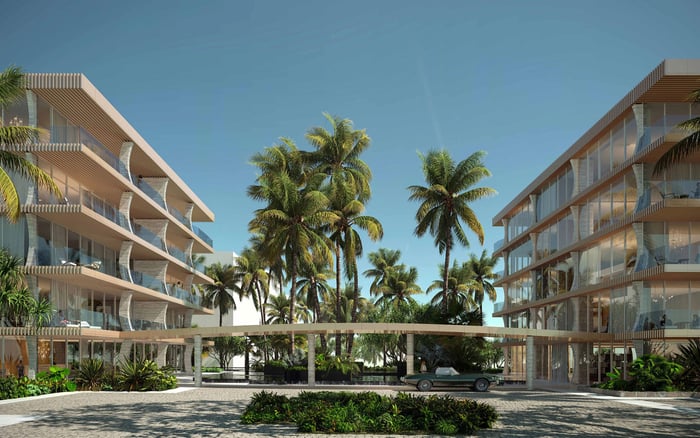
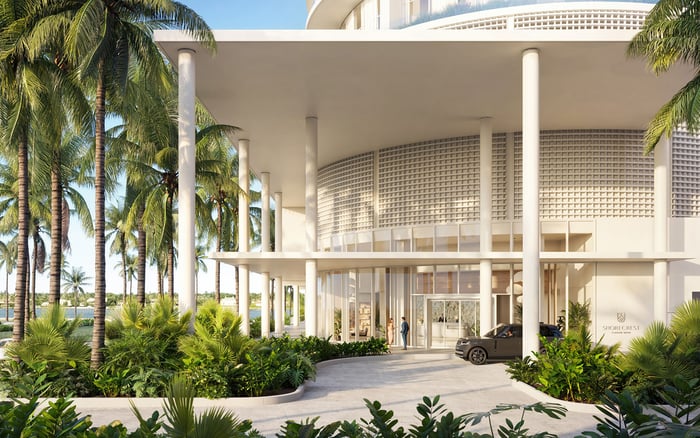
A Palm Beach buyer may also keep search references such as Alba West Palm Beach, Forté on Flagler West Palm Beach, Mr. C Residences West Palm Beach, and Shorecrest Flagler Drive West Palm Beach in a separate comparison set. Those names can help organize a conversation about lifestyle categories: boutique intimacy, waterfront adjacency, service programming, or newer-building convenience. The important point is to avoid comparing only finishes and views. Parking and arrival belong in the same matrix.
In West Palm Beach, buyers may be more likely to evaluate garage design, elevator access, valet operations, and building-scale circulation. In Palm Beach, the evaluation may become more nuanced around street presence, guest drop-off, and neighborhood tempo. A disciplined buyer studies both with equal seriousness.
Before making an offer, buyers should request a plain-language explanation of parking rights, procedures, and limitations. If the residence includes assigned parking, confirm how it is identified and transferred. If parking is serviced, understand hours, staffing expectations, and peak-period behavior. If guest parking is informal, ask how that reality feels in practice.
The most useful showing is not always the prettiest showing. A serious buyer should visit when the area is active, then watch the arrival experience with the same attention given to ceiling heights or millwork. Is the sequence calm? Is there a natural place to pause? Does the property feel private when other people are moving through the district? Is there a dignified answer for a guest who arrives early?
For a luxury buyer, these questions are not fussy. They are practical. Parking is one of the few features that touches every departure and every return.
The Brazilian Court Residences and The Chesterfield belong in a conversation where mood, heritage, service, and proximity are central. Yet the most elegant decision will still be operationally exact. Parking should be inspected like architecture: with attention to proportion, sequence, privacy, and daily grace.
The best Palm Beach residence is not merely beautiful when empty. It performs beautifully when life is in motion.
Why does parking matter so much in Palm Beach’s Cultural District? Because the district’s appeal often includes dining, events, visits, and evening movement. Parking quality shapes how effortless that lifestyle feels.
Should buyers evaluate parking before or after selecting a residence? Parking should be evaluated early. It can affect daily comfort, guest experience, and long-term resale perception.
What should I ask about The Brazilian Court Residences parking? Ask how resident arrival, guest arrival, valet or self-parking, and peak-period access are handled. The details should match your actual use pattern.
What should I ask when comparing The Chesterfield? Focus on the guest experience, driver coordination, and evening arrival sequence. Hospitality-style ease can be central to the appeal.
Is valet always preferable to self-parking? Not always. Some buyers prefer valet convenience, while others value control, speed, and direct access to their vehicle.
How should seasonal residents think about parking? They should test the experience during active periods, not only quiet hours. Seasonal use often coincides with the busiest local rhythm.
Does parking influence resale value? It can influence buyer confidence and perceived convenience. In luxury markets, frictionless arrival is often part of the premium.
Should Palm Beach buyers compare West Palm Beach buildings? Yes, if they want a broader view of parking formats and building operations. The comparison can clarify which lifestyle tradeoffs matter most.
What is the biggest mistake buyers make with parking? They ask whether parking exists, but not how it works. The procedure is often more important than the headline answer.
What is the best way to shortlist comparable options for touring? Start with location fit, delivery status, and daily lifestyle priorities, then compare stacks and elevations to validate views and privacy.
If you'd like a private walkthrough and a curated shortlist, connect with MILLION.
If branded residences are on your mind — as a home or as an allocation — we would be glad to share what we are seeing, privately.
Begin a quiet conversation