A discreet buyer’s guide to evaluating wellness and retail proximity around Palazzo della Luna, with practical questions for privacy, access, service quality, and long-term lifestyle fit.
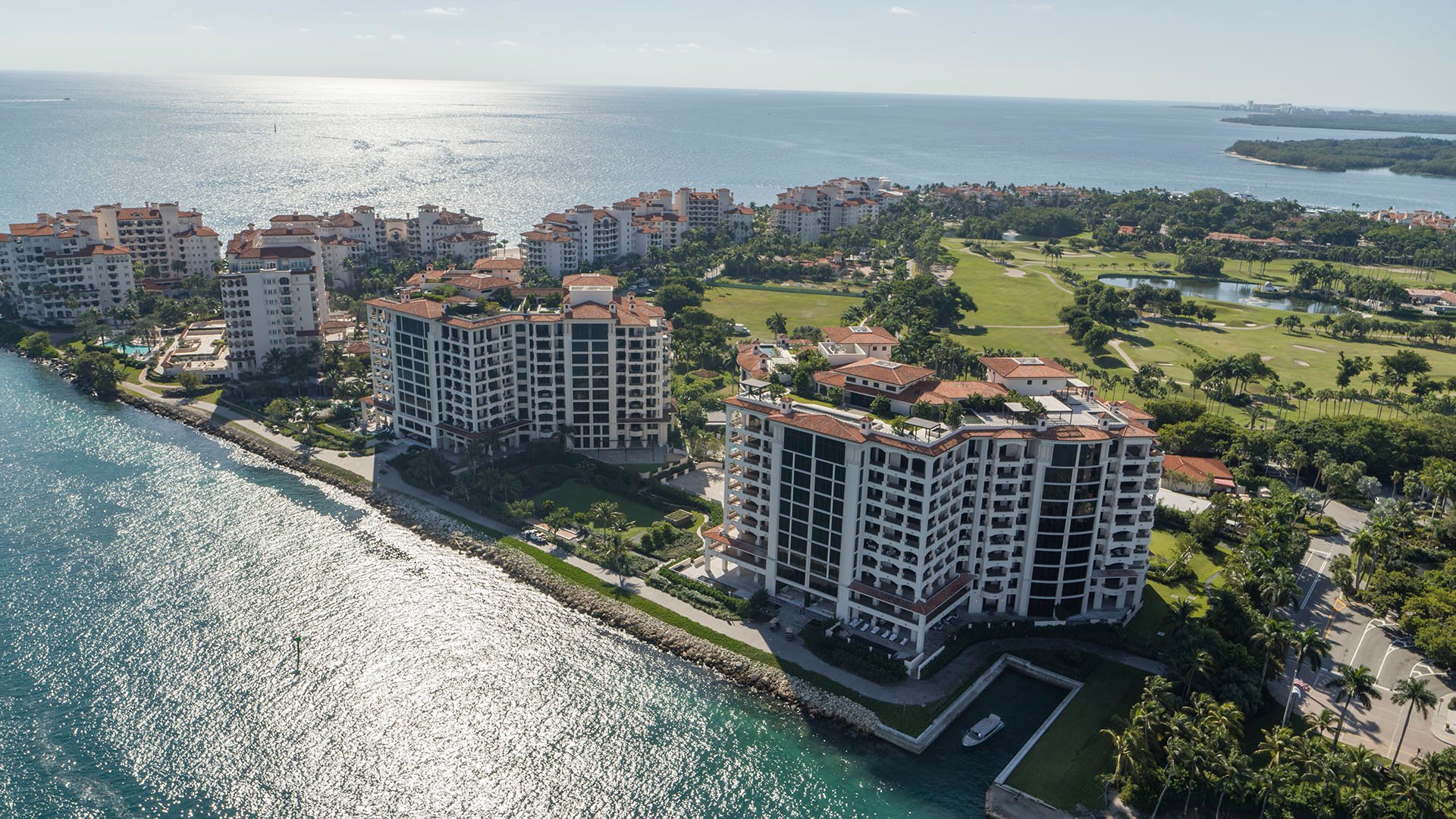
For buyers considering Palazzo della Luna, wellness-retail proximity is not simply a matter of what is nearby. At the highest tier of South Florida residential decision-making, proximity is measured by how gracefully it supports daily life. The right wellness and retail ecosystem should make life easier without making it busier, more exposed, or dependent on a single trend.
That distinction is essential. A luxury residence can be surrounded by conveniences and still feel compromised if the route to them is inconvenient, the access is too public, or the experience falls short of the discretion owners expect. Conversely, a quieter setting can perform beautifully when wellness, dining, essential services, and curated retail are reachable through predictable planning and thoughtful routines.
The most sophisticated buyers treat proximity as lifestyle infrastructure. They ask how often each nearby service will be used, who else uses it, how access is managed, and whether the experience improves daily life over time. In that sense, wellness-retail proximity becomes less about a map and more about friction, privacy, and repeatability.
“Wellness” is often used broadly, so buyers should define it before evaluating proximity. For one household, wellness may mean a serious fitness routine, private training, recovery therapies, and regular spa treatments. For another, it may mean quiet walking, waterfront air, healthy dining, or an environment that supports sleep, security, and mental reset.
At Palazzo della Luna, the buyer should resist treating wellness as a single amenity category. Instead, build a personal wellness calendar. How many times per week would you use a trainer, spa, salon, physician, nutrition service, pilates studio, yoga practice, or recovery treatment? Which of those must be immediate, and which can be planned?
This exercise often reveals that the most valuable wellness proximity is not the most visible. A private, reliable appointment that can be reached without stress may matter more than a fashionable venue that requires complicated timing. The clearest question is simple: will this wellness ecosystem still feel effortless on a Tuesday morning, during peak season, or after a long flight?
Retail near an ultra-luxury residence should serve the owner, not become the owner’s atmosphere. Buyers should distinguish between essential retail, destination retail, and social retail. Essential retail supports daily life, including personal care, prepared foods, florals, pharmacy needs, tailoring, and service errands. Destination retail is occasional and experience-driven. Social retail adds visibility, energy, and sometimes crowd patterns.
The buyer’s task is to determine which category matters most. A residence does not need every retail use at its doorstep to feel convenient. It needs the right retail uses to be accessible in a way that protects the owner’s time and privacy. That means asking how deliveries are handled, whether staff can coordinate recurring needs, and whether retail access creates unnecessary interaction with public traffic.
For many ultra-prime households, the most prized retail proximity is invisible. It is the ability to have essentials anticipated, arranged, and delivered smoothly. A buyer should therefore ask not only what is nearby, but how the building, household staff, and surrounding service network can turn proximity into a quiet daily advantage.
In luxury real estate, five minutes is not always five minutes. The value of proximity depends on the predictability of the route, the transition from private space to public space, and the number of decision points along the way. A nearby wellness appointment can feel distant if it involves coordination challenges, waiting, exposure, or inconsistent service.
Buyers should test the routine rather than assume it. If fitness, spa, salon, medical wellness, dining, or retail errands are central to the decision, ask how those trips work at different times of day and in different seasons. Consider whether the same route works for family members, guests, household staff, and security needs.
This is where the buyer’s written search brief becomes valuable. A brief may include priorities such as Palazzo della Luna Fisher Island, privacy, beach access, pool amenities, and resale, but the legal and lifestyle review should translate each term into verifiable expectations. Words that sound compelling in a search should be tested against real patterns of use.
Privacy is often discussed as a security feature, but it is also a wellness feature. A residence that reduces social friction, unnecessary exposure, and unpredictable interaction contributes to a calmer life. That matters in a market where buyers are often balancing travel, family, work, entertaining, philanthropy, and personal recovery.
When evaluating wellness-retail proximity, ask where privacy begins and ends. Does the journey to wellness services feel discreet? Can appointments be handled without turning the day into a public outing? Are guests, staff, and family members able to move comfortably without compromising the household’s preferred rhythm?
Retail can enhance privacy when it reduces the need for extended errands. It can undermine privacy when convenience brings too much outside energy too close to home. The ideal is balance: access to what improves life, distance from what interrupts it.
The presence of wellness or retail options is less important than their consistency. Ultra-prime buyers should ask whether the relevant providers can deliver at the standard expected by the household. That includes scheduling flexibility, discretion, cleanliness, personalization, staff continuity, and the ability to coordinate around travel or special events.
A buyer might ask: Can preferred providers come to the residence if desired? Are recurring services easy to schedule? Can wellness routines be maintained during holidays or peak periods? Are there backup options if a preferred specialist is unavailable? Does the surrounding ecosystem support children, guests, older family members, or owners with demanding travel calendars?
These questions move the evaluation from “what is close” to “what is dependable.” Dependability is what turns proximity into value.
Wellness-retail proximity can influence future buyer perception, but not every convenience ages equally. Trend-led concepts may attract attention for a season, while fundamentals tend to hold value longer. Privacy, access, service quality, health-oriented routines, dining convenience, and daily essentials are more durable than any single branded offering.
For resale, buyers should ask whether the location supports multiple lifestyles. A future purchaser may not share the same trainer, spa preference, or retail habits, but almost every luxury buyer understands the appeal of effortless access, low friction, and a calm residential experience. The more broadly useful the proximity, the more resilient its value proposition may be.
The strongest positioning is not necessarily “close to everything.” It is “close to the right things, without sacrificing the residential experience.” That is the standard buyers should apply at Palazzo della Luna.
Before a showing, write down the household’s top five weekly routines. Include wellness, food, errands, appointments, guest needs, and family logistics. Then evaluate the residence against those routines, not against abstract prestige.
Ask how wellness services are accessed, whether in-residence services are practical, how deliveries are received, how staff coordination works, and how guest movement is handled. Ask which conveniences are genuinely repeatable and which require special planning. Ask whether the lifestyle feels equally strong for a full-time owner, a seasonal owner, and a second-home buyer.
Most importantly, ask what you would still value if the surrounding retail mix changed. If the answer is privacy, calm, service, access, and architectural comfort, the decision is more grounded. If the answer depends too heavily on one nearby venue, the buyer should be cautious.
Palazzo della Luna should be evaluated through the lens of lived elegance. Wellness-retail proximity is meaningful when it protects time, supports health, and preserves the private character of ownership. It is less meaningful when it adds noise, complexity, or reliance on services that may not remain aligned with the household’s expectations.
For the discerning buyer, the right questions are practical and personal. What will I use weekly? What can be delegated? What must remain discreet? What improves my family’s rhythm? What still feels valuable in five years? The answers will reveal whether proximity is a luxury, a distraction, or a durable advantage.
Why should buyers focus on wellness-retail proximity at Palazzo della Luna? Because proximity affects daily ease, privacy, and long-term satisfaction. The value lies in how well nearby services support the owner’s actual routine.
Is being close to retail always a benefit? Not always. Retail is most valuable when it adds convenience without increasing noise, exposure, or logistical friction.
What wellness questions should a buyer ask first? Start with frequency and necessity. Ask which wellness services you will use weekly and which can be scheduled less often.
How does privacy affect wellness? Privacy reduces stress and supports recovery, rest, and discretion. For many luxury buyers, that is a core part of wellness.
Should buyers test access at different times? Yes. A route or service can feel very different during peak periods, guest arrivals, or heavily scheduled days.
What retail services matter most for daily life? Essential services such as personal care, prepared foods, tailoring, florals, and recurring errands often matter more than occasional destination shopping.
Can in-residence services change the proximity equation? Yes. If trusted providers can come to the residence, the need for immediate external proximity may be reduced.
How should second-home buyers think about this topic? They should prioritize repeatable ease. A second home should feel simple to activate after travel and effortless to close between visits.
Does wellness-retail proximity affect resale appeal? It can, especially when the convenience is broad, durable, and privacy-conscious. Overly trend-dependent appeal may be less resilient.
What is the best overall question to ask? Ask whether nearby wellness and retail options make life calmer, healthier, and easier without compromising the private residential experience.
For a confidential assessment and a building-by-building shortlist, connect with MILLION.
If branded residences are on your mind — as a home or as an allocation — we would be glad to share what we are seeing, privately.
Begin a quiet conversation