A hurricane-season closing calls for more than a policy certificate. Coordinate ownership and borrower details, confirm flood coverage effective dates, and examine contents and displacement protection before taking title.
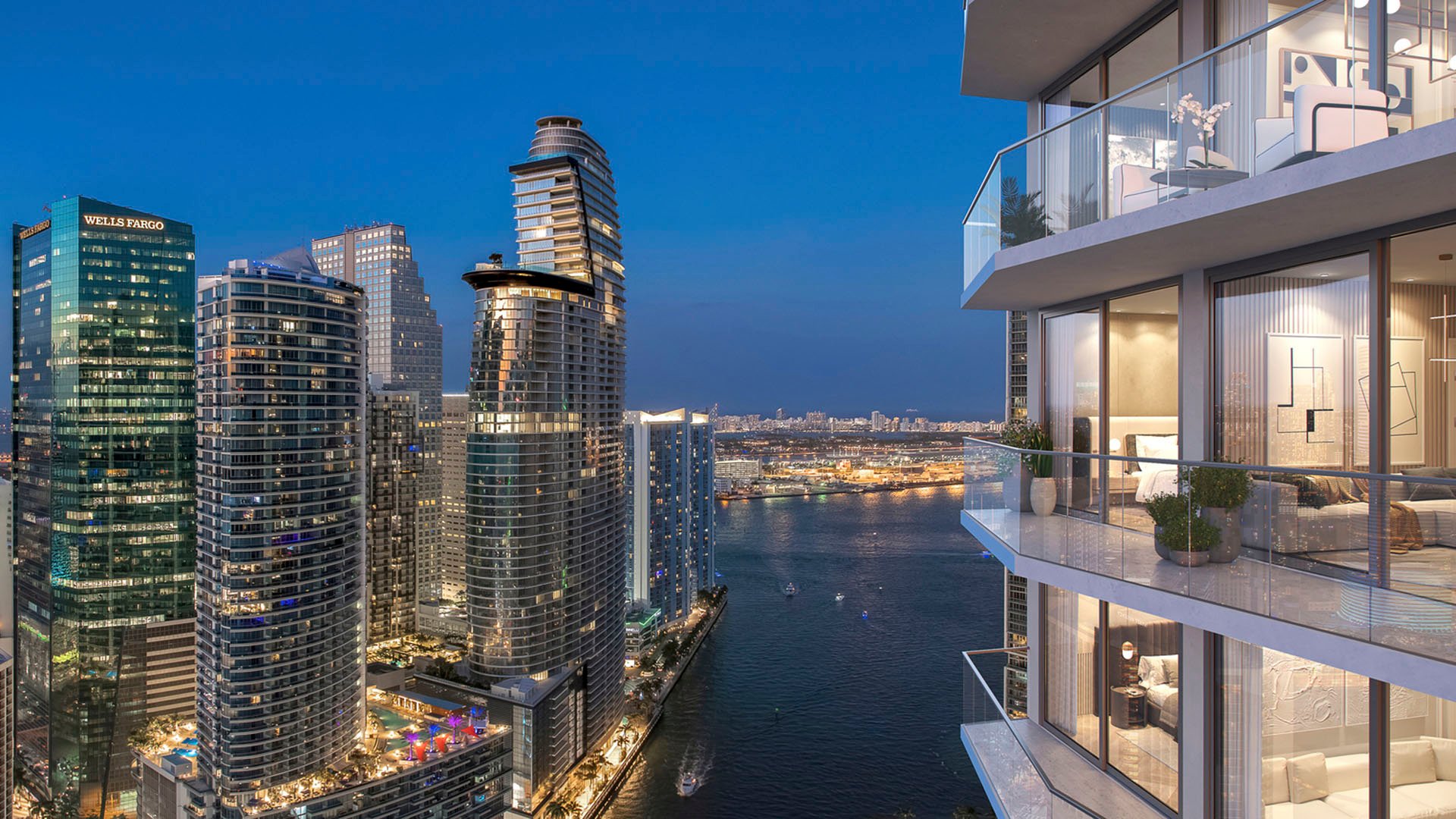
A South Florida residence deserves an insurance plan as carefully considered as its acquisition. During hurricane season, the question is not simply whether flood insurance has been purchased. It is whether the right coverage, for the right ownership arrangement, will be effective when the buyer takes title.
For a buyer considering Una Residences Brickell, the review should connect title, financing and insurance rather than treat them as separate closing tasks. This is not a statement about the project's insurance arrangements; it is a discipline for the buyer's own transaction.
Ask counsel, the lender and the insurance adviser to review the proposed titleholder, borrower, named insured, property description and effective dates together. If an LLC or trust is contemplated, confirm how it should appear in the coverage documents. Neither structure is inherently preferable for flood protection. Resolve any naming discrepancy rather than assuming it determines eligibility for a waiting-period exception.
Most new National Flood Insurance Program policies carry a 30-day waiting period. For a cash purchase, closing alone does not create an exception. Unless another exception applies, purchasing coverage shortly before settlement may leave the buyer without flood protection at possession.
A qualifying loan transaction can produce a different result. Insurance purchased in connection with making, increasing, extending or renewing a loan generally qualifies for a waiting-period exception, subject to application and payment requirements. A qualifying financed purchase can therefore have NFIP coverage effective at closing.
The distinction matters, but the exception is not automatic. Obtain written confirmation of eligibility and the effective date from the insurance professional handling the policy. Confirm the applicable procedural requirements before closing. Do not rely on a post-closing correction to deliver closing-day protection.
If financing, ownership or the settlement date changes, notify the insurance adviser promptly. The objective is a documented effective date-not an assumption that a mortgage or paid premium settles the question.
For a typical one-to-four-family residential property, NFIP offers up to $250,000 in building coverage and $100,000 in contents coverage. These limits do not describe every condominium insurance arrangement. Identify the applicable policy form before applying them to a particular residence.
In luxury transactions, compare rebuilding and contents coverage needs with available limits. Purchase price is no substitute for that assessment: the amount paid for a property and the amount needed to insure covered physical losses answer different questions.
Florida's private flood market can provide primary coverage or excess coverage above an underlying flood policy. NFIP plus excess is one possible arrangement, not the only one. Licensed insurers may offer private flood coverage as a stand-alone policy or an endorsement to residential property insurance, with different coverage designs.
For a Miami Beach buyer evaluating The Perigon Miami Beach, the useful comparison is between actual policy terms, not simply federal and private labels. Request written building and contents limits, valuation provisions, deductibles, waiting periods and exclusions. If excess coverage is proposed, confirm its attachment requirements and effective date alongside those of the underlying policy.
Private flood insurers may offer shorter waiting periods than NFIP, but neither a particular waiting period nor a closing exception should be presumed. Both depend on the insurer and the applicable coverage.
Separately, Florida property insurers may suspend new coverage or changes as a storm approaches. Arrange homeowners and wind coverage before the relevant carrier's binding restriction begins. Ask the private flood insurer which restrictions apply to its own product.
NFIP does not impose the same storm-specific binding moratoriums as private property insurers. Its waiting period nevertheless prevents it from serving as an automatic last-minute solution. A policy available for purchase does not necessarily provide immediate protection.
Keep the two timing questions distinct: can the insurer issue or change coverage now, and when will that coverage become effective? Both answers belong in the closing review.
NFIP building coverage includes eligible flood damage to foundations, electrical and plumbing systems, central air-conditioning equipment and permanently installed fixtures. It does not automatically insure furniture or other belongings. Contents coverage must be purchased separately.
That distinction deserves attention when acquiring and furnishing a residence such as Four Seasons Residences Coconut Grove. Review the planned contents with the adviser rather than treating the building limit as protection for everything inside.
Ask how replacement-cost and actual-cash-value provisions apply to each coverage category. Confirm deductibles and any restrictions affecting particular belongings instead of relying on a headline contents limit.
Placement matters, too. NFIP sharply limits coverage in basements and certain areas below elevated buildings. Review where equipment and stored belongings will sit, and ask which items are eligible for coverage in those locations. An inventory is more useful when it records location as well as value.
NFIP excludes additional living expenses, including temporary housing while a flood-damaged home is repaired. Its protection addresses direct physical flood loss-not loss of use, revenue, profits or access to the property.
Standard homeowners insurance generally excludes flood, so its loss-of-use provision does not automatically pay for flood-related displacement. Additional living expense coverage may respond when a covered event, such as fire or covered wind damage, makes the residence uninhabitable. The cause of loss matters.
For a seasonal buyer considering Alba West Palm Beach, ask explicitly whether a proposed private flood policy includes flood-related additional living expenses. Temporary housing is not a standard benefit across all private flood policies.
If that benefit is offered, review its trigger, dollar limit, duration, exclusions and application to the intended occupancy. Otherwise, plan for displacement costs outside the policy rather than taking reassurance from a general loss-of-use heading.
Before settlement, bring the coverage documents together for one coordinated review. Confirm the titleholder and named insured, lender requirements, effective dates, payment status, building and contents limits, and any excess-policy attachment conditions. Record which policy, if any, addresses flood-related temporary housing.
The goal is clarity: what is covered, when protection begins and which expenses remain the owner's responsibility. Resolve those questions while there is still time to act, rather than allowing the closing timetable to answer them by default.
For a considered approach to your next South Florida residence, explore MILLION.
If branded residences are on your mind — as a home or as an allocation — we would be glad to share what we are seeing, privately.
Begin a quiet conversationMost new NFIP policies have a 30-day waiting period before coverage takes effect. An applicable exception can change that timing.
A qualifying financed purchase can have coverage effective at closing, subject to application and payment requirements. Obtain written confirmation rather than assuming the loan-related exception applies.
No. A cash closing does not itself qualify for the loan-related exception, so the standard wait generally applies unless another exception is available.
Neither is inherently preferable based on the coverage considerations discussed here. Have counsel and the insurance adviser coordinate the titleholder, borrower and named insured before closing.
For a typical one-to-four-family residential property, NFIP offers up to $250,000 in building coverage and $100,000 in contents coverage. Confirm the applicable form before applying those figures to a condominium arrangement.
No. Furniture and other belongings require separate contents coverage, subject to the policy's terms and restrictions.
Private flood insurance can serve as primary coverage or as excess protection above an underlying flood policy. Compare the actual terms and confirm lender requirements before selecting an arrangement.
Florida property insurers may suspend new coverage or changes as a storm approaches. NFIP does not impose the same storm-specific moratoriums, but its waiting period can still delay protection.
No. NFIP excludes additional living expenses, including temporary housing, and does not cover loss of use or revenue.
Confirm that the policy actually includes flood-related additional living expenses, then review the trigger, limits, duration, exclusions and occupancy terms. Do not assume that every private flood policy provides this benefit.