At Shoma Bay, after-closing protection depends on more than the handover date. Buyers should distinguish statutory unit coverage from personal-property warranties, document the relevant start dates, and confirm written terms for appliances, millwork, and fixtures.
A beautifully finished residence deserves an equally considered ownership file. At Shoma Bay North Bay Village, the essential warranty question is not simply whether an appliance or finish is covered. It is which protection applies, when coverage began, and what documentation will support a request after closing.
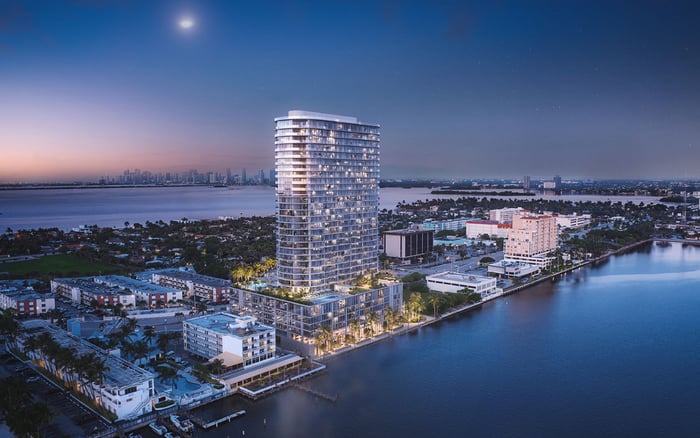
Shoma Bay is a Shoma Group condominium development with 333 residences in a 24-story tower at 1850 John F. Kennedy Causeway. For buyers evaluating its interiors, the practical distinction is between the residence itself, personal property conveyed with it, and qualifying building systems. Those categories do not share a single warranty timetable.
Closing is a handover event, not a universal warranty reset. Assuming every cabinet, fitting, and appliance comes with three fresh years of protection can leave an owner relying on the wrong calendar.
Florida’s condominium warranty framework establishes implied developer warranties of fitness and merchantability for condominium units and specified property and building components. Under the 2024 statutory framework discussed here, the unit warranty runs for three years from completion of the building containing the unit-not from the buyer’s closing.
Other improvements for unit owners’ use generally carry a three-year developer warranty beginning at their own completion. Personal property transferred with or appurtenant to a unit follows a different rule: the developer’s implied warranty lasts for the same period provided by the manufacturer and begins at closing or possession, whichever occurs first.
That distinction matters when comparing purchase opportunities. A buyer also considering Continuum Club & Residences North Bay Village should request a separate chronology and warranty package for each residence rather than assume identical protection across projects.
These periods are not a complete statement of claim-filing deadlines. Before relying on them in a dispute, have Florida condominium counsel confirm current law, applicable notice obligations, and limitation or repose deadlines.
For an appliance qualifying as conveyed personal property, the manufacturer-provided duration determines the length of the developer’s implied personal-property warranty. The appliance does not automatically inherit the unit’s three-year period simply because it sits inside the residence.
The closing-or-possession rule governs that developer obligation. It does not establish that a manufacturer’s separate written warranty restarts on the same date. Keep the two protections distinct in the ownership file.
Request the model and serial number of each delivered appliance, its warranty booklet, and the written service procedure. Ask who should receive the initial claim and which documents are required. Confirm any registration obligations rather than treating registration as a universal condition.
Then examine the potential costs of a service visit. Do the terms address parts, labor, diagnosis, removal, and reinstallation? What exclusions apply? The answers belong in the written terms; they are not benefits to presume from an appliance’s price or presentation. Neither repair nor replacement should be promised without that review.
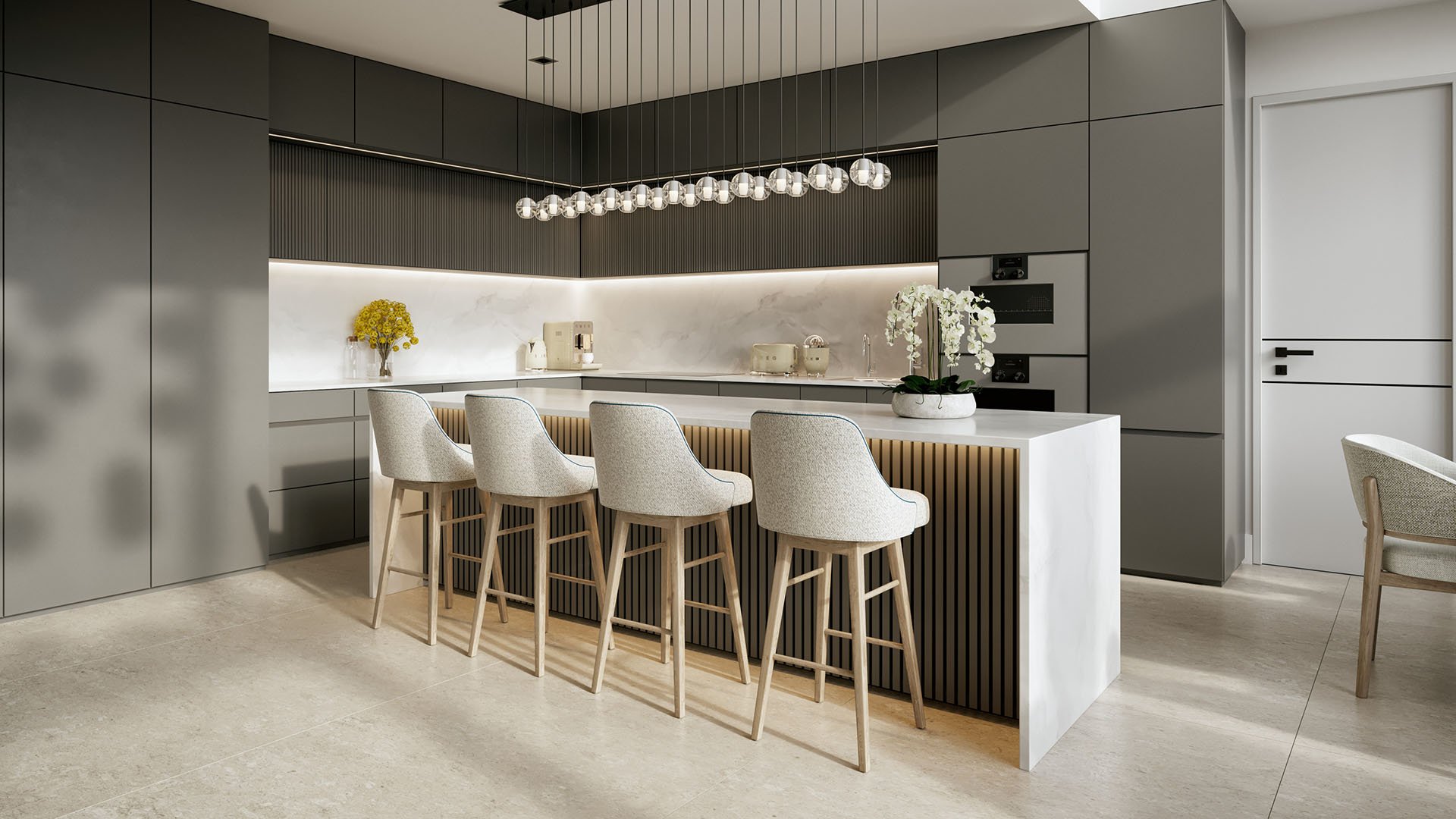
Cabinetry and millwork require classification, not a blanket assurance. The statutory framework distinguishes the unit from transferred personal property; it does not create a separately named millwork warranty with one standard duration.
First, determine whether the item forms part of the unit or qualifies as conveyed personal property. Then examine what the relevant contractual or vendor warranty actually promises. An attractive finish schedule is not a basis for assuming automatic three-year cabinetry coverage.
At the walkthrough, consider documenting alignment, operation, visible finish conditions, and any discrepancy from the agreed specifications. Date photographs and describe each condition precisely. A loose hinge, an uneven door, and a surface blemish are not interchangeable complaints, and recording them does not itself establish coverage.
For buyers also weighing Onda Bay Harbor, the same document-first approach provides a useful basis for comparison without implying that its vendors or warranty terms match Shoma Bay’s.
Plumbing fixtures, lighting, and hardware require the same distinction between items forming part of the unit and conveyed personal property. A single room can contain components requiring different coverage analyses.
Ask for terms addressing the specific condition at issue. A finish complaint, an operational failure, and a possible installation defect may raise different questions about responsibility. Do not assume that a fixture carries lifetime protection or that a product warranty necessarily pays every associated labor cost.
Keep any written contractual protection alongside the statutory analysis. Contractual warranties may supplement statutory rights; the purchase agreement should not be treated as automatically overriding them.
This discipline also helps buyers comparing Shoma Bay with Five Park Miami Beach. A Miami Beach comparison should examine delivered specifications and written obligations separately rather than infer coverage from design language or location.
Roofs, structural components, and qualifying mechanical, electrical, and plumbing elements follow another statutory timetable: three years after construction completion or one year after association turnover, whichever is later, capped at five years after completion.
Mechanical elements serving only one unit are expressly excluded from that extended building-component provision. That exclusion does not mean such equipment has no possible warranty protection. It means this particular provision does not apply.
An individual appliance service request and a possible building-wide construction defect therefore warrant different handling. The latter can involve developer-warranty and association claims. If a condition appears broader than one product, notify the appropriate building representative and seek qualified advice rather than assume an appliance service ticket addresses the entire issue.
Before closing, request the purchase agreement, condominium disclosures, finish schedule, appliance model and serial list, warranty booklets, and written claim-submission procedures. Seek written confirmation of the relevant building-completion, improvement-completion, closing, possession, and association-turnover dates. Record each as it becomes available.
Organize the file by item and responsible contact, not simply by room. Preserve walkthrough photographs, notices, acknowledgments, service records, and repair correspondence. When reporting a condition, describe what happened, when it was observed, and where it is located without prematurely deciding its legal category.
The objective is not to turn ownership into administration. It is to make the first service request precise and distinguish routine maintenance questions from issues requiring developer, association, or legal attention. For a considered purchase, clear documentation is the practical counterpart to a carefully selected interior.
For a discreet perspective on South Florida condominium ownership, explore MILLION.
If branded residences are on your mind — as a home or as an allocation — we would be glad to share what we are seeing, privately.
Begin a quiet conversationUnder the 2024 statutory framework discussed here, the three-year unit warranty begins when the building containing the unit is completed, not when the buyer closes.
No. For appliances qualifying as conveyed personal property, the developer’s implied warranty duration follows the period provided by the manufacturer.
It starts at closing or possession, whichever occurs first. That rule does not establish a new start date for the manufacturer’s separate written warranty.
No blanket conclusion is appropriate. Coverage requires determining whether the cabinetry forms part of the unit or qualifies as conveyed personal property, then reviewing any applicable written warranties.
Lifetime coverage should not be assumed. Classify the item and review its specific written terms, including any distinctions between finish, operation, and labor coverage.
Retain building-completion, improvement-completion, closing, possession, and association-turnover dates as applicable. Different protections use different starting events.
The framework discussed provides coverage through three years after construction completion or one year after association turnover, whichever is later, capped at five years after completion.
Mechanical elements serving only one unit are expressly excluded from that provision. This does not establish that no other warranty protection could apply.
Request the purchase agreement, condominium disclosures, finish schedule, appliance model and serial list, warranty booklets, and written claim procedures. Preserve relevant dates, photographs, notices, and service correspondence.
No. Warranty periods do not provide a complete statement of limitation, repose, or notice requirements, which should be reviewed with Florida condominium counsel under current law.