For Los Angeles sellers buying in Fort Lauderdale, January 1 connects permanent-residence eligibility with a new property assessment. Separate the closing, move, and filing calendars, distinguish Florida portability from California ownership, and budget beyond the seller’s tax bill.
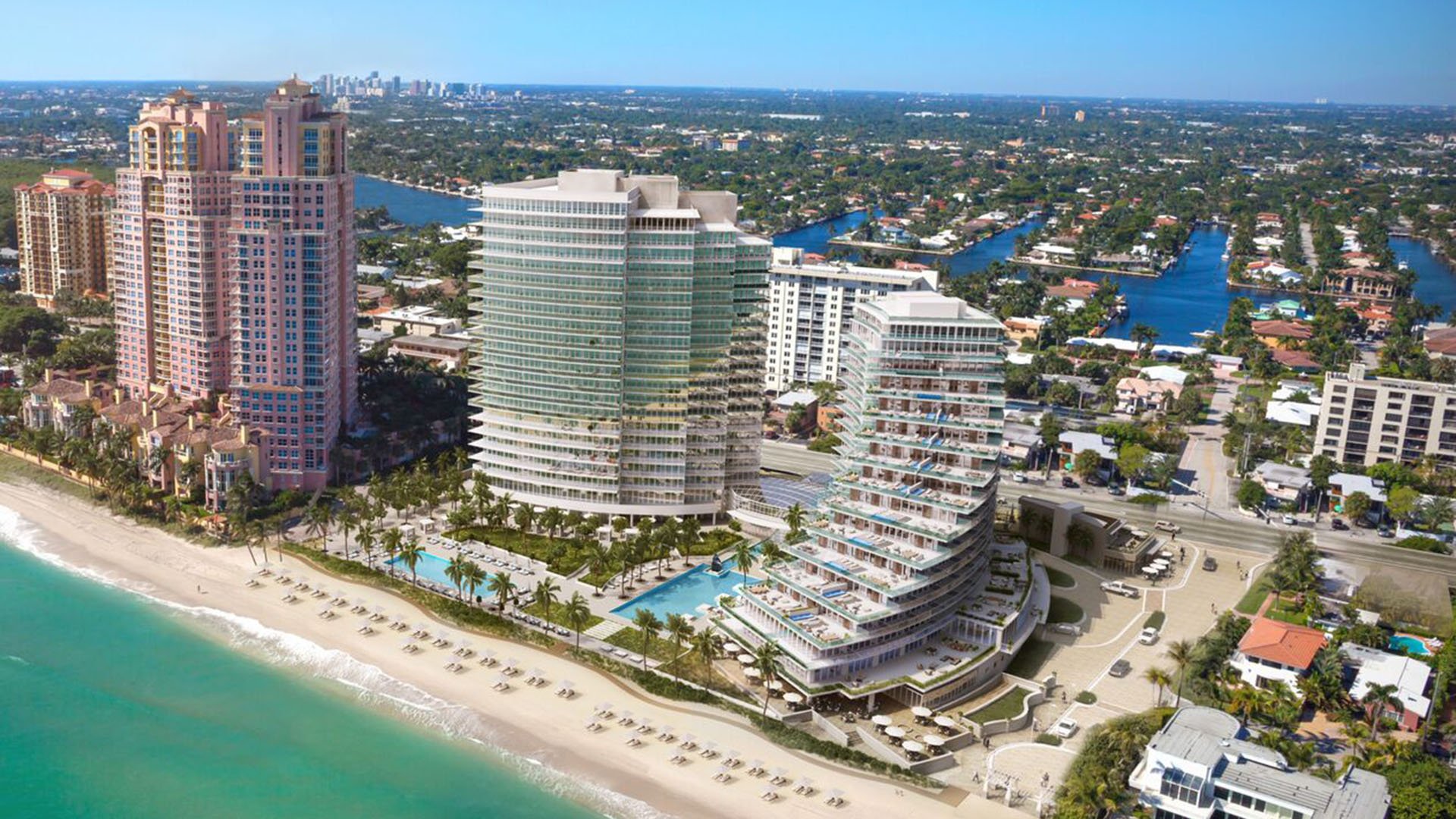
Moving from Los Angeles to Fort Lauderdale is both a residential decision and a matter of timing. The purchase may secure the home you want, but closing alone does not establish your first Florida homestead exemption. You must own the property and have established it as your permanent residence on January 1 of the tax year claimed.
For a buyer considering Four Seasons Hotel & Private Residences Fort Lauderdale, tax planning belongs alongside the residential brief: when can this home genuinely become your permanent residence? A year-end purchase and a completed relocation are not interchangeable.
Keep three milestones separate: acquiring ownership, establishing permanent residence by January 1, and submitting the required applications. The first January 1 after an ordinary purchase also brings reassessment, making it central to both eligibility and the ownership budget.
Selling in Los Angeles does not, by itself, satisfy Florida’s permanent-residence requirement. Nor does intending to relocate after the holidays. Your plan should reflect when ownership and permanent residence will actually coincide; the purchase contract is only part of that timeline.
Three situations clarify the distinction:
Close before year-end and establish permanent residence by January 1: You can qualify for that tax year’s homestead exemption, provided you meet the requirements and file on time.
Close before year-end but establish permanent residence after January 1: The closing alone does not qualify you for that year.
Buy after January 1: Your first exemption generally moves to the following tax year, provided ownership and permanent residence are established on that next January 1.
When evaluating Sixth & Rio Fort Lauderdale, apply the same discipline: distinguish the anticipated purchase date from the date the residence can actually become your permanent home. The project name does not establish your eligibility.
Before committing to a year-end strategy, ask your advisers to review ownership and residency together. An accelerated closing is useful only if the qualification requirements can also be met.
January 1 is the eligibility date, not necessarily the day you must submit the application. Filing afterward can secure that year’s exemption if you qualified on January 1 and meet the applicable deadline.
Broward permits advance filing and offers online homestead applications. For the 2026 exemption specifically, the timely filing period ran from March 4, 2025, through March 2, 2026. Those dates are a year-specific example, not a standing schedule for future purchases.
Build your calendar around the exemption year you intend to claim. Confirm the applicable timely deadline, required supporting materials, and final late-filing cutoff. Advance filing does not replace the January 1 ownership and permanent-residence test.
Late filing should be a contingency, not a strategy. Applications cannot be accepted after the final statutory late-filing deadline, regardless of good cause. Retain confirmation of submission and resolve application questions promptly-sensible safeguards during an interstate move.
Florida portability transfers a Save Our Homes assessment benefit between qualifying Florida homesteads. It does not transfer Los Angeles home equity, sale proceeds, or California property-tax treatment into the assessment of your new residence.
If your ownership history includes only a California home, you have no prior Florida Save Our Homes benefit to transfer. That does not prevent you from qualifying for the Florida homestead exemption. The exemption and portability are related but distinct provisions.
A buyer who previously held a qualifying Florida homestead needs a separate review. Portability follows a three-tax-year timetable tied to the relevant January 1 of the former Florida homestead-not a rolling three years from the new closing.
For example, if January 1, 2026, was your last qualifying Florida homestead date, you must establish the new qualifying homestead by January 1, 2029, to remain within that window. Portability also requires an application. Its timely deadline is March 1 of the year for which the transfer is requested; confirm the applicable filing calendar and keep that deadline distinct from January 1 eligibility.
For an ordinary home purchase, assessed value resets to just, or market, value on the next January 1, and the seller’s exemptions are removed. If the property carried the seller’s homestead exemption and Save Our Homes benefit, those benefits remain for the purchase calendar year only. They do not permanently pass to you.
When considering a resale at Auberge Beach Residences & Spa Fort Lauderdale, treat the existing tax bill as historical information, not a forecast of your long-term obligation. A seller’s capped assessed value may sit well below current market value, so reassessment can substantially increase the taxable base.
Ask for a property-specific estimate that separates market value, assessed value, applicable exemptions, and tax rates. Model your own anticipated eligibility rather than assuming the seller’s position continues.
This distinction matters when comparing residences. Two current tax bills may reflect different ownership histories rather than comparable future costs. The more useful comparison is each property’s estimated post-purchase tax position under your circumstances.
Homestead reduces taxable value; it does not reduce the tax bill dollar-for-dollar. The first $25,000 exemption applies to all property taxes, while the additional homestead exemption excludes school-district taxes. Because the additional non-school exemption is subject to inflation adjustment, a fixed combined ceiling should not be treated as permanent.
Your new Save Our Homes assessment cap follows a different schedule. Homestead can reduce taxable value in the first qualifying year, while the cap on subsequent assessed-value increases begins the following year. The cap is not a promise that the entire tax bill will remain unchanged.
A careful budget therefore distinguishes the purchase year, the first qualifying homestead year, and the following year, when the new cap begins. Calculating actual savings requires property-specific values and tax rates, not a generalized estimate based on purchase price alone.
Before closing, establish your intended first homestead year, test the permanent-residence timeline, and obtain a post-purchase tax estimate. If you have a prior Florida homestead, review portability separately. Then schedule the applications and retain the relevant confirmations.
The objective is not simply to close before December ends. It is to align the home, the move, and the filings so that the first January 1 produces the outcome your circumstances support.
For a considered approach to your Fort Lauderdale residential search, explore MILLION.
If branded residences are on your mind — as a home or as an allocation — we would be glad to share what we are seeing, privately.
Begin a quiet conversationYou must own the property and have established it as your permanent residence on January 1 of the tax year claimed. Closing alone does not satisfy both requirements.
No. The sale does not substitute for owning the Florida property and establishing it as your permanent residence by January 1.
Your first homestead exemption generally moves to the following tax year, provided you meet the ownership and permanent-residence requirements on that next January 1.
Yes, if you qualified on January 1 and meet the applicable filing deadline. Eligibility and application submission are separate milestones.
Broward permits advance filing and offers online applications. Confirm the filing period for your intended exemption year rather than reusing another year’s dates.
No. Florida portability transfers a Save Our Homes assessment benefit between qualifying Florida homesteads, not California property-tax treatment.
Yes. A buyer without a prior Florida homestead can qualify for homestead exemption but has no prior Florida Save Our Homes benefit to transfer.
It follows a three-tax-year timetable tied to the former Florida homestead’s relevant January 1. If January 1, 2026, was your last qualifying date, establish the new qualifying homestead by January 1, 2029, and submit the required application.
Not reliably. An ordinary purchase triggers reassessment on the next January 1, and any seller homestead and Save Our Homes benefits remain only for the purchase calendar year.
No. Homestead can reduce taxable value in the first qualifying year, while the cap on subsequent assessed-value increases begins the following year.