A buyer-focused look at private entertaining at Kempinski Residences Miami Design District and the distinction between Faena House ownership and Faena Hotel event services, with essential questions on capacity, catering, fees, and guest arrivals.
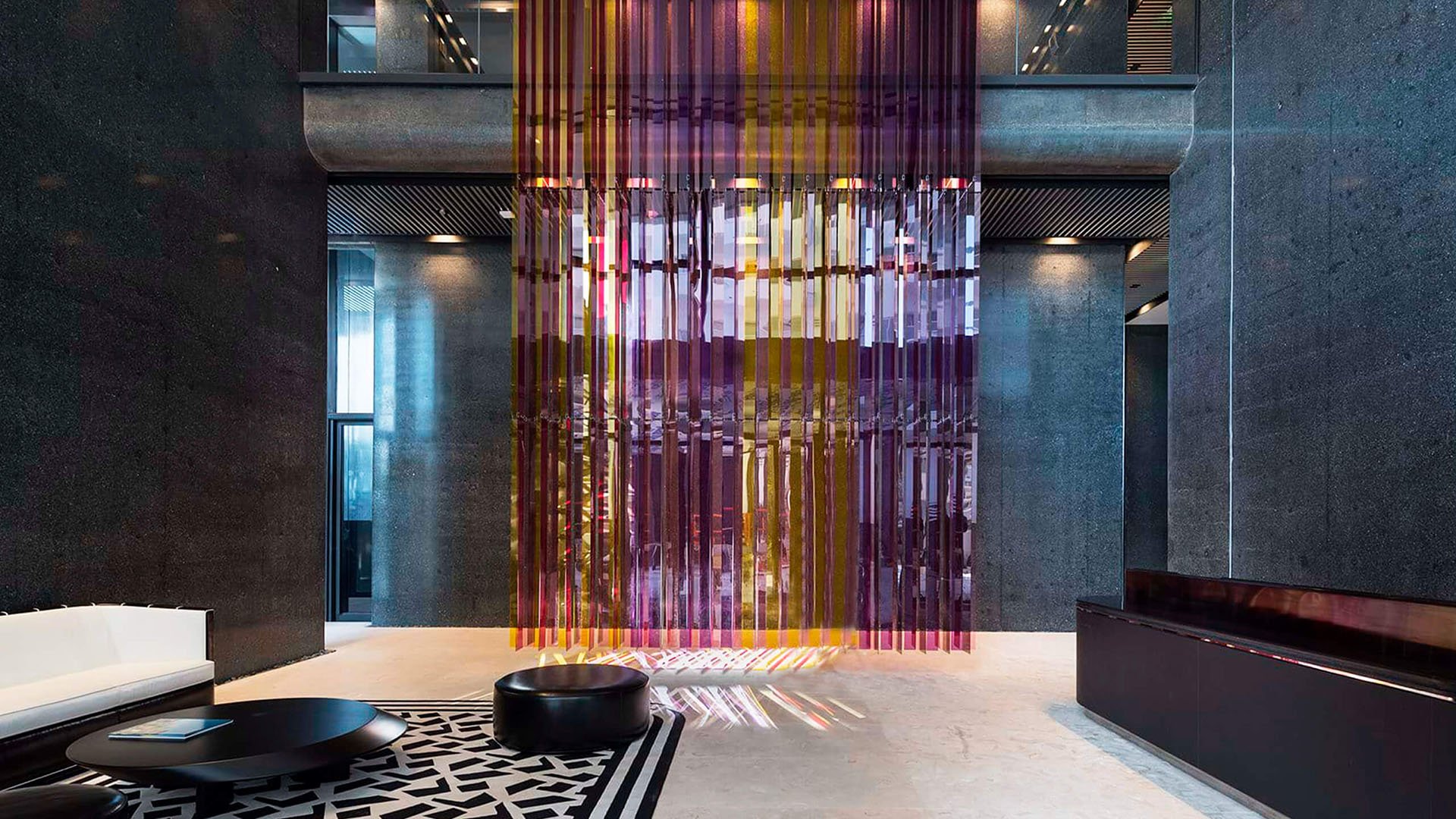
For a buyer who entertains regularly, a private dining room is more than an amenity. It is an extension of the residence-provided the reservation rules, service arrangements, and guest arrival experience support how the owner hosts. The essential ownership question is not simply whether a room exists, but what it takes to use it well.
At Kempinski Residences Miami Design District, the discussion begins with planned residential entertaining spaces. At Faena House Miami Beach, it requires a distinction between condominium ownership and separately contracted hotel events. Neither recurring ownership charges nor an all-in owner-event budget is established here. A credible cost ranking is therefore not possible, but a clear framework for purchase due diligence remains.
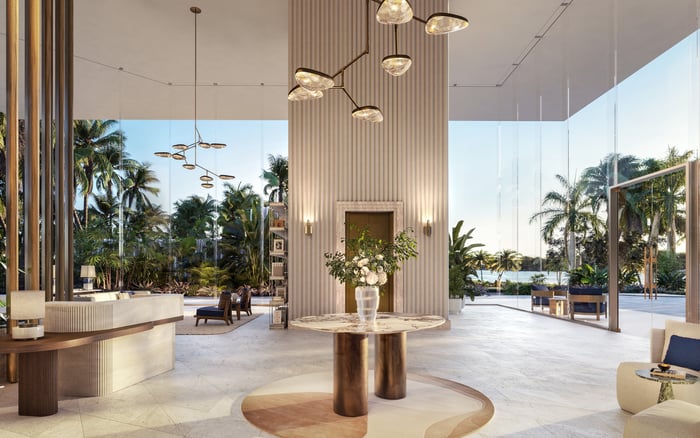
Kempinski’s planned entertaining amenities include a private dining room, chef’s kitchen, catering kitchen, Owner’s Lounge, wine-and-cigar lounge, music room, and TV lounge. An executive boardroom and meeting pods provide additional settings for smaller business-oriented gatherings.
Approximately 70,000 square feet of amenity space is planned, with an elevated third-floor amenity bridge connecting the two towers. That scale describes the broader amenity offering, not the capacity of any individual room. Room-by-room event occupancy limits remain unspecified here.
A buyer should request a capacity schedule tied to actual layouts. Ask separately about seated dinners, standing receptions, furniture arrangements, and the space required for service. Confirm whether staff count toward the applicable occupancy limit and whether adjacent spaces can be reserved together. A dining room and lounge should not be treated as a single event venue without written approval.
Availability deserves equal attention. Ask about booking priority, reservation frequency, advance notice, cancellation terms, and whether exclusive use limits access for other residents. These are diligence questions, not established Kempinski restrictions. The answers determine whether the amenity can accommodate a recurring hosting calendar rather than an occasional celebration.
Kempinski’s planned chef’s kitchen and catering kitchen suggest an entertaining-focused design, but they do not establish permission to bring in a preferred chef. Event booking fees, minimum spends, alcohol rules, and outside-caterer permissions remain unspecified here.
Before assigning value to those spaces, request the catering policy and a complete fee schedule. Clarify who may operate each kitchen, whether approved vendors are required, and what insurance documentation is necessary. Ask whether staffing, cleaning, equipment, deliveries, and waste removal are included or charged separately.
For buyers considering Setai Residences Miami Beach alongside these properties, the same questions provide a useful comparison framework without assuming equivalent kitchens, access rights, or service arrangements. Compare written permissions and itemized quotations rather than treating branding as a guarantee of catering flexibility.
Faena Miami Beach operates a dedicated Gather events program encompassing planning, event design, menu curation, and on-the-ground execution. Those capabilities belong to the hotel-event offering. They do not establish automatic access, preferential pricing, or equivalent event privileges for Faena House condominium owners.
The first question is contractual: which entity would host the proposed event and enter into the contract? A gathering governed by condominium rules and a function booked through the hotel are not interchangeable. Ask for any owner benefits in writing, including their scope, booking conditions, and exclusions.
La Cava provides a concrete hotel-venue reference. It is offered for private wine tastings, meetings, and small dinners, with a capacity of 1-26 occupants. That range is not a promise of a seated dinner for 26 guests. Confirm the proposed seating plan, service clearances, and whether staff count toward the occupancy limit before settling the guest list.
Under Faena’s wedding terms, food and beverages served in public meeting rooms must be supplied and prepared by Faena Hotel Miami Beach. Food and beverages generally may not be removed from the hotel banquet premises. These are hotel-event conditions, not evidence of catering rules inside Faena House residences or condominium common areas.
The 2025 wedding terms also require a wedding planner, with at least third-party day-of-event coordination. Potential ancillary charges include cake cutting for externally supplied cakes, a labor fee for fewer than 25 guests, and a bathroom-attendant fee. These historical terms identify questions to ask; they are not a current quotation or a universal fee schedule for every private dinner.
Request a current proposal for the precise event format. It should distinguish venue charges, food-and-beverage minimums, service charges, applicable taxes, staffing, outside-vendor costs, and any supplemental security. For each conditional charge, ask what triggers it. Do not assume that a smaller guest count eliminates labor-related costs.
For either property, keep recurring ownership expenses separate from event-specific expenditure. Ask which services, if any, are included in regular charges and which costs arise only when hosting. Identify refundable deposits separately from nonrefundable fees, with explicit conditions for their return.
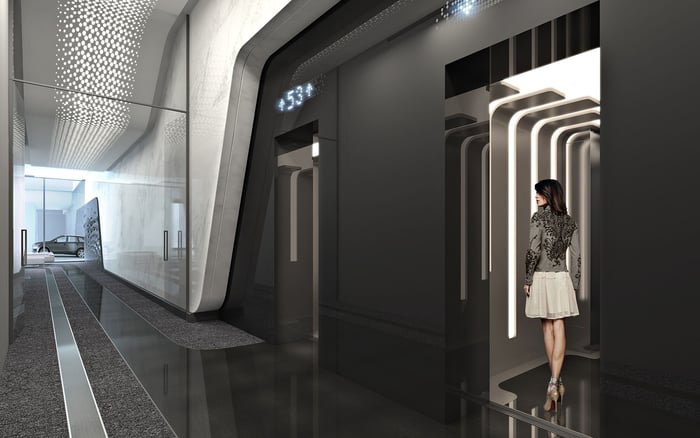
Kempinski’s planned 24-hour concierge service, with concierge staff trained by Kempinski, does not establish an event-specific guest-screening protocol. The practical questions concern guest-list submission, identification checks, unannounced arrivals, vendor entry, valet coordination, and access from the entrance to the reserved space.
Under Faena’s 2025 wedding terms, security in the event or function space is not a standard inclusion. When an event’s size or nature requires security, the client must provide personnel at the client’s expense and subject to hotel approval. Confirm whether those provisions apply to a proposed booking today.
Neither point establishes residential lobby screening, elevator controls, or condominium arrival procedures. Request a written plan assigning responsibility at each stage. A discreet arrival depends on clear instructions for guests and vendors, not simply the presence of a concierge or event attendant.
Before purchase, assemble the applicable residential rules, any hotel-owner privilege agreement, room capacities, reservation policies, vendor requirements, fee schedules, and arrival procedures. Where an arrangement remains planned, identify which terms are final and which await confirmation. Keep condominium permissions and hotel contracts clearly separated.
Then test one realistic occasion against those documents: the guest count, preferred caterer, service hours, and desired privacy. This turns an appealing amenity into an ownership benefit that can be assessed. The strongest proposition is not necessarily the largest entertaining suite, but the one whose permitted use and total cost match the owner’s expectations.
For a considered approach to South Florida ownership and private entertaining, explore MILLION.
If branded residences are on your mind — as a home or as an allocation — we would be glad to share what we are seeing, privately.
Begin a quiet conversationPlanned spaces include a private dining room, chef’s kitchen, catering kitchen, Owner’s Lounge, wine-and-cigar lounge, music room, and TV lounge. An executive boardroom and meeting pods are also planned.
No. The figure describes the broader amenity offering, while room-specific event occupancy limits remain unspecified.
Outside-caterer permissions are not established in the reviewed amenity details. Buyers should obtain written kitchen-use, vendor-approval, and insurance requirements.
The available details do not establish which event services, if any, are included in recurring charges. Request separate schedules for ownership expenses and event-specific fees.
Automatic access, preferential pricing, and equivalent event privileges are not established by the hotel-event offering. Any owner benefits should be confirmed in writing.
La Cava has a published capacity of 1–26 occupants. Confirm the intended layout rather than assuming that 26 occupants means 26 seated dinner guests.
The wedding terms require food and beverages in public meeting rooms to be supplied and prepared by Faena Hotel Miami Beach. These conditions do not establish Faena House condominium rules.
Potential charges include cake cutting for externally supplied cakes, labor for fewer than 25 guests, and a bathroom attendant. Those historical terms are not a guaranteed current quotation.
The 2025 terms do not include event-space security as standard. When required by the event’s size or nature, personnel must be supplied at the client’s expense and approved by the hotel.
Request written procedures for guest lists, identification checks, vendor entry, valet coordination, and elevator access. Concierge availability and hotel event-space security terms do not establish residential arrival controls.