A seasonal ownership framework for evaluating service charges, marina access, carrying costs, absentee care, delivery timing, and brand-license disclosures.
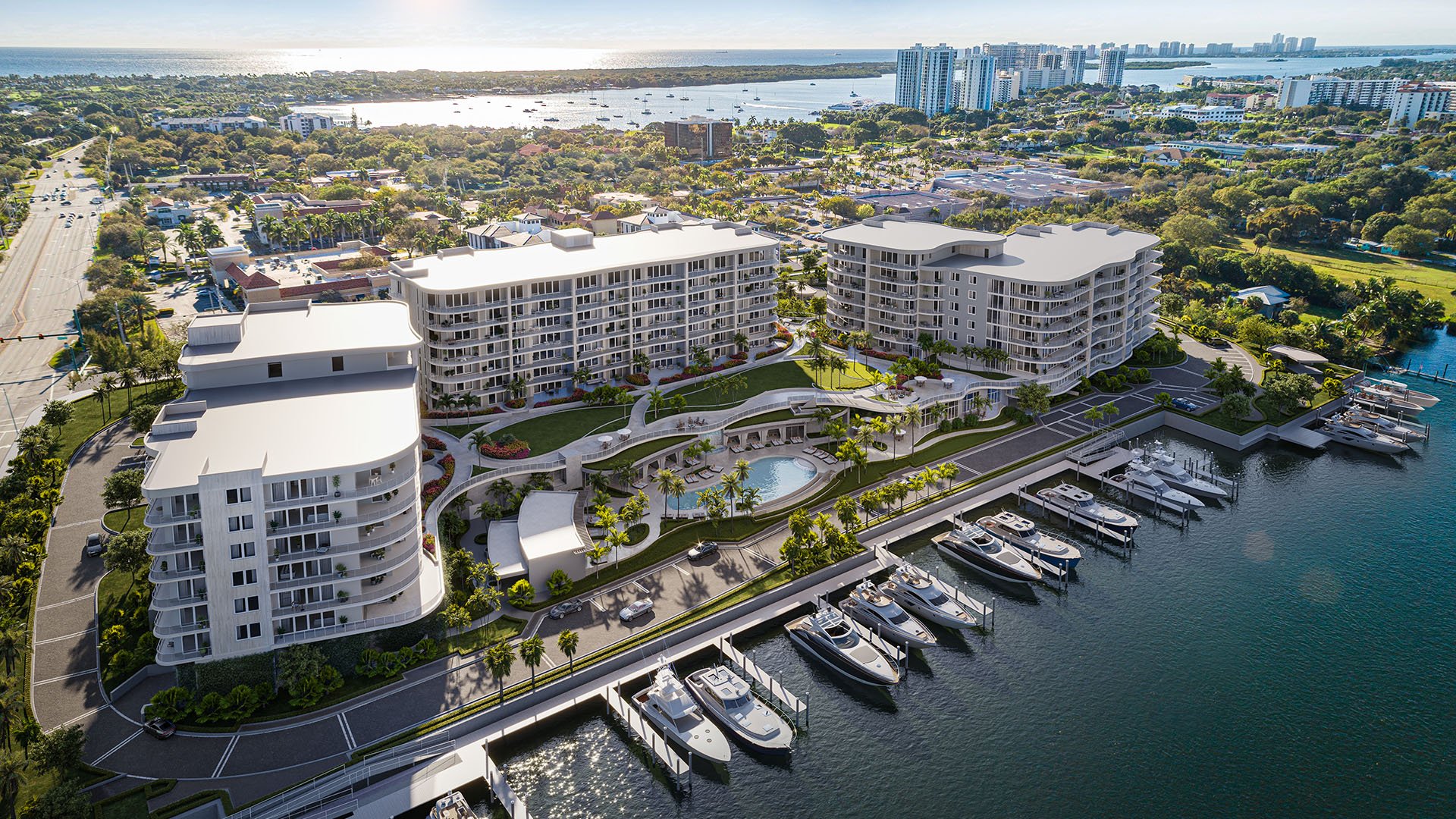
A seasonal purchase at The Ritz-Carlton Residences® Palm Beach Gardens should begin with the documents governing ownership, operations, services, and brand use. Ask qualified counsel to review the declaration, bylaws, purchase agreement, management agreement, budget, insurance information, reserve materials, and brand-license disclosures before relying on a projected lifestyle.
The central question is whether the legal and operating structure supports the intended routine. Marketing language should not substitute for written terms covering owner rights, management responsibilities, service availability, charges, remedies, and future obligations.
Create a line-by-line annual model that addresses association charges, property taxes, unit insurance, utilities, interior upkeep, terrace care, and any separately billed services relevant to the residence. Use current documents and written fee schedules rather than estimates drawn from another property.
Run more than one scenario. A base case can reflect expected use, while a stressed case can test higher operating expenses, reserve contributions, insurance costs, special assessments, or additional maintenance. Compare the result with the number of nights the owner realistically expects to occupy the residence.
Request a written distinction between services covered by association charges and services billed separately. The review should address housekeeping, personal shopping, in-residence dining, maintenance coordination, vendor supervision, pre-arrival preparation, and any other service important to seasonal use.
Ask who receives requests, how far in advance they must be submitted, whether availability changes during peak periods, and what cancellation or guest rules apply. A service is useful only when its scope, timing, and cost fit the owner's travel pattern.
A lock-and-leave routine depends on procedures that continue while the owner is away. Confirm access permissions, inspection schedules, climate monitoring, leak response, vendor entry, maintenance reporting, storm preparation, and post-storm checks in writing.
Assign responsibility for each recurring task and identify the corresponding fee. The plan should also explain how urgent decisions are authorized and documented when the owner cannot be reached.
If marina use matters, review it as a distinct operating decision rather than assuming it follows automatically from residential ownership. Confirm whether access is deeded, assigned, licensed, or leased, and examine availability, term, renewal rights, transfer restrictions, utilities, crew procedures, storm protocols, and recurring charges.
The owner's vessel requirements and seasonal calendar should be tested against the written marina terms. If the documents do not provide dependable access on acceptable terms, the ownership model should include an alternative berthing plan.
Useful comparisons focus on documents, recurring costs, residence stewardship, service structures, and actual seasonal usability. Relevant Palm Beach County reference points include The Ritz-Carlton Residences® West Palm Beach, Mandarin Oriental Residences, West Palm Beach, and Glass House Boca Raton.
The comparison should use current materials for each project. Avoid treating a shared market, hospitality positioning, or waterfront orientation as evidence that fees, rights, services, or operating procedures are equivalent.
Before assigning value to a future service or amenity, verify its status, expected availability, operating rules, and treatment in the controlling documents. Ask how closing timing, incomplete work, punch-list activity, staffing, and phased openings would affect the first intended season.
Maintain flexibility around travel plans until actual operating conditions are known. The financial model should distinguish between features available at closing and features that remain subject to completion, staffing, reservations, or separate charges.
A disciplined decision model should connect every expected benefit to a document, procedure, responsible party, and cost. Counsel can address legal terms, while insurance, tax, marine, and property-management specialists can evaluate issues within their respective fields.
The final test is practical: determine whether the residence can be prepared, occupied, maintained, and secured according to the owner's real calendar without depending on unwritten assumptions.
What should be reviewed before signing a purchase agreement? Review the governing documents, purchase agreement, budget, insurance information, reserve materials, management terms, and brand-license disclosures with qualified advisers.
How should seasonal carrying costs be modeled? Build an annual line-item budget and compare it with realistic occupancy rather than an idealized season.
Why separate included and à-la-carte services? The distinction helps prevent optional requests from being mistaken for services covered by regular association charges.
What should an absentee-care plan cover? It should address access, inspections, climate and leak response, vendor entry, maintenance reporting, and storm procedures.
How should marina access be evaluated? Review the written form of access, availability, term, renewal rights, restrictions, operating procedures, and charges.
Should planned amenities receive full value in the purchase model? Only after their status, availability, rules, and costs have been verified in current written materials.
Why run a stressed-cost scenario? It shows how the ownership decision may respond to higher expenses, reserve needs, assessments, or additional maintenance.
What makes a useful project comparison? Compare current documents, recurring obligations, service structures, stewardship requirements, and seasonal usability.
Who should review specialized ownership issues? Use qualified legal, tax, insurance, marine, and property-management advisers for matters within their expertise.
What is the final test for a seamless routine? Every recurring task should have a documented procedure, responsible party, timing expectation, and cost.
When you're ready to tour or underwrite the options, connect with MILLION.
If branded residences are on your mind — as a home or as an allocation — we would be glad to share what we are seeing, privately.
Begin a quiet conversation